
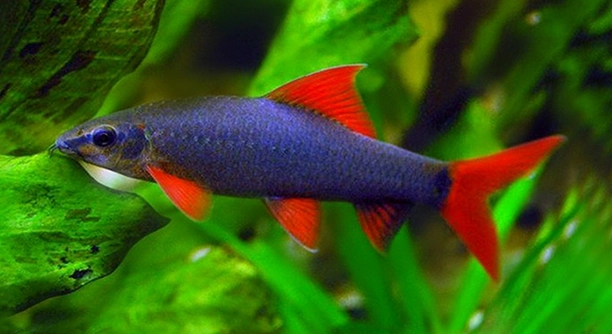
Is your rainbow shark swimming in an unusual way, making you worry about its health? These lively fish usually glide smoothly, but changes in their swimming patterns can signal underlying problems. Recognizing the causes early is important for their well-being.
Rainbow sharks often swim oddly due to factors like poor water quality, inadequate tank conditions, stress, illness, or injury. Addressing these issues through proper tank maintenance, diet adjustments, and medical care can restore normal swimming behavior efficiently.
Knowing what affects your rainbow shark’s movement helps maintain a healthy aquarium. The following fixes will guide you in keeping your fish comfortable and active.
Check Water Quality and Parameters
Water quality directly affects your rainbow shark’s swimming behavior. Poor water conditions can cause stress, leading to unusual movements. Make sure to test ammonia, nitrite, nitrate, pH, and temperature regularly. Ideal parameters include a pH between 6.5 and 7.5 and temperature around 75-79°F (24-26°C). Perform regular water changes to reduce toxins and maintain stability. Overfeeding can also pollute the tank, so feed your fish only what it can consume in a few minutes. Use a reliable water testing kit to track levels and adjust accordingly. A clean and balanced tank supports healthy fish and encourages natural swimming patterns. If you notice any spikes or imbalances, act quickly to avoid long-term harm. A consistent routine helps your rainbow shark stay comfortable and reduces stress-related behaviors.
Proper water conditions provide a stable environment. Your fish will swim more naturally when water quality is maintained.
Maintaining water quality means regular monitoring and adjustments. Change 20-30% of the water weekly to remove harmful substances. Avoid sudden changes in temperature or pH, as rainbow sharks are sensitive. Clean the substrate and filters regularly to prevent buildup. Use dechlorinated water to avoid damaging your fish’s delicate gills. Keeping the tank stable prevents shock and illness. Consider adding live plants to improve water quality and oxygen levels. Avoid overcrowding the tank, as this increases waste and stress. Ensuring good water quality is one of the simplest yet most effective ways to support your rainbow shark’s health and normal swimming. Consistency in care promotes longevity and vitality in your aquarium fish.
Provide a Proper Diet
Offering the right diet helps your rainbow shark stay healthy and swim well. These fish are omnivores, so include both plant matter and protein in their meals. Feed high-quality sinking pellets, algae wafers, and occasional live or frozen foods like bloodworms or brine shrimp. Avoid overfeeding, as leftover food can pollute the tank and affect your fish’s behavior. A balanced diet strengthens their immune system, helping them resist disease and injury.
Nutrition influences activity and overall well-being.
Feeding your rainbow shark appropriately requires variety and moderation. Too many protein-rich foods can cause digestive issues, while too few can weaken the fish. Feed small portions twice daily and remove uneaten food after 5 minutes. Supplement their diet with fresh vegetables such as blanched zucchini or spinach occasionally. Good nutrition supports muscle strength, which is necessary for smooth swimming. Observe your fish’s appetite and adjust feeding amounts accordingly. Proper diet works alongside tank maintenance to ensure your rainbow shark remains active and vibrant. Keeping their diet balanced is a key step in preventing odd swimming patterns and promoting lasting health.
Reduce Stress in the Tank
Stress affects your rainbow shark’s swimming behavior and health. Common causes include overcrowding, sudden changes, and aggressive tank mates. Keep the environment calm and stable to help your fish feel secure.
Create hiding spots using decorations or plants to reduce stress. Avoid placing the tank in noisy or high-traffic areas. Maintain consistent lighting and temperature to prevent sudden shocks. Observe your fish for signs of bullying or aggression from other fish and separate if needed. Overcrowding leads to competition for food and space, so keep the population appropriate for the tank size. Providing a peaceful environment supports your rainbow shark’s natural swimming and reduces erratic behavior.
Regularly check for stress signs like faded colors, clamped fins, or unusual swimming. Acting quickly helps prevent illness caused by prolonged stress. A calm tank encourages your fish to swim normally and stay healthy.
Monitor for Illness and Injury
Illness or injury can cause a rainbow shark to swim oddly. Look for symptoms such as lethargy, clamped fins, visible wounds, or abnormal body shape. Early detection is essential for effective treatment.
Quarantine any new fish before adding them to the tank to prevent disease spread. If you notice signs of illness, isolate the affected fish immediately and consult a veterinarian or aquarium specialist. Use appropriate medications based on the diagnosis, following instructions carefully. Injuries may require cleaning the affected area and improving water quality to speed healing. Poor water conditions can worsen illness, so maintain a clean tank. Prompt attention to illness or injury can restore normal swimming and prevent complications.
Maintain Proper Tank Size
A tank that is too small restricts your rainbow shark’s movement and causes stress. Provide at least a 30-gallon tank for one adult to ensure enough swimming space. Crowded conditions lead to erratic behavior and poor health.
Larger tanks help maintain water quality and reduce aggression. Space allows your fish to explore and swim naturally without feeling threatened or confined.
Clean the Tank Regularly
Regular cleaning prevents waste buildup that can harm your rainbow shark. Remove uneaten food, clean the substrate, and change 20-30% of the water weekly. This keeps the environment healthy and stable for your fish’s comfort and normal swimming.
Use Compatible Tank Mates
Choose peaceful tank mates to avoid stress and aggression. Rainbow sharks can become nervous around aggressive or overly active fish. Compatible companions create a calm environment, promoting regular swimming patterns and reducing conflicts.
Observe Swimming Patterns
Watching your fish closely helps identify early signs of issues. Note any changes in speed, direction, or fin movement. Early observation can prevent serious health problems and maintain your rainbow shark’s well-being.
FAQ
Why is my rainbow shark swimming upside down?
Swimming upside down is often a sign of swim bladder problems or poor water quality. The swim bladder helps the fish control buoyancy. If it’s damaged or affected by infection, your fish may struggle to stay upright. Checking water parameters and improving tank conditions can help. Sometimes, overfeeding or constipation also causes this issue. Feeding smaller portions and including fiber-rich foods like peas can reduce swim bladder problems. If symptoms persist, consult a vet experienced with fish for proper diagnosis and treatment.
What should I do if my rainbow shark hides all the time?
Hiding is a common response to stress or illness. It can mean the fish feels unsafe due to aggressive tank mates or poor water quality. Providing enough hiding spots with plants or decorations can reduce anxiety. Make sure the tank environment is calm and stable. Monitor water parameters and ensure the fish is eating well. If hiding continues alongside other signs like loss of appetite or faded colors, the fish may be sick and need medical attention.
Can my rainbow shark live with other fish?
Yes, but careful selection is crucial. Rainbow sharks are semi-aggressive and territorial, especially in small tanks. Choose peaceful fish that occupy different tank levels, like tetras or gouramis. Avoid slow-moving or long-finned species, which may be bullied. A large tank with plenty of space and hiding places reduces aggression. Observing interactions regularly helps catch any bullying early. If aggression is severe, separating the fish is necessary to keep everyone safe.
How often should I change the water?
Changing 20-30% of the water weekly keeps the tank clean and healthy. This removes harmful chemicals and waste buildup. Frequent water changes stabilize water parameters, reducing stress for your rainbow shark. Use dechlorinated water at the same temperature as the tank to avoid shock. Over time, consistent water changes improve fish health and reduce odd swimming behavior caused by poor conditions.
What are signs my rainbow shark is sick?
Common signs include erratic swimming, loss of appetite, faded colors, clamped fins, spots, or wounds. Lethargy and hiding more than usual are also warning signs. If you notice any of these, test the water quality immediately and consider isolating the fish. Early treatment improves chances of recovery. Maintain good tank hygiene and a balanced diet to prevent many diseases.
Can diet cause swimming problems?
Yes. Overfeeding or feeding poor-quality food can cause constipation or swim bladder issues, affecting swimming. Provide a balanced diet with sinking pellets, algae wafers, and occasional live or frozen foods. Avoid excess protein and remove uneaten food quickly. Feeding small amounts twice a day helps digestion and prevents problems. A healthy diet supports your fish’s energy and smooth swimming.
How can I treat fin damage or injury?
Isolate the injured fish to prevent further harm. Keep water clean and monitor for infection signs like redness or swelling. Use aquarium salt or recommended medications to promote healing. Ensure the fish has enough space and gentle tank mates during recovery. Improving water quality and nutrition speeds healing and helps your rainbow shark swim normally again.
What tank size is best for rainbow sharks?
A minimum of 30 gallons is recommended for one rainbow shark. Larger tanks reduce territorial behavior and provide enough space for swimming. More space helps maintain water quality and lowers stress. Overcrowding causes erratic movements and aggression. Providing sufficient room promotes natural behavior and a healthier fish.
Is water temperature important?
Yes. Rainbow sharks thrive in temperatures between 75-79°F (24-26°C). Sudden temperature changes can stress them and affect swimming. Use a reliable heater and thermometer to keep the tank stable. Avoid placing the tank near drafts or heat sources. Consistent temperature helps maintain your fish’s immune system and activity levels.
Why does my rainbow shark suddenly swim sideways?
Swimming sideways usually indicates swim bladder issues or injury. It might also result from poor water conditions or bacterial infections. Check water quality and observe for other symptoms like bloating or lethargy. Adjust diet and maintain cleanliness to support recovery. Persistent problems require veterinary care to diagnose and treat underlying causes.
Final Thoughts
Keeping a rainbow shark healthy and swimming normally requires attention to several important factors. Water quality is the foundation of a good aquarium environment. Regularly testing the water and making necessary adjustments helps prevent stress and illness that can affect swimming behavior. It is also essential to maintain a clean tank by performing water changes and removing waste. Consistency in tank maintenance creates a stable home for your fish, which encourages natural and comfortable movement. Simple habits like avoiding overfeeding and monitoring water temperature can make a big difference in your rainbow shark’s health.
Diet plays a key role in supporting your fish’s well-being. Feeding a balanced variety of foods suited to rainbow sharks helps maintain energy and muscle strength. Overfeeding or poor-quality food can lead to digestive issues or swim bladder problems, which cause swimming difficulties. Providing small, measured portions twice daily and including both plant-based and protein-rich foods supports digestion and immune health. Watching how your fish reacts to its diet can help you adjust feeding practices to prevent problems before they arise.
Stress is another major factor that can cause unusual swimming patterns. Factors like overcrowding, aggressive tank mates, and sudden changes in the environment create anxiety for your rainbow shark. Providing enough space, hiding spots, and a calm atmosphere helps reduce stress levels. Observing your fish regularly allows you to notice early signs of illness or discomfort. Promptly addressing any health issues or injuries keeps your rainbow shark active and comfortable. By combining proper care, a balanced diet, and a peaceful environment, you can enjoy a thriving fish with smooth, natural swimming behavior for years to come.

Hello,
If you enjoy the content that we create, please consider saying a "Thank You!" by leaving a tip.
Every little bit helps us continue crafting quality advice that supports the health, happiness, and well-being of pets around the world, for pets of all shapes, sizes, and species.
We really appreciate the kindness and support that you show us!