
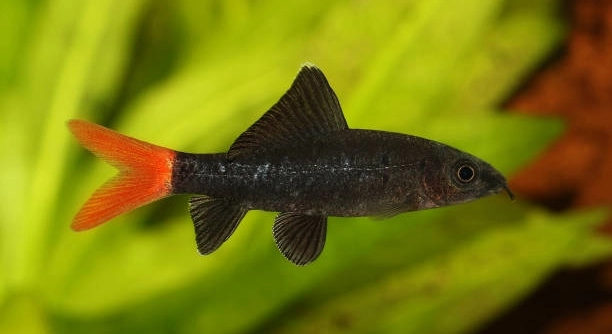
Keeping a Rainbow Shark tank clean and safe is important for the fish’s health and well-being. Proper maintenance helps prevent disease and ensures the tank environment stays balanced. Many owners want simple ways to care for their aquatic pets.
Maintaining a clean tank involves regular water changes, efficient filtration, and monitoring water quality parameters such as pH, ammonia, nitrite, and nitrate levels. Providing a balanced diet and avoiding overfeeding also contribute to the tank’s stability and the fish’s health.
Following these practical steps can protect your Rainbow Shark from stress and illness. This guide offers useful tips to create a healthy and safe home for your fish.
Regular Water Changes Are Essential
Performing regular water changes is one of the most effective ways to keep your Rainbow Shark tank clean. Changing about 20-30% of the water every week helps remove waste, excess nutrients, and toxins that build up over time. This also replenishes essential minerals and maintains a stable environment for your fish. When changing the water, use a siphon to remove debris from the substrate without disturbing the fish too much. Make sure the new water is treated and at the same temperature as the tank water to avoid shocking your Rainbow Shark. Consistent water changes reduce the chances of harmful algae growth and keep the water clear, which benefits both the fish and plants. This simple step supports overall tank health and prevents many common problems associated with poor water quality.
Water changes keep the tank stable and the fish healthy. Avoid sudden, large changes to prevent stress in your Rainbow Shark.
Cleaning the tank water regularly prevents toxins from reaching dangerous levels. It helps maintain clear water, reducing algae buildup and improving oxygen levels. This also supports beneficial bacteria in the filter that break down fish waste. Over time, uneaten food and fish waste produce ammonia and nitrites that are harmful to fish. Water changes dilute these substances, creating a safer environment. Proper water replacement keeps the fish active and stress-free. Remember to use a water conditioner to remove chlorine and chloramine before adding new water. Gradual, regular water changes are easier on your fish and help maintain balance in the tank ecosystem. This care routine is fundamental to a thriving Rainbow Shark tank.
Efficient Filtration Supports Water Quality
A reliable filter is necessary for a clean and safe tank. Filters remove physical debris and harmful chemicals while promoting biological filtration, which supports beneficial bacteria growth.
Choose a filter suitable for your tank size and Rainbow Shark’s needs. Filters with mechanical, chemical, and biological media work best. Mechanical media traps particles, chemical media removes impurities, and biological media hosts bacteria that break down toxic substances. Clean the filter media carefully to avoid killing helpful bacteria, and replace it only when necessary. A well-maintained filter reduces waste buildup and helps keep the water clear. Proper filtration supports stable water parameters and reduces the effort needed for frequent water changes, ensuring a healthier environment for your fish.
Monitor Water Parameters Regularly
Checking water parameters helps keep your Rainbow Shark healthy. Testing for ammonia, nitrite, nitrate, and pH levels shows if the tank environment is safe or needs adjustment.
Maintaining stable water parameters is vital. Ammonia and nitrite should always be at zero, as they are toxic to fish even in small amounts. Nitrate should be kept below 20-40 ppm to avoid stress or disease. pH levels for Rainbow Sharks typically range between 6.5 and 7.5. Sudden shifts in these values can harm your fish, so regular testing allows you to catch problems early. Use reliable test kits and keep a log of your results to track changes over time.
If you notice dangerous levels, partial water changes and adjusting filtration often resolve the issue. Balancing parameters prevents long-term damage and promotes a safe habitat. Consistency is key to reducing stress and encouraging natural behavior in your Rainbow Shark.
Avoid Overfeeding Your Rainbow Shark
Feeding the right amount is crucial to tank health. Overfeeding causes leftover food to decay, polluting the water.
Excess food leads to higher waste levels, which increase ammonia and nitrite in the tank. This can cause poor water quality and harm your fish. Feed only what your Rainbow Shark can consume in a few minutes, usually once or twice daily. Choose a balanced diet including sinking pellets, algae wafers, and occasional live or frozen foods. Monitor feeding habits and adjust portions if food remains uneaten. Keeping feeding under control helps maintain water clarity and reduces the workload on your filter. It also supports your fish’s digestion and overall health, preventing obesity and related illnesses.
Maintain Proper Tank Temperature
Rainbow Sharks thrive in temperatures between 74°F and 80°F. Keeping the temperature stable supports their health and activity.
Use a reliable heater with a thermostat to avoid fluctuations. Sudden changes can stress your fish and make them vulnerable to illness.
Provide Hiding Spots and Decorations
Adding plants, rocks, and caves gives your Rainbow Shark places to hide and feel secure. This reduces stress and encourages natural behavior. Decorations also break up open space, limiting territorial aggression between fish and helping maintain peace in the tank.
Avoid Overstocking Your Tank
Overcrowding causes poor water quality and increases stress. Keep the number of fish appropriate for your tank size. This ensures enough oxygen, reduces waste buildup, and allows each fish enough space to swim comfortably.
Clean the Substrate Regularly
Waste and uneaten food collect in the substrate. Vacuuming the gravel or sand during water changes helps prevent harmful bacteria growth and keeps the tank clean.
FAQ
How often should I change the water in my Rainbow Shark tank?
Water changes should be done weekly, replacing about 20-30% of the tank water. This routine keeps toxins like ammonia and nitrites low and maintains good water quality. Consistency helps avoid stress and illness in your Rainbow Shark.
What is the best temperature for a Rainbow Shark?
Rainbow Sharks do well between 74°F and 80°F. Use a heater with a thermostat to maintain this range. Sudden temperature changes can weaken your fish’s immune system, so keeping it stable is important.
How can I tell if my Rainbow Shark is stressed?
Signs of stress include erratic swimming, loss of color, hiding excessively, or lack of appetite. These behaviors often indicate poor water quality or an uncomfortable environment. Monitoring water parameters and tank conditions can help reduce stress.
Can I keep Rainbow Sharks with other fish?
Yes, but avoid aggressive or slow-moving species. Rainbow Sharks can be territorial, especially in smaller tanks. Provide hiding spots and enough space to reduce conflicts. Suitable tank mates include fast swimmers or bottom dwellers that stay out of the shark’s way.
What should I feed my Rainbow Shark?
Feed a balanced diet of sinking pellets, algae wafers, and occasional live or frozen foods like bloodworms or brine shrimp. Feed only what they can finish in a few minutes to prevent leftover food from polluting the tank.
Why is my Rainbow Shark hiding so much?
Hiding is normal, especially during the day since they are more active at night. However, excessive hiding could mean stress from poor water conditions, aggressive tank mates, or inadequate hiding places. Check the tank’s environment and water quality.
How do I clean the substrate without disturbing my fish?
Use a gravel vacuum during water changes to gently remove debris from the substrate. Do this carefully to avoid stirring up too much dirt at once. Cleaning the substrate regularly helps prevent toxin buildup and keeps the tank healthy.
Is a filter necessary for a Rainbow Shark tank?
Yes, a good filter is essential. It removes waste, toxins, and debris while supporting beneficial bacteria that break down harmful substances. Choose a filter appropriate for your tank size and maintain it regularly.
How do I prevent algae growth in my tank?
Control algae by keeping water clean, avoiding overfeeding, and limiting light exposure to about 8-10 hours a day. Adding live plants can also compete with algae for nutrients. Regular maintenance keeps algae under control.
What should I do if my Rainbow Shark shows signs of illness?
If you notice unusual behavior or physical symptoms like spots, frayed fins, or lethargy, test the water first. Poor water quality is often the cause. If parameters are fine, consult a specialist or consider quarantine and treatment with appropriate medications.
Can Rainbow Sharks live in small tanks?
Rainbow Sharks need at least a 30-gallon tank because they grow fairly large and are active swimmers. Smaller tanks lead to poor water quality and territorial aggression. Providing enough space helps keep them healthy and reduces stress.
How do I introduce a new Rainbow Shark to my tank?
Quarantine the new fish for a few weeks to avoid introducing disease. Slowly acclimate it to the tank water temperature and chemistry before release. Monitor interactions closely to ensure peaceful coexistence with existing fish.
What causes cloudy water in my Rainbow Shark tank?
Cloudiness can result from overfeeding, inadequate filtration, or bacterial blooms. Performing regular water changes, cleaning the filter, and avoiding excess food helps clear the water quickly.
How often should I clean the filter?
Clean the filter media monthly or as needed, but avoid washing all media at once. Rinse it gently in tank water to preserve beneficial bacteria. Proper maintenance keeps the filter working effectively.
Are live plants beneficial for a Rainbow Shark tank?
Yes, live plants improve water quality by absorbing nitrates and providing hiding places. They create a more natural environment and reduce stress. Choose sturdy plants that tolerate similar water conditions.
Final Thoughts
Keeping your Rainbow Shark tank clean and safe requires regular care and attention. Simple steps like performing weekly water changes, maintaining proper filtration, and monitoring water parameters can make a big difference. These actions help create a stable environment where your fish can thrive. Consistency in your routine is important because sudden changes can stress your Rainbow Shark and affect its health. It may seem like extra work at first, but over time, these habits become easier and more natural. A well-maintained tank not only benefits your fish but also makes the whole aquarium experience more enjoyable.
Feeding your Rainbow Shark properly is another key aspect of tank care. Avoiding overfeeding reduces waste and keeps the water cleaner. Feeding a balanced diet with the right amount of food supports your fish’s growth and vitality. Too much leftover food can pollute the tank and cause water quality issues, which often lead to illness. Providing hiding spots and decorations also helps reduce stress and territorial behavior. Rainbow Sharks feel safer when they have places to retreat, which contributes to their overall well-being.
Finally, understanding your fish’s needs and watching for signs of stress or illness allows you to act quickly. Keeping track of water quality and maintaining the right tank conditions are essential to prevent problems. With patience and regular maintenance, your Rainbow Shark can live a healthy life in a safe and clean home. Taking these steps ensures that your tank remains balanced, your fish stay healthy, and your aquarium remains a pleasant space to enjoy.

Hello,
If you enjoy the content that we create, please consider saying a "Thank You!" by leaving a tip.
Every little bit helps us continue crafting quality advice that supports the health, happiness, and well-being of pets around the world, for pets of all shapes, sizes, and species.
We really appreciate the kindness and support that you show us!