
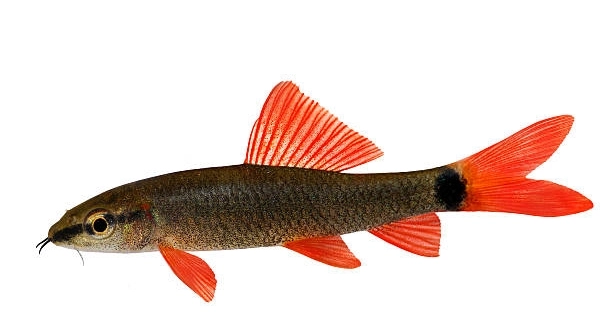
Rainbow sharks are popular aquarium fish known for their striking colors and active nature. They require proper care to thrive, but sometimes they can show signs of illness. Recognizing these signs early helps keep them healthy and happy in your tank.
Common symptoms of a sick rainbow shark include changes in behavior, loss of appetite, abnormal swimming patterns, discoloration, visible wounds, excessive hiding, and rapid breathing. Early detection and treatment are essential to prevent serious health issues and ensure recovery.
Knowing how to spot these warning signs will help you maintain a healthy environment for your fish. This guide will provide clear ways to identify if your rainbow shark needs attention.
Changes in Behavior
When a rainbow shark is feeling unwell, its behavior often changes noticeably. Normally active and curious, a sick shark might become lethargic or stop exploring its tank. It may stay in one spot for long periods or avoid interaction with other fish. Aggressive behavior can also be a sign of illness, such as sudden nipping or chasing. These behavioral changes are important signals to watch for because they often precede visible physical symptoms. Observing your fish daily helps you detect these shifts early. Taking action quickly can prevent worsening of the condition. Sometimes, even subtle changes like slower swimming or decreased responsiveness can indicate health problems. Paying close attention to these signs gives you an advantage in keeping your rainbow shark healthy and comfortable.
Behavior changes in your fish should prompt a review of tank conditions and water quality to rule out environmental stress.
Adjusting tank parameters and ensuring a stable environment often helps improve your fish’s behavior and overall well-being.
Loss of Appetite
A common sign that your rainbow shark is sick is a loss of appetite. When fish stop eating or show less interest in food, it usually means something is wrong. Poor appetite can result from internal parasites, infections, or stress caused by poor water conditions. You might notice that your fish refuses to eat even its favorite foods or spits out pellets. This is concerning because a lack of proper nutrition weakens their immune system, making recovery more difficult. Sometimes, appetite loss comes with other symptoms like weight loss or dull coloration. Feeding a balanced diet and maintaining clean water are essential steps in preventing this problem. If your rainbow shark refuses food for more than a couple of days, it is important to investigate and address the cause quickly to avoid long-term health damage.
Abnormal Swimming Patterns
Erratic or unusual swimming can indicate health problems in your rainbow shark. This includes swimming in circles, floating upside down, or rubbing against tank surfaces.
Such behavior often results from infections, parasites, or poor water conditions that irritate the fish. Swim bladder issues can also cause balance problems. These symptoms need prompt attention to avoid worsening. Observing how your fish moves daily helps detect these problems early. Treating the underlying cause often restores normal swimming. Consistent tank maintenance supports your fish’s recovery.
If your rainbow shark struggles with balance or coordination, it may be a sign of internal distress or injury. Proper diagnosis is crucial for effective treatment.
Discoloration and Visible Wounds
Changes in color or the appearance of wounds often signal illness or injury. Dull or faded colors may indicate stress or disease, while red or inflamed areas show infection or injury.
Discoloration can result from poor water quality or parasites affecting your fish’s skin. Wounds might be caused by rough tank decorations or aggressive tank mates. These physical signs need careful monitoring and treatment to prevent infection. Keeping the tank clean and stable helps your rainbow shark heal faster. Using antibacterial treatments or isolating injured fish can protect their health. Regular observation allows you to catch these signs before they become serious.
Noticing these physical changes early is key to preventing lasting damage. Proper care and attention will support your rainbow shark’s recovery and comfort.
Excessive Hiding
Excessive hiding can be a clear sign that your rainbow shark is stressed or unwell. If it spends most of its time concealed, something might be wrong.
This behavior often means the fish feels threatened or uncomfortable. It may be trying to avoid predators or escape poor water conditions.
Rapid Breathing
Rapid breathing in a rainbow shark usually signals stress or poor water quality. It can also indicate a lack of oxygen in the tank. Fish breathe faster when their gills struggle to extract enough oxygen, which may result from ammonia spikes or overcrowding. Ensuring good filtration and regular water changes often resolves this issue.
Weight Loss
Noticeable weight loss in your fish is a serious sign of illness. It usually accompanies a lack of appetite or parasites.
FAQ
How can I improve my rainbow shark’s water quality?
Maintaining good water quality is essential for your fish’s health. Regular water changes, usually 20-30% weekly, help remove waste and toxins. Use a reliable water test kit to monitor ammonia, nitrite, nitrate, and pH levels. Keep the tank filter clean and running efficiently. Avoid overfeeding, as leftover food decays and pollutes the water. Maintaining stable temperature and avoiding sudden changes also supports water quality. These steps create a healthier environment and reduce stress on your rainbow shark.
What should I do if my rainbow shark refuses to eat?
If your rainbow shark stops eating, first check water parameters to rule out poor conditions. Try offering a variety of foods like pellets, flakes, and live or frozen foods to stimulate appetite. Feeding small amounts several times a day instead of one large meal can help. If your fish still won’t eat after a couple of days, consider consulting a vet or fish specialist, as loss of appetite may indicate illness.
Can tank mates cause stress or sickness in rainbow sharks?
Yes, incompatible tank mates can stress rainbow sharks, leading to illness. Aggressive or overly active fish can cause bullying or competition for food. Territorial disputes are common with rainbow sharks, which prefer their own space. Choosing peaceful and similarly sized fish reduces stress. Observe interactions and separate any fish showing aggression or causing harm to your rainbow shark.
How long does it take for a sick rainbow shark to recover?
Recovery time depends on the illness and treatment. Mild issues like minor stress or water quality problems may improve within a week. More serious infections or injuries can take several weeks. Prompt treatment and maintaining good tank conditions speed recovery. Monitor your fish daily for improvements and continue care until fully healed.
Are medications safe to use in community tanks?
Some medications can harm sensitive species or beneficial bacteria in the tank. Always research the medication’s effects before use. Follow dosage instructions carefully and consider isolating the sick fish in a quarantine tank during treatment. This protects other tank inhabitants and improves the effectiveness of medication.
What are the most common diseases in rainbow sharks?
Common diseases include ich (white spot disease), fin rot, fungal infections, and swim bladder disorders. These usually stem from poor water quality or stress. Symptoms vary but often include spots, ragged fins, or abnormal swimming. Early detection and treatment with appropriate medication and improved tank care help prevent serious illness.
How can I prevent my rainbow shark from getting sick?
Prevention involves maintaining clean water, feeding a balanced diet, and avoiding overcrowding. Regular tank maintenance and monitoring water quality reduce risks. Quarantine new fish before adding them to your tank to avoid introducing diseases. Providing hiding spots and a proper environment also lowers stress and supports your fish’s immune system.
Is quarantine necessary when introducing new fish?
Quarantining new fish is a smart practice to prevent diseases from spreading. Keep new fish separate for at least two weeks, monitoring for signs of illness. Treat if needed before adding them to your main tank. This helps keep your rainbow shark and other tank mates healthy.
Why does my rainbow shark sometimes swim near the surface?
Swimming near the surface can indicate low oxygen levels in the water. It’s common if the tank is overcrowded or the filter is not working properly. Increasing aeration with air stones or improving filtration usually fixes this. Persistent surface swimming could also mean illness, so observe for other symptoms.
What is the best diet for a rainbow shark?
Rainbow sharks are omnivores and need a balanced diet of high-quality pellets, flakes, and occasional live or frozen foods like bloodworms or brine shrimp. Including vegetables such as blanched zucchini or spinach supports their health. Avoid overfeeding and remove uneaten food promptly to maintain water quality.
Final Thoughts
Taking care of a rainbow shark requires careful attention to its health and environment. These fish can show subtle signs when they are unwell, and it is important to notice changes early. Behavior, appetite, swimming patterns, color, and breathing are key indicators of their condition. Paying attention to these signs helps you act quickly and provide the care your fish needs. Consistent observation allows you to catch problems before they become serious, which can save your rainbow shark from severe illness or even death.
Maintaining a clean and stable tank environment is one of the best ways to keep your rainbow shark healthy. Regular water changes, proper filtration, and monitoring water parameters reduce stress and prevent many common diseases. Feeding a balanced diet suited to their needs supports their immune system and overall well-being. Avoiding overcrowding and choosing compatible tank mates also helps prevent stress and injuries. Good tank management is the foundation of healthy fish, and it should never be overlooked.
When illness does occur, acting promptly is important. Isolating the sick fish if possible and providing appropriate treatment will improve the chances of recovery. It is also helpful to research or seek advice on the specific symptoms you see to better understand the issue. Remember that patience is necessary, as healing can take time. With proper care and attention, your rainbow shark can recover and continue to thrive in your aquarium. Maintaining a calm and consistent routine creates the best environment for their long-term health.

Hello,
If you enjoy the content that we create, please consider saying a "Thank You!" by leaving a tip.
Every little bit helps us continue crafting quality advice that supports the health, happiness, and well-being of pets around the world, for pets of all shapes, sizes, and species.
We really appreciate the kindness and support that you show us!