
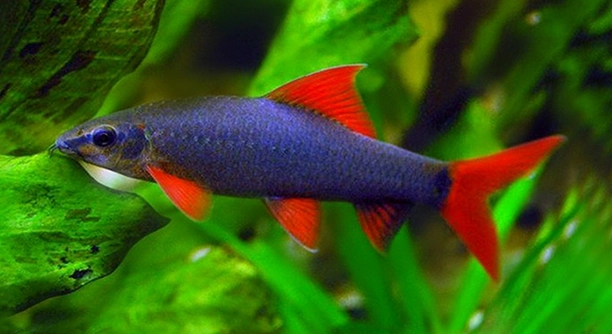
Have you ever noticed your rainbow shark acting more aggressive than usual and causing trouble in your aquarium community?
Aggressive behavior in rainbow sharks is often caused by territorial instincts, overcrowded tanks, or poor tank conditions. Stress, lack of hiding spots, or inappropriate tank mates can also contribute to their aggressive actions toward other fish.
Learning what triggers this behavior helps you create a calmer environment and keep your rainbow shark healthy and less reactive.
Territorial Nature
Rainbow sharks are naturally territorial. In the wild, they claim and defend specific areas. In a home aquarium, this instinct doesn’t go away. When they don’t have enough space or feel their area is threatened, they may become aggressive. This can lead to chasing, nipping, or constant harassment of other fish. If you notice this kind of behavior, it’s often tied to how the tank is set up. A single rainbow shark needs at least a 55-gallon tank with plenty of decorations and caves to claim as their own. Keeping only one rainbow shark per tank is best, especially in smaller setups. Their territorial instinct is strong, and placing more than one in close quarters usually results in conflict. While their aggressive behavior may seem sudden, it’s often a natural response to limited space and perceived threats. Giving them space helps reduce this behavior and lowers stress for all your fish.
A rainbow shark that feels crowded is more likely to lash out and defend its space, even if no real threat exists.
Add driftwood, rocks, and plants to give your rainbow shark personal hiding spots. These structures break up the tank’s line of sight, helping them feel secure without needing to chase off other fish. The less they see, the less they’ll react to. This reduces tension and allows tank mates to swim freely without being targeted. It also gives the rainbow shark enough structure to mimic its natural environment. You should also avoid placing slow or passive fish in the same tank, as they become easy targets. Choose faster or more robust tank mates that can hold their own, but still give the rainbow shark plenty of space. Keep an eye on behavior during feeding, as competition can increase stress. Feeding in separate areas may help keep the peace. Adjusting your tank layout can go a long way in reducing aggressive tendencies.
Overcrowded Tank Conditions
An overcrowded tank leads to stress and aggression. Rainbow sharks don’t do well when surrounded by too many fish.
In a busy tank, there’s limited swimming space, fewer hiding spots, and more competition for food. This environment increases stress, which leads to more frequent outbursts of aggression. Rainbow sharks are solitary swimmers by nature. They prefer a calm, spacious tank with only a few compatible tank mates. Too many fish in one area forces the rainbow shark to constantly protect its space. Even peaceful species can become targets if the shark feels threatened or overstimulated. To avoid this, maintain proper stocking levels and choose suitable tank mates. A 55-gallon tank should have no more than a few mid-level or top-level swimmers. Bottom dwellers should be avoided, as they often come into direct contact with the shark’s territory. Good planning will prevent stress, help maintain healthy water parameters, and reduce the risk of injuries from constant chasing or biting.
Incompatible Tank Mates
Placing rainbow sharks with the wrong species often leads to aggressive behavior. Passive, slow-moving fish or bottom dwellers are especially at risk. The rainbow shark may see them as intruders, resulting in chasing, biting, or constant territorial displays.
Choosing tank mates that occupy different levels of the tank helps reduce tension. Avoid bottom feeders like loaches and catfish, which compete for the same space. Peaceful fish that are too slow, like guppies or bettas, may become targets due to their inability to escape quickly. Instead, go for fast-swimming, mid-level fish that can share the space without causing stress. Avoid keeping two rainbow sharks together, as they will usually fight unless the tank is exceptionally large and heavily structured. The goal is to limit overlap in territory and movement, giving each fish space to swim without confrontation. Compatibility matters just as much as tank size when it comes to reducing aggression.
If you notice one fish constantly being chased or hiding, it’s a clear sign the tank mates are not compatible. Frequent stress weakens a fish’s immune system and can lead to illness or injury. Always research compatibility before introducing new fish to the tank. A poor match leads to ongoing tension that’s hard to reverse. If aggression starts, remove the targeted fish quickly to prevent further stress. Watching interactions closely during the first few days helps you catch problems early. Rearranging decorations may also reset territorial boundaries and improve tank dynamics. A calm tank starts with thoughtful planning and the right mix of fish.
Lack of Hiding Spots
When a tank lacks hiding places, fish feel exposed. Rainbow sharks, despite their bold nature, still rely on shelter to feel secure. Without it, they’re more likely to lash out and patrol the tank constantly, increasing aggression toward tank mates.
To prevent this, add caves, driftwood, and plants throughout the tank. These elements break up open areas and allow the rainbow shark to retreat when needed. A well-structured tank makes a big difference in reducing stress. Hiding spots also help other fish feel safe and avoid unwanted attention. Each fish should have access to shelter without competing for space. A bare tank leaves fish vulnerable and more likely to clash. Try placing décor in different corners or layers to distribute hiding spaces evenly. This helps keep the peace and supports healthy behavior patterns. A visually complex environment leads to a calmer, more balanced tank for all your fish.
Stress from Poor Water Conditions
Poor water quality leads to stress, which can trigger aggressive behavior in rainbow sharks. High ammonia or nitrate levels, low oxygen, and unstable temperatures make them feel unsafe, causing them to act out more often.
Regular water testing and weekly partial water changes help maintain a stable environment. Use a good filter, avoid overfeeding, and keep the tank clean to prevent spikes in harmful chemicals.
Improper Tank Size
A small tank leaves no room for territory or escape routes. Rainbow sharks need space to swim freely and establish their area without constantly bumping into other fish. A cramped tank creates tension and increases territorial aggression. For a single adult, a minimum 55-gallon tank is necessary. Anything smaller limits natural behavior and encourages stress. Horizontal space is more important than vertical height, as these fish are active swimmers. A larger tank also allows you to safely include compatible tank mates. Without enough room, even peaceful fish can become aggressive due to stress. Proper space is one of the most effective ways to control unwanted behavior.
Mating Behavior
Rainbow sharks may display territorial aggression when mature, but this isn’t linked to typical mating. They rarely breed in home tanks, and what seems like courtship is often just increased dominance behavior.
FAQ
Why is my rainbow shark so aggressive all of a sudden?
Sudden aggression is usually a sign of stress or environmental changes. It may be caused by overcrowding, a new fish added to the tank, or poor water quality. Rainbow sharks react quickly to disruptions in their space or routine. Checking tank conditions and observing recent changes often reveals the cause. Make sure the water parameters are stable, and the tank isn’t overcrowded. Rearranging decorations to create new hiding spots can also help calm them down.
Can I keep more than one rainbow shark in the same tank?
Keeping multiple rainbow sharks in the same tank is generally not recommended unless you have a very large, well-structured aquarium. They are territorial and will fight for dominance. If you do try multiple rainbow sharks, ensure at least 75 gallons of space per fish and plenty of hiding places. Even then, aggression is common, and you should be prepared to separate them if fights occur.
What tank mates are best for a rainbow shark?
The best tank mates are fast, mid-level swimmers that can avoid conflict and do not compete for the same space. Avoid bottom dwellers like loaches or catfish because they share similar territory. Good companions include danios, barbs, or larger tetras. Avoid slow or timid fish since they become easy targets. The key is choosing species that move quickly and don’t provoke territorial behavior.
How often should I clean my tank to reduce aggression?
Regular maintenance is essential. A weekly 20-30% water change helps keep water clean and reduces stress. Overfeeding and poor filtration cause waste buildup, which raises ammonia and nitrates, triggering aggression. Test water weekly for ammonia, nitrite, and nitrate levels to ensure a healthy environment. Keep the tank free of uneaten food and debris. A clean, stable environment supports calm behavior.
Can changing the tank layout help with aggressive behavior?
Yes. Rearranging the tank can reset territorial boundaries and reduce fights. Adding new hiding spots like caves, plants, or driftwood gives your rainbow shark places to retreat and claim. Breaking up open swimming areas limits line-of-sight aggression. Changing decorations forces fish to establish new territories, which may reduce stress and aggression once settled.
Does diet affect a rainbow shark’s aggression?
An improper or insufficient diet can increase stress and lead to aggression. Rainbow sharks need a balanced diet rich in protein and vegetable matter. Feeding a mix of sinking pellets, algae wafers, and occasional live or frozen foods helps maintain health. Overfeeding causes poor water quality, while underfeeding causes irritability. Feeding small amounts twice daily supports stable behavior.
What should I do if my rainbow shark injures other fish?
If aggression leads to injury, remove the victim immediately to prevent further harm. Check water quality and tank setup to address stress factors. Consider separating the rainbow shark temporarily or permanently if aggression persists. Increasing hiding spots and reducing the number of tank mates may help. In severe cases, moving the rainbow shark to its own tank is the safest option.
Can stress cause a normally peaceful rainbow shark to become aggressive?
Yes. Stress from poor water conditions, overcrowding, or incompatible tank mates often triggers aggression. Rainbow sharks respond to stress by defending their space more aggressively. Improving tank conditions, providing adequate space, and choosing compatible companions helps reduce stress-related aggression.
Is it normal for rainbow sharks to chase other fish?
Chasing is a common way rainbow sharks show territorial behavior. While some chasing is normal, constant harassment or biting signals a problem. Reducing overcrowding, increasing hiding spots, and adjusting tank mates can help. Monitoring interactions during feeding is also important, as competition can increase chasing behavior.
How can I tell if my rainbow shark is stressed?
Signs of stress include erratic swimming, loss of appetite, faded colors, and hiding more than usual. Aggression can also be a symptom of stress. Regularly observing your fish’s behavior and checking water parameters helps catch stress early. Quick action can prevent health decline and reduce aggressive episodes.
Final Thoughts
Aggressive behavior in rainbow sharks can be frustrating, but understanding the reasons behind it makes managing the problem easier. Most often, aggression comes from natural instincts like territoriality or stress caused by the tank environment. Small tanks, poor water quality, and overcrowding are common triggers that push rainbow sharks to act out. Knowing these causes allows you to take steps to improve your aquarium setup and reduce tension among your fish. Simple changes like increasing tank size, adding hiding spots, and choosing compatible tank mates can make a big difference in calming aggressive behavior.
It is important to remember that rainbow sharks need a carefully balanced environment to thrive. Providing enough space and a well-maintained tank helps reduce stress, which is a major factor in aggressive actions. Regular water testing and cleaning keep water parameters stable and safe for your fish. Avoid overcrowding and be mindful when adding new tank mates to prevent unnecessary conflict. Taking time to observe your fish and their interactions can alert you early to problems before aggression escalates. With proper care, rainbow sharks can live peacefully alongside other fish in a healthy community tank.
Handling aggression requires patience and careful planning. There is no quick fix, but adjusting the tank layout, improving water quality, and selecting suitable companions will gradually create a calmer environment. If problems continue, separating the aggressive fish may be necessary for the well-being of all the inhabitants. Ultimately, a peaceful aquarium depends on understanding your fish’s needs and providing the best possible home. Keeping these points in mind will help maintain harmony in your tank and ensure your rainbow shark remains a beautiful and interesting addition.

Hello,
If you enjoy the content that we create, please consider saying a "Thank You!" by leaving a tip.
Every little bit helps us continue crafting quality advice that supports the health, happiness, and well-being of pets around the world, for pets of all shapes, sizes, and species.
We really appreciate the kindness and support that you show us!