
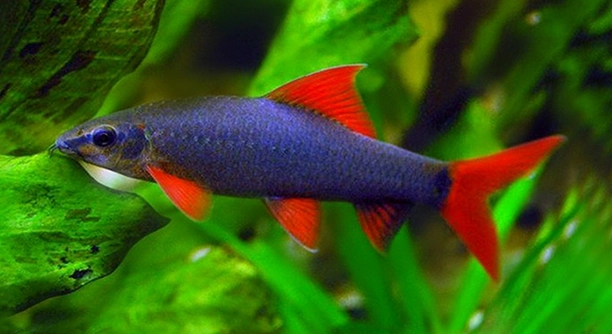
Is your rainbow shark showing signs of stress, sudden aggression, or odd swimming patterns that seem out of the ordinary?
Rainbow sharks often display behavioral changes when kept in a tank that’s too small. These include pacing, aggression, hiding, or loss of color. Providing enough space is essential to support their health, movement, and territorial needs.
Understanding these signs early can prevent long-term stress and improve your shark’s overall well-being in its aquatic home.
Sign 1: Increased Aggression Toward Tank Mates
When rainbow sharks feel confined, they often become more aggressive. You might notice them chasing, nipping, or constantly patrolling the tank, trying to establish dominance. This is common in environments that don’t offer enough space to mark territory or swim freely. In small tanks, their natural instincts become exaggerated. These fish are territorial by nature, but when stressed by limited space, their behavior can intensify. Other tank mates may hide more or develop injuries. If aggression suddenly increases, it’s a clear indication your rainbow shark may need more room. A cramped tank limits their ability to move naturally and causes unnecessary stress. Consider the tank size, layout, and hiding spots when aggression becomes more noticeable. Expanding the tank or rearranging it can often help balance their behavior and reduce the impact on other fish in the aquarium. Space isn’t just a preference—it’s a need for their overall stability.
If your rainbow shark is chasing more than usual, it might be reacting to a lack of space.
Rainbow sharks typically need at least 55 gallons to thrive peacefully. In tanks smaller than that, territorial instincts often take over, leading to unwanted behaviors. Their swimming path becomes more erratic and aggressive, especially in shared environments with bottom dwellers or similar-sized species. A larger tank allows for proper territory distribution and gives them the room to establish clear boundaries. Adding more plants, caves, or visual barriers can also help reduce tension. However, space remains the key factor. Constant confrontation is not just stressful for tank mates—it also drains the rainbow shark. If these signs are ignored, they can lead to ongoing conflict, injuries, and stress-related illnesses. Observing their interactions closely will help you determine whether a tank upgrade is necessary to support a more peaceful aquatic environment.
Sign 2: Constant Hiding or Avoidance
Rainbow sharks that spend too much time hiding may be signaling discomfort or stress from restricted tank space.
In smaller tanks, rainbow sharks often feel threatened or boxed in, causing them to retreat to hiding spots more frequently. While they naturally like to claim a territory or cave, excessive hiding usually indicates that their environment is no longer supporting their needs. They may feel overwhelmed by other fish, unable to move comfortably, or simply overstimulated. A tank that’s too small does not allow them to establish a balanced zone, so they withdraw. This behavior can also be mistaken for shyness, but when it becomes their primary state, it’s worth evaluating the tank setup. Providing more open swimming areas along with a larger tank can help reduce this anxious behavior. It allows the shark to move about naturally without feeling cornered. Observing how long and how often they stay hidden is important—it reflects their comfort level and overall stress.
Sign 3: Erratic Swimming Patterns
Erratic swimming is often a physical reaction to stress or discomfort. When rainbow sharks lack space, they may dart quickly, swim in tight circles, or pace along the tank walls repeatedly without purpose.
This kind of movement usually signals that your rainbow shark feels confined or frustrated. A small tank restricts their ability to swim in a natural, steady rhythm. Instead of exploring comfortably, they bounce from one end to the other or circle tight areas trying to release tension. These behaviors can also lead to physical exhaustion or injury, especially if there are sharp decorations or corners. Over time, this constant stress may weaken their immune system, making them more vulnerable to disease. Observing how often these movements occur can help you recognize when your fish is outgrowing the tank. Rainbow sharks need room to swim in long, straight lines—not be forced into cramped, repetitive loops.
Adding more space allows your rainbow shark to move smoothly and maintain healthier swimming patterns. Larger tanks give them enough room to glide and explore without running into limits. This also reduces the mental pressure they feel in tight spaces. Besides expanding the tank, adding open swimming zones and removing unnecessary clutter can make a big difference. They prefer long tanks over tall ones, so choosing a shape that suits their behavior is also important. Erratic movements tend to fade when their environment supports their needs. Once they feel safe and unrestricted, their swimming becomes more natural and less frantic. Watching them move calmly is a clear sign you’ve met their space requirements and improved their daily experience.
Sign 4: Sudden Loss of Color
Color loss in rainbow sharks can happen gradually or suddenly, and it’s often tied to environmental stress. One common cause is limited swimming space, which can disrupt their natural balance and energy levels.
A rainbow shark’s bright, vivid color is a sign of good health and stability. When they’re stressed, one of the first visible symptoms is dull or faded coloration. This isn’t always due to illness—sometimes, it’s directly linked to how cramped they feel. A lack of space can increase cortisol levels, which suppresses color intensity. Without enough room, their activity level drops, and they become less engaged, leading to a more washed-out appearance. In smaller tanks, they may also struggle to eat or interact properly, further reducing their overall health. A roomy environment, combined with proper lighting and nutrition, helps them maintain their natural vibrancy. You’ll often notice color returning once the tank size is corrected.
Sign 5: Frequent Surfacing or Gasping
When a rainbow shark swims to the surface often or appears to gasp, it may be struggling to get enough oxygen. In many cases, this is due to poor water circulation in a tank that’s too small.
Limited space can lead to lower oxygen levels and restricted flow. As waste builds up quickly in cramped environments, water quality drops, affecting their breathing.
Sign 6: Reduced Activity Levels
A rainbow shark that becomes sluggish or less interactive might not just be tired—it could be reacting to the tank size. When the space is too limited, they lose stimulation and start to shut down physically. Movement becomes minimal, and they may rest more than usual. This behavior shift usually reflects stress and discomfort. Keeping them in a larger tank encourages healthier, more natural activity. A roomy tank supports exploration, exercise, and social behaviors, helping them stay alert and engaged. Noticing a drop in energy is a reliable sign that something in the environment needs to change, especially if other health factors are ruled out.
Sign 7: Stunted Growth
Growth slows down when rainbow sharks live in tanks that don’t match their needs. They need space to grow properly and maintain muscle tone.
FAQ
How big should a tank be for a rainbow shark?
A rainbow shark needs a minimum of 55 gallons to thrive. This size gives them enough space to swim freely, establish territory, and feel secure. Tanks smaller than this often lead to stress, aggression, and health issues. Longer tanks are better than tall ones, as these fish prefer horizontal space to swim. If housed with other fish, an even larger tank may be necessary to reduce territorial conflict. The more space you provide, the healthier and more balanced your rainbow shark’s behavior will be.
Can a rainbow shark live in a community tank?
Yes, rainbow sharks can live in community tanks, but only under the right conditions. The tank must be large enough—ideally over 55 gallons—and have enough hiding spaces and visual barriers. Avoid keeping them with other bottom dwellers or similarly shaped fish, as that may trigger territorial behavior. Good tank mates include peaceful mid-to-top swimmers like danios, barbs, or gouramis. Never house them with other rainbow sharks or similar species such as red-tailed sharks, as this can cause constant aggression. Tank dynamics and space play a major role in whether they get along with others.
Why does my rainbow shark keep hiding all day?
If your rainbow shark hides excessively, it’s usually due to stress or lack of space. These fish are territorial and like having a designated spot, but if they spend most of their time hiding, something is off. They could be overwhelmed by other fish, reacting to poor water conditions, or feeling confined. A cramped tank heightens their anxiety. Ensure your tank is big enough and includes plenty of plants, rocks, or caves for cover. Once the environment feels more open and balanced, hiding usually decreases. Watching how often they come out can help gauge their comfort level.
What happens if the tank is too small?
When kept in a tank that’s too small, rainbow sharks may show signs of stress such as aggression, color loss, or erratic swimming. Their growth may also slow, and their immune system can weaken. A tight environment limits movement, causes tension with tank mates, and reduces oxygen flow and water quality. Over time, this creates long-term health problems. Their quality of life drops, and they may become withdrawn or overly dominant. Providing the proper tank size isn’t just ideal—it’s necessary for their health and stability.
Do rainbow sharks grow to fit their tank?
No, this is a common myth. While their growth might slow down in a small tank, it’s not healthy or natural. Stunted growth is usually a result of poor water conditions, lack of space, and stress. This can lead to organ damage and a shorter lifespan. Rainbow sharks naturally grow up to 6 inches in length and need room to develop at a normal rate. Keeping them in a small tank to control size is harmful. A proper tank supports healthy growth and helps prevent complications.
How do I know if my rainbow shark is stressed?
Signs of stress include hiding too often, darting around the tank, aggressive behavior, pale color, or reduced appetite. These symptoms are usually connected to their environment, with space being a top factor. Watch for behavior changes and check tank conditions regularly. Test the water, ensure proper filtration, and observe how they interact with tank mates. If your shark suddenly starts acting differently, it’s worth reviewing the setup. Most stress behaviors improve once the tank meets their needs for space and comfort.
Can I add more than one rainbow shark to the same tank?
It’s not recommended. Rainbow sharks are highly territorial, especially toward their own kind or similarly shaped fish. Housing more than one in the same tank often leads to constant fighting unless the aquarium is extremely large—over 100 gallons—with clearly divided territories and plenty of hiding spaces. Even then, it’s risky. Most aquarists keep only one per tank to avoid aggression. If you’re looking for variety, consider other species that swim at different levels or occupy different areas of the tank to reduce conflict.
How often should I clean the tank if I have a rainbow shark?
A weekly cleaning schedule works best. Perform partial water changes (about 25–30%) every week to keep the environment healthy. Rainbow sharks are sensitive to poor water quality, and smaller tanks can become toxic quickly. Clean the substrate, check filters, and monitor ammonia, nitrite, and nitrate levels regularly. A clean tank not only supports their physical health but also helps stabilize their behavior. Keeping up with maintenance reduces the risk of illness and stress-related changes in your rainbow shark’s behavior.
Final Thoughts
Rainbow sharks are striking and active fish, but they need the right environment to stay healthy and calm. One of the most important parts of their care is giving them enough room to swim and grow. A tank that’s too small can cause many problems, from aggression and stress to stunted growth and dull color. These issues often go unnoticed until they become serious, but most of them can be prevented by understanding how space affects your shark’s behavior and overall health. A properly sized tank gives them freedom to explore and establish their territory without constant stress or tension.
If your rainbow shark is showing signs like constant hiding, unusual swimming, or picking on other fish, the size of the tank might be the cause. These behaviors are their way of reacting to an environment that no longer meets their needs. While decorations, plants, and filtration help, none of these can replace the value of open space. Larger tanks don’t just give your shark more room—they also support better water quality and reduce the chance of aggression toward tank mates. When their environment feels right, rainbow sharks become more peaceful, display brighter colors, and move with more ease and confidence.
Caring for a rainbow shark means watching their behavior closely and being ready to adjust their space if needed. Regular maintenance, proper tankmates, and thoughtful layout all matter, but tank size remains the foundation of good care. If you’re planning to keep one, think ahead about their long-term needs and not just their size as a juvenile. Providing a spacious, clean, and balanced environment allows your rainbow shark to live a healthier, more active life. With the right setup, you’ll enjoy watching them swim comfortably and show off their full personality—without the stress that comes from a cramped tank.

Hello,
If you enjoy the content that we create, please consider saying a "Thank You!" by leaving a tip.
Every little bit helps us continue crafting quality advice that supports the health, happiness, and well-being of pets around the world, for pets of all shapes, sizes, and species.
We really appreciate the kindness and support that you show us!