
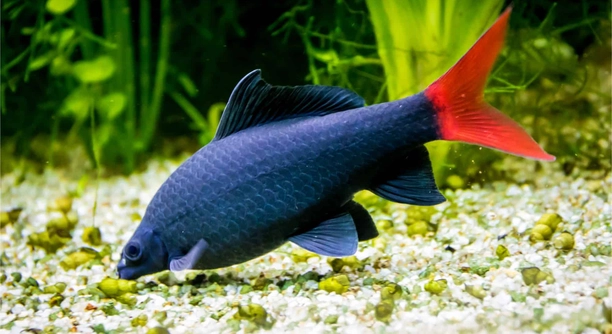
Rainbow Sharks are popular freshwater fish, known for their vibrant colors and active nature. However, they can sometimes show aggressive behavior, especially when kept in small or crowded tanks. Managing their aggression is important to keep a peaceful aquarium environment.
Aggression in Rainbow Sharks can be controlled by providing ample space, hiding spots, and proper tank mates. Regular feeding, maintaining water quality, and avoiding sudden changes in the tank also help reduce stress and aggressive tendencies.
These tips will help you create a calm and healthy habitat where your Rainbow Sharks can thrive without conflict.
Provide Enough Space for Each Fish
Rainbow Sharks need enough room to swim and claim their own territory. A tank that is too small can increase stress and lead to fights. For a single Rainbow Shark, a tank of at least 30 gallons is recommended. If you want to keep more than one, increase the size accordingly. Overcrowding causes competition for space, which often triggers aggressive behavior.
When fish have space, they can avoid each other and reduce conflicts. The bottom and middle levels of the tank should be open for swimming. Adding plenty of swimming space helps Rainbow Sharks feel less threatened.
Creating separate territories with decorations or plants also helps. It gives each fish a place to claim without feeling challenged. Using taller plants or rocks can form natural boundaries. This reduces the chances of confrontations and keeps the tank peaceful.
Use Hiding Spots to Reduce Aggression
Hiding places help Rainbow Sharks feel safe and less stressed.
Including caves, driftwood, or dense plants in the tank provides shelter. These hiding spots give the fish a break from each other and reduce aggressive encounters. It also lets shy fish avoid more dominant ones. When fish feel secure, they are less likely to act out aggressively. Regularly rearranging these spots can prevent territory disputes from becoming too fixed, making the tank environment calmer overall.
Choose Compatible Tank Mates
Not all fish get along well with Rainbow Sharks. Avoid slow-moving or long-finned species that might be bullied. Good tank mates are fast, peaceful, and able to hold their own without stressing the sharks.
Ideal companions include barbs, danios, and some types of catfish. These fish share similar water requirements and temperaments. Avoid small fish that can be seen as prey, or other aggressive species that might increase tension. A balanced community reduces fights and creates a calmer tank environment.
Pay attention to how fish interact after introducing new tank mates. Sometimes, even compatible species need time to adjust. Be ready to separate fish if aggressive behavior continues. A well-planned community tank helps manage aggression naturally.
Maintain Proper Feeding Habits
Feeding Rainbow Sharks the right amount at regular times helps lower aggression. Hungry fish tend to become more territorial and irritable. Offer a balanced diet of pellets, flakes, and occasional live or frozen foods.
Avoid overfeeding, which can cause poor water quality and stress. Feed small amounts that the fish can eat within a few minutes. Uneaten food should be removed to keep the tank clean. Feeding at consistent times daily reduces competition and fighting.
Using a feeding ring or placing food in different spots can prevent dominant fish from blocking others. This way, all fish get their share and less aggression occurs over food. Maintaining good feeding habits supports the health and peace of your aquarium.
Keep Water Quality High
Clean water reduces stress and aggression in Rainbow Sharks. Regular water changes help remove toxins and keep the environment healthy.
Test the water often for ammonia, nitrites, and nitrates. Proper filtration and stable water parameters are essential to avoid triggering aggressive behavior.
Avoid Sudden Changes in the Tank
Sudden changes in temperature, pH, or tank setup can stress Rainbow Sharks. Stress often leads to increased aggression, so keeping conditions stable is important. Introduce changes slowly and carefully to help the fish adjust without conflict.
Monitor Behavior Regularly
Watch your Rainbow Sharks daily for signs of aggression or stress. Early detection helps prevent problems from worsening. If aggressive behavior appears, adjust tank conditions or consider separating fish to maintain peace.
Use Tank Dividers if Needed
Tank dividers can separate aggressive individuals while allowing water flow. This is helpful in preventing injuries and calming the tank. Dividers provide a practical way to manage aggression without removing fish permanently.
FAQ
Why are my Rainbow Sharks so aggressive?
Rainbow Sharks can become aggressive due to limited space, lack of hiding spots, or stress from poor water quality. They are territorial by nature, especially in smaller tanks or when kept with incompatible fish. Overcrowding and sudden changes in the tank environment can also increase aggression. Ensuring enough space, stable conditions, and proper tank mates usually helps reduce this behavior.
How big should my tank be for Rainbow Sharks?
A minimum of 30 gallons is recommended for one Rainbow Shark. If you want to keep multiple sharks or other fish, increase the tank size accordingly. More space allows the fish to establish territories and reduces competition. Larger tanks also help maintain stable water conditions, which is important for their health and behavior.
Can Rainbow Sharks live with other fish?
Yes, but choosing compatible tank mates is key. Fast-swimming, peaceful species like barbs, danios, and certain catfish work well. Avoid slow or long-finned fish, which might be bullied. Also, stay away from aggressive species that could escalate conflicts. Observing interactions after introducing new fish is important to ensure harmony.
What should I feed my Rainbow Sharks?
Rainbow Sharks eat a mix of pellets, flakes, and occasional live or frozen foods like bloodworms or brine shrimp. Feeding small amounts twice a day works well. Overfeeding can harm water quality and increase aggression, so remove any uneaten food after a few minutes.
How often should I clean the tank?
Regular water changes of about 20-25% every week or two keep the tank clean and reduce toxins that cause stress. Clean the filter as needed but avoid disturbing beneficial bacteria. Testing water parameters often helps catch problems early before aggression starts.
What signs show a Rainbow Shark is stressed or aggressive?
Look for chasing, biting fins, hiding too much, or sudden color changes. These behaviors often mean the fish is stressed or feels threatened. Stress can result from poor water quality, overcrowding, or incompatible tank mates. Addressing these issues quickly can restore peace.
Is it okay to use tank dividers for aggressive Rainbow Sharks?
Yes, tank dividers are a practical solution when aggression is severe. They allow water flow but keep fish physically separated. This reduces injuries and lets fish calm down without permanent removal. Dividers are helpful during breeding or when introducing new fish.
Can rearranging decorations help reduce aggression?
Rearranging plants, rocks, or hiding spots can disrupt established territories and lower aggression. It gives Rainbow Sharks a chance to claim new spaces and reduces fixed dominance. Changing tank layout occasionally promotes a calmer environment.
Do Rainbow Sharks need hiding spots?
Absolutely. Hiding spots like caves, dense plants, or driftwood provide shelter and reduce stress. When fish can retreat, they feel safer and are less likely to act aggressively. Multiple hiding places help all fish find refuge.
What water parameters do Rainbow Sharks prefer?
Rainbow Sharks thrive in water with temperatures between 72°F and 79°F, pH levels around 6.5 to 7.5, and moderate hardness. Keeping these stable helps prevent stress and aggression. Sudden changes in temperature or pH should be avoided.
How do I introduce new fish without causing aggression?
Introduce new fish slowly and keep them in quarantine first to ensure health. Add them when Rainbow Sharks are less active, such as during feeding time. Monitor interactions closely and be ready to separate if fights begin. Proper introduction reduces stress and aggression.
Can overfeeding cause aggression?
Yes, overfeeding can lead to poor water quality, which stresses fish and increases aggression. Feeding small amounts that fish can finish within minutes prevents leftover food buildup. Consistent feeding schedules reduce competition and help maintain peace.
What should I do if aggression continues despite changes?
If aggression persists, consider separating the most aggressive individuals or increasing tank size. Sometimes, individual personalities clash and cannot be resolved in the same tank. Providing separate spaces or finding new homes for problematic fish helps maintain a peaceful aquarium.
Managing aggression in Rainbow Shark tanks requires careful attention to their environment and behavior. These fish are naturally territorial, so providing enough space is important to help them avoid conflicts. A larger tank allows each fish to claim its own area, reducing stress and fights. Adding hiding spots like plants, rocks, or caves gives the fish places to retreat when they feel threatened. This can calm them down and prevent aggressive encounters. Keeping the tank clean with regular water changes also supports their health and reduces irritability caused by poor water quality.
Choosing the right tank mates plays a big role in managing aggression. Rainbow Sharks do best with other fish that are fast and peaceful but can hold their own. Avoiding slow or long-finned fish prevents bullying, and staying away from aggressive species lowers the chance of fights. Feeding the fish properly with balanced food and consistent schedules helps keep them calm. Overfeeding or feeding too little can increase stress and aggression, so offering the right amount at regular times is important.
Keeping water conditions stable and monitoring the fish’s behavior regularly helps catch problems early. Sudden changes in temperature or pH can stress the fish and cause them to act aggressively. Watching for signs like chasing or hiding can help you know when something is wrong. If aggression continues, using tank dividers or rearranging decorations may be necessary. These simple steps can create a peaceful environment where your Rainbow Sharks can live happily and healthily for a long time.

Hello,
If you enjoy the content that we create, please consider saying a "Thank You!" by leaving a tip.
Every little bit helps us continue crafting quality advice that supports the health, happiness, and well-being of pets around the world, for pets of all shapes, sizes, and species.
We really appreciate the kindness and support that you show us!