
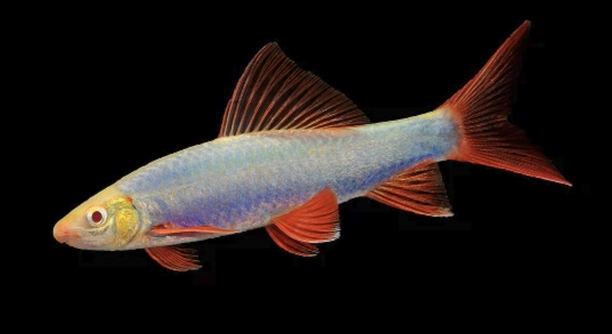
Are your rainbow sharks chasing or hiding from their tankmates, leaving you unsure about how to keep the peace in your aquarium?
Rainbow sharks can be aggressive toward certain fish, especially those with similar size or body shape. Choosing the right tankmates involves selecting peaceful, fast swimmers that prefer different tank levels and do not resemble the rainbow shark.
Knowing which fish to avoid and which to choose can help prevent stress, injuries, and territorial disputes in your tank.
Choose Peaceful, Fast-Moving Tankmates
Rainbow sharks are semi-aggressive and can show territorial behavior, especially as they grow older. To keep a calm tank, it’s best to house them with peaceful species that are quick enough to avoid conflict. Ideal tankmates include barbs, danios, rasboras, and rainbowfish. These fish swim actively and typically stay in the middle or upper levels of the tank, which helps reduce the chance of clashes with the bottom-dwelling rainbow shark. Avoid slow swimmers or those with long fins, like angelfish or bettas, as they may get nipped or chased. Bottom-feeders like loaches or catfish can work, but make sure your tank is large enough to provide enough space and hiding spots for both. When choosing tankmates, consider your aquarium’s size, layout, and how many fish you plan to keep. A well-planned setup can go a long way in reducing aggression and ensuring a stress-free environment for all the fish.
Some fish, like guppies or goldfish, are too fragile to live with rainbow sharks and may be harassed or harmed.
By giving your rainbow shark tankmates that are active, peaceful, and able to stay out of its way, you’ll support a stable and safer environment. A good mix of tank levels and swimming habits also helps.
Avoid Other Bottom Dwellers
Tankmates that share the same territory as a rainbow shark can cause tension, especially in smaller tanks without hiding spaces.
Rainbow sharks claim the lower area of the aquarium and often see other bottom dwellers as rivals. This can lead to chasing, fin-nipping, or long-term stress for both fish. Species like red tail sharks or other rainbow sharks should never be housed together unless the tank is over 125 gallons with plenty of visual barriers. Even peaceful bottom-feeders like plecos or corydoras can be harassed if space is too tight. If you still want to include bottom-level fish, create separate hiding zones using plants, driftwood, or caves to break up the shark’s line of sight. The more structured the tank, the better the odds of reducing aggressive behavior. Remember, tank size is key—rainbow sharks need at least 50 gallons on their own, and more if they share space with others.
Avoid Bright or Long-Finned Fish
Bright colors or flowing fins can trigger aggression in rainbow sharks. Fish like guppies, angelfish, or fancy goldfish often attract unwanted attention and may be chased or injured by the shark. Stick to fish with simple colors and short fins to reduce conflict.
Rainbow sharks tend to see long, delicate fins as an easy target. Fish with trailing fins often swim slowly, making them vulnerable in a tank with a territorial species. Even if the rainbow shark isn’t aggressive at first, it may eventually begin chasing or nipping these fish as it matures. This can lead to stress, torn fins, or even serious injury. It’s best to avoid species that resemble the rainbow shark in shape or color as well. This includes fish with red or orange tails. Choosing the wrong type of fish can create ongoing problems that are hard to correct once the behavior starts.
Keeping rainbow sharks with fast, sturdy fish gives you the best chance at maintaining peace. Avoiding fish with bright colors or fancy fins helps remove triggers that often lead to aggression. It’s also smart to observe how your shark reacts early on, especially when introducing new tankmates. Remove fish that seem stressed or bullied before it gets worse.
Provide Enough Space and Hiding Areas
Rainbow sharks become more territorial when they feel crowded or exposed. A spacious tank with well-placed decorations helps each fish claim its own area and avoid constant contact with others. This lowers tension and gives shy fish a safe retreat.
A tank that’s too small can lead to constant stress and aggression. Rainbow sharks need at least 50 gallons, but more space is better if you’re adding tankmates. Include plants, rocks, and caves to block the shark’s line of sight and break up territories. This helps reduce chasing and gives fish a chance to hide or escape when needed. Avoid placing decorations too close together—leave open swimming areas, especially in the middle and top zones. Adding tall plants or driftwood can help separate levels, keeping active swimmers out of the rainbow shark’s path. With enough space and smart tank design, your fish are more likely to thrive together without constant tension.
Avoid Keeping More Than One Rainbow Shark
Housing more than one rainbow shark often leads to aggressive behavior. They are highly territorial and usually do not tolerate others of their kind. Unless you have a very large tank with clear boundaries, it’s best to keep only one.
Fighting between rainbow sharks can result in constant stress, injuries, or even death. Dominance struggles are common, especially as they mature.
Monitor for Aggression Early
It’s important to watch how your rainbow shark behaves after adding new tankmates. Signs of aggression include chasing, biting, or forcing other fish into hiding. If this happens often, it’s a signal the tank setup or fish selection needs to change. The earlier you address problems, the easier they are to fix. Some rainbow sharks mellow out with age, while others stay territorial. Having extra decorations, hiding spots, and open space can reduce issues. You can also try rearranging the tank to reset boundaries. If the aggression continues, consider rehoming one of the fish to keep the rest of the tank calm and balanced.
Feed Properly to Reduce Stress
Feeding on a regular schedule helps keep all fish calm and less competitive. A mix of sinking pellets and fresh vegetables can meet your rainbow shark’s needs.
FAQ
Can rainbow sharks live with angelfish?
It’s not a good idea to keep rainbow sharks with angelfish. Angelfish have long, flowing fins and tend to move slowly, making them easy targets for a rainbow shark’s aggression. Rainbow sharks are known to nip and chase tankmates that appear different or vulnerable, and angelfish are usually too peaceful to defend themselves. This pairing often leads to stress and injury. Even if they seem to get along at first, the behavior can change as the rainbow shark matures. It’s safer to keep angelfish with calm species that won’t see them as rivals or threats.
Can rainbow sharks live with other sharks?
Rainbow sharks are best kept alone when it comes to other “sharks.” Red tail sharks, albino rainbow sharks, and bala sharks may seem similar, but they often fight due to territory disputes. These fish tend to occupy the same tank space and do not tolerate similar-looking species nearby. Unless the tank is extremely large—over 100 gallons—it’s likely that one will become dominant and harass the others. Even if they grow up together, conflicts usually arise later as they claim territory. For a peaceful tank, avoid mixing rainbow sharks with other shark-like fish.
What is the minimum tank size for a rainbow shark?
A single rainbow shark needs at least a 50-gallon tank. Anything smaller can make them feel cramped and more aggressive. Rainbow sharks like to swim and explore, and they claim their own space at the bottom of the tank. A larger tank also gives you room to add tankmates, plants, caves, and decorations to break up the space. If you plan on keeping multiple fish or adding bottom dwellers, consider going even bigger. A wider tank with more surface area is better than a tall one, as it provides more usable territory.
How do I know if my rainbow shark is stressed?
Stress can show up in different ways. You might see your rainbow shark hiding all the time, refusing to eat, or swimming erratically. It may also become more aggressive, constantly chasing other fish or guarding one area of the tank. Faded color and torn fins are other signs. Common causes include overcrowding, poor water quality, or unsuitable tankmates. Try checking the water parameters, adding more hiding spots, or removing aggressive fish. Keeping a regular schedule and feeding properly can also help lower stress levels over time.
Can I keep rainbow sharks with bottom feeders?
It depends on the tank size and the personality of your rainbow shark. In a spacious tank with enough hiding places, some bottom feeders like bristlenose plecos or yoyo loaches may be fine. However, since rainbow sharks are territorial, they might still chase or nip at fish that share the lower area of the tank. It helps to rearrange the decorations so the shark doesn’t feel like it owns a specific corner. Monitor the behavior closely, especially after introducing new fish. If your bottom dwellers look stressed or are hiding all the time, it may not be a good match.
What types of fish are safest with rainbow sharks?
Fast-moving, peaceful fish that stay in the middle or top levels of the tank usually work best. Good options include zebra danios, giant danios, tiger barbs (in groups), cherry barbs, rainbowfish, and some tetras like black skirts. These fish are active enough to avoid conflict and don’t compete directly for space at the bottom of the tank. Avoid fish that are slow, long-finned, or brightly colored. Keeping groups of the same species can also help spread out any chasing behavior. Always watch for changes in behavior as your rainbow shark matures, since some may become more territorial over time.
Do rainbow sharks need a specific diet?
Rainbow sharks are omnivores and need a varied diet to stay healthy. Sinking pellets made for bottom dwellers should be their main food. You can also offer fresh vegetables like zucchini, cucumber, or spinach. Occasional protein sources like bloodworms or brine shrimp are good, too. Feeding a mix of plant and protein helps keep them active and supports good coloration. It also reduces the chance of them becoming aggressive due to hunger or nutrient deficiencies. Feed once or twice daily, and only what they can eat in a few minutes to avoid leftovers that dirty the tank.
Final Thoughts
Rainbow sharks can be a good choice for freshwater tanks, but they need the right environment and tankmates to stay peaceful. Their bold color and active behavior make them interesting to watch, but their territorial nature means they don’t get along with just any fish. Choosing fast, peaceful species that stay in the middle or upper part of the tank helps avoid most problems. It’s also important to avoid bright or long-finned fish, since those can trigger aggression. If you’re careful when setting up the tank, the rainbow shark can live without causing too much trouble.
Tank size makes a big difference in how a rainbow shark behaves. A tank that’s too small can make them feel stressed, leading to chasing or nipping at other fish. A 50-gallon tank is the bare minimum, and more space is always better. Decorations like rocks, caves, and plants help break up the space and give other fish places to hide. This is especially helpful if you plan to include bottom dwellers. Feeding properly, keeping the tank clean, and watching for changes in behavior will also help keep things running smoothly. Rainbow sharks are not the best fish for a crowded tank or for those who want to mix lots of slow swimmers or delicate fish.
Before adding a rainbow shark to your tank, it’s worth taking time to plan. Think about what other fish you want to keep and make sure they’re a good match. Once a rainbow shark claims its space, it’s hard to change its habits, and fixing behavior problems after the fact can be stressful. In some cases, you might even need to rehome a fish. Still, with the right setup and a bit of observation, rainbow sharks can live well in a community tank. They do best when they feel secure, have enough room, and are surrounded by fish that know how to give them space. Keeping these things in mind will help your tank stay calm, balanced, and enjoyable to watch over time.

Hello,
If you enjoy the content that we create, please consider saying a "Thank You!" by leaving a tip.
Every little bit helps us continue crafting quality advice that supports the health, happiness, and well-being of pets around the world, for pets of all shapes, sizes, and species.
We really appreciate the kindness and support that you show us!