
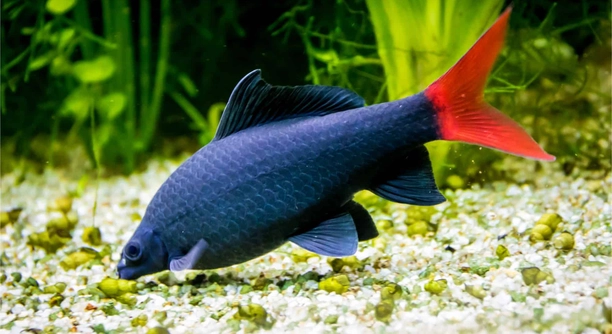
Is your Rainbow Shark acting strangely in the aquarium? Sometimes these fish show unusual behavior that can worry their owners. It’s important to understand what might be causing these changes in your pet’s habits.
Rainbow Sharks often act weird due to water quality issues, improper diet, stress from tank mates, inadequate tank size, or illness. Addressing these factors promptly can restore their normal behavior and improve their health.
Knowing how to fix these problems can help your Rainbow Shark feel better and thrive. This article will guide you through simple, effective solutions to common issues.
Check the Water Quality
Keeping your aquarium water clean is the first step when your Rainbow Shark starts acting strange. Poor water quality can cause stress and make your fish sick. Test the water regularly for ammonia, nitrite, and nitrate levels. High amounts of these chemicals can harm your fish. Also, check the pH level; Rainbow Sharks prefer a neutral to slightly acidic environment. Changing the water partially every week helps keep it fresh. Avoid overfeeding because leftover food can pollute the water quickly. Using a good filter and cleaning it regularly will improve the water quality. When water conditions are right, your Rainbow Shark will feel more comfortable and behave normally. Water that is too cold or too warm also causes problems, so keep the temperature stable between 72°F and 79°F. Paying attention to these details will make a big difference in your fish’s behavior and health.
Poor water conditions often explain why your Rainbow Shark acts differently or hides more than usual.
Regular water testing and maintenance prevent problems, ensuring a healthy environment that supports your fish’s well-being.
Provide a Balanced Diet
Rainbow Sharks need a balanced diet to stay healthy and active. Feeding them a mix of high-quality flakes, pellets, and occasional live or frozen foods gives them the nutrients they need. Avoid feeding only one type of food, as this can cause nutritional gaps. Vegetables like zucchini or peas can also be added for variety. Overfeeding is a common issue that can lead to poor water quality and health problems, so feed only what your fish can eat in a few minutes. Consistent feeding times help establish a routine. If your Rainbow Shark refuses food or acts lethargic, check its diet and feeding habits first. A balanced diet supports growth, color, and energy levels. Adjusting the diet according to their needs can quickly improve strange behavior and overall vitality. Ensuring they get the right nutrients is key to a happy fish.
Avoid Stressful Tank Mates
Rainbow Sharks can get stressed when kept with aggressive or overly active fish. Stress often causes them to hide or act unusually. Choose peaceful tank mates that don’t compete aggressively for food or territory.
Stress affects a Rainbow Shark’s immune system and behavior negatively. Keeping them with compatible fish helps maintain a calm environment. Avoid overcrowding the tank, as limited space adds to stress. Observing how your fish interact will guide you in selecting suitable companions.
Providing plenty of hiding spots and visual barriers reduces stress. Plants, caves, and decorations create spaces where your Rainbow Shark can retreat. A peaceful tank setup supports their well-being and encourages natural behavior.
Maintain Proper Tank Size
A tank that is too small can cause your Rainbow Shark to behave oddly. These fish need room to swim and establish territories. A minimum of 30 gallons is recommended for one Rainbow Shark.
Crowded tanks increase stress and aggression, leading to unhealthy behavior. Larger tanks allow better water quality management and reduce territorial disputes. Providing enough space helps your Rainbow Shark explore and stay active.
When upgrading to a bigger tank, plan the layout carefully. Include hiding spots and open swimming areas to mimic a natural environment. A proper tank size promotes health, reduces stress, and encourages normal activity.
Monitor for Illness
Illness can cause your Rainbow Shark to act differently or hide more often. Watch for signs like clamped fins, spots, or unusual swimming.
Early detection is key to successful treatment. Quarantine sick fish to prevent spreading disease to others.
Improve Tank Lighting
Proper lighting helps regulate your Rainbow Shark’s daily routine. Too much light can cause stress, while too little affects their activity.
Use a timer to provide consistent light and dark periods. Natural daylight cycles support healthy behavior and reduce erratic actions in your fish.
Keep the Tank Clean
Regular cleaning prevents waste buildup and harmful bacteria growth. Removing uneaten food and debris keeps the environment healthy for your Rainbow Shark.
Maintaining cleanliness reduces the risk of infections and keeps your fish comfortable and active.
FAQ
Why is my Rainbow Shark hiding all the time?
Hiding often happens when your Rainbow Shark feels stressed or unsafe. Poor water quality, aggressive tank mates, or lack of hiding spots can cause this behavior. Check the water parameters and tank setup. Adding plants, caves, or decorations gives your fish places to retreat, which helps reduce stress and encourages more active behavior.
How often should I change the water for my Rainbow Shark?
A weekly partial water change of about 20-30% is ideal. This keeps the water clean without shocking the fish. Frequent small changes help remove toxins like ammonia and nitrate, which build up from waste and uneaten food. Consistent water maintenance supports your Rainbow Shark’s health and prevents unusual behavior.
What should I feed my Rainbow Shark?
A balanced diet is important. Offer high-quality flakes or pellets designed for omnivorous fish. Supplement with live or frozen foods such as bloodworms or brine shrimp. Occasionally, add vegetables like zucchini or peas. Feed small amounts 1-2 times daily, only what the fish can eat within a few minutes to avoid overfeeding and water pollution.
Can Rainbow Sharks live with other fish?
Yes, but choose peaceful, non-aggressive species. Rainbow Sharks can be territorial, especially in small tanks, so avoid other bottom-dwellers that compete for space. Ideal tank mates include tetras, danios, and rasboras. Make sure the tank is large enough to reduce territorial disputes and stress.
What temperature is best for Rainbow Sharks?
Keep the water temperature between 72°F and 79°F (22°C to 26°C). Sudden changes in temperature can cause stress or illness. Use a reliable heater and thermometer to maintain stable conditions. Proper temperature supports your fish’s metabolism and activity levels.
How can I tell if my Rainbow Shark is sick?
Look for signs like loss of color, clamped fins, lethargy, rapid breathing, or unusual spots on the body. Erratic swimming or loss of appetite also indicate health problems. If you notice these symptoms, test the water quality and consider isolating the fish. Early treatment improves recovery chances.
Why does my Rainbow Shark nip at other fish?
Nipping is usually due to territorial behavior or stress. Overcrowding and lack of hiding places increase aggression. Ensure the tank is large enough and provide plenty of decorations to break sightlines. Sometimes, rearranging the tank layout helps reduce conflicts by disrupting established territories.
How large should the tank be for a Rainbow Shark?
A minimum of 30 gallons is recommended for one Rainbow Shark. Larger tanks are better if you plan to keep multiple fish or other species. A bigger tank reduces stress and aggression by providing enough swimming space and territories for all inhabitants.
What causes Rainbow Sharks to lose their color?
Color fading often results from poor water quality, stress, or illness. Lack of proper nutrition can also dull their colors. Maintaining clean water, feeding a balanced diet, and reducing stress from tank mates or environment helps restore vibrant coloration.
Is it normal for Rainbow Sharks to be active mostly at night?
Rainbow Sharks are naturally more active during dawn, dusk, and nighttime. They tend to hide or rest during the day, especially if the tank lighting is too bright. Providing dimmer lighting or shaded areas can encourage more daytime activity and make their behavior easier to observe.
Taking care of a Rainbow Shark means paying close attention to its environment and daily needs. These fish are sensitive to changes in water quality, tank size, and the company they keep. When your Rainbow Shark starts acting weird, it usually signals that something needs fixing. Whether it is the water, diet, tank mates, or tank setup, small changes can make a big difference. Maintaining clean water and a balanced diet helps keep your fish healthy and happy. Ensuring enough space and peaceful tank mates reduces stress and supports natural behavior.
Understanding your Rainbow Shark’s habits and preferences helps you spot problems early. Keeping the water temperature stable and providing proper lighting supports their well-being. Stress often causes many behavior issues, so creating a calm and safe environment is important. Adding hiding places and avoiding overcrowding makes your fish feel secure. Sometimes, health problems can cause strange behavior, so watch closely for signs of illness. Acting quickly by testing water, adjusting conditions, or consulting a vet can prevent serious problems.
Your Rainbow Shark’s behavior can improve significantly with regular care and attention. Simple steps like regular water changes, feeding a varied diet, and monitoring tank conditions go a long way. Being patient and observant allows you to respond to your fish’s needs better. When everything is right, your Rainbow Shark will show its bright colors and active personality. Taking these steps ensures your fish stays healthy and your aquarium remains a pleasant space for all its inhabitants.

Hello,
If you enjoy the content that we create, please consider saying a "Thank You!" by leaving a tip.
Every little bit helps us continue crafting quality advice that supports the health, happiness, and well-being of pets around the world, for pets of all shapes, sizes, and species.
We really appreciate the kindness and support that you show us!