
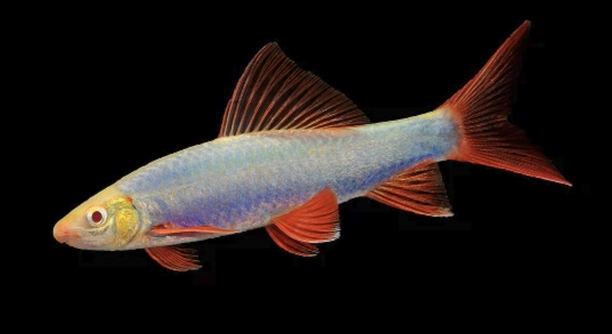
Is your rainbow shark spending most of its time hidden away, leaving you wondering if it’s feeling neglected or bored? These fish may not demand much, but attention and care still matter.
The best way to ensure your rainbow shark is getting enough attention is by providing an enriched environment, regular feeding routines, and occasional interaction. Consistent care encourages healthy behavior and helps prevent stress-related issues in these territorial fish.
Understanding your rainbow shark’s needs can lead to a more active, engaged fish and a more enjoyable aquarium experience for you.
Provide a Stimulating Environment
A rainbow shark needs an environment that keeps it active and alert. Large tanks with hiding spots, plants, caves, and smooth rocks are important. These elements help mimic their natural surroundings and allow them to explore freely. A dull or empty tank can cause them to lose interest or become aggressive. Include enough space so they aren’t feeling confined, especially if other fish share the tank. Try changing the layout every few months to spark curiosity. Soft lighting and strong filtration also support their natural behavior. Avoid decorations with sharp edges that can harm their body or fins. Keep a moderate water current, as rainbow sharks are used to flowing water in the wild. When they feel mentally and physically engaged, they are less likely to be stressed or hide for long periods. Regular maintenance of the tank helps maintain stable conditions that support their activity and attention levels.
They are more likely to interact with their surroundings when they have options for movement, hiding, and exploration.
A clean and organized tank also plays a role in keeping your rainbow shark active. Too much clutter or poor water quality can make them withdraw. Stick to a regular cleaning schedule, and test the water weekly for ammonia, nitrite, and pH levels.
Maintain a Consistent Feeding Routine
Feeding your rainbow shark at regular times each day helps build familiarity and connection.
Rainbow sharks respond well to patterns. Feeding them on a consistent schedule builds trust and keeps them engaged with you. Offer a variety of food including high-quality sinking pellets, frozen bloodworms, and vegetable matter like blanched spinach or zucchini. Avoid overfeeding—small portions twice a day are usually enough. Watch how they eat and react. If they swim toward the food and stay visible during feeding, it’s a good sign they are paying attention and feel comfortable. Use feeding as an opportunity to observe them. A sudden loss of appetite or hiding during meal times could be a sign of stress, illness, or poor water conditions. Over time, your rainbow shark may even start to recognize your presence and associate it with feeding, making the interaction more personal. This small routine not only ensures proper nutrition but also encourages your fish to be more active and responsive.
Limit Tank Mates
Rainbow sharks can be territorial, especially in smaller tanks. Too many tank mates or the wrong kind can stress them out and make them hide more. Stick to peaceful species that stay out of their way. Avoid bottom dwellers, since they’ll compete for the same space.
Choose tank mates that swim in the upper or middle levels of the tank, like barbs or danios. These types of fish usually don’t challenge the rainbow shark’s space, which helps reduce tension. Keep the tank size in mind—55 gallons or more is ideal if you’re adding other fish. Monitor how your rainbow shark behaves around new additions. If they start chasing or showing signs of aggression, you may need to rearrange the tank or remove certain fish. Giving them clear boundaries and space helps them feel secure. When they feel safe, they’re more likely to interact with their surroundings and become more active.
Avoid adding other rainbow sharks or similar-shaped fish. They may see these as threats and become aggressive. Too much tension in the tank can cause stress and make your rainbow shark withdraw. Instead, choose calm fish that are fast and can avoid confrontation if needed.
Keep a Regular Light Cycle
Too much or too little light can disrupt your rainbow shark’s routine. Aim for about 8–10 hours of light per day, using a timer to keep things consistent. This helps regulate their behavior and encourages natural activity levels.
A steady light cycle gives your rainbow shark a sense of time, similar to how natural daylight works. Sudden changes in lighting or leaving the tank in the dark for long periods can make them anxious or inactive. Use a soft aquarium light and avoid placing the tank near windows to prevent unwanted light fluctuations. If your shark becomes more active when the lights are on, that’s a good sign it’s responding well to the routine. Darkness should be gradual too—consider using dim lighting before turning lights off completely. Over time, a predictable lighting pattern can improve their overall mood and interaction with the tank. It’s a simple step that helps maintain stability.
Observe Daily Behavior
Watch how your rainbow shark behaves at different times of the day. This helps you notice any changes early, like hiding more than usual or avoiding food. Sudden shifts in behavior often mean something in the tank needs attention.
Daily observation builds a quiet connection. You’ll start to notice their habits—where they rest, when they swim, and how they respond to movement. These patterns show you what feels normal for your fish.
Keep Noise and Movement Low
Rainbow sharks are sensitive to loud sounds and sudden movements near their tank. Too much activity can cause them to hide or become stressed. Place the tank in a calm area of your home, away from foot traffic or speakers. Keep their space peaceful so they feel secure.
Avoid Overhandling
Rainbow sharks don’t need or want physical interaction. Avoid netting or moving them unless absolutely necessary. Handling can cause stress and harm their slime coat, which protects them. Let them get used to your presence from outside the tank.
FAQ
How can I tell if my rainbow shark is stressed?
A stressed rainbow shark may hide more than usual, lose interest in food, or act aggressively toward other fish. You might notice it swimming frantically, rubbing against decorations, or staying still in one spot for long periods. Faded coloring is another common sign. Check for changes in water quality, lighting, tank layout, or the behavior of tank mates. A sudden change in any of these areas can throw off your rainbow shark’s sense of safety. Watching your fish daily helps you recognize what’s normal and what might signal stress or discomfort.
Do rainbow sharks recognize their owners?
They may not form bonds like a dog or cat, but rainbow sharks can become familiar with your presence over time. If you feed them at the same times and stand in the same spot, they might swim closer or come out from hiding when you approach. This shows that they’ve made a connection between you and positive events, like feeding or calm interaction. However, they are still solitary by nature, so don’t expect playful behavior. Keeping a regular routine will help them feel more at ease when you’re nearby.
What tank size is best for one rainbow shark?
A single rainbow shark should have a tank of at least 50 to 55 gallons. While they’re not extremely large, they are very active and territorial. A small tank limits their movement and makes them feel confined, which can lead to aggression or stress. Larger tanks also give you more flexibility to add caves, plants, and decorations that keep them stimulated. If you plan to add any other fish, the tank should be even bigger—around 75 gallons or more—to give everyone space to avoid conflicts.
What types of food should I feed my rainbow shark?
Offer a variety of foods to keep your rainbow shark healthy and active. Sinking pellets should be the main part of their diet. You can also include frozen or live options like bloodworms, brine shrimp, or daphnia a few times a week. Don’t forget to add vegetables—blanched spinach, zucchini, or cucumber slices are good choices. Avoid overfeeding by giving them just what they can finish in a few minutes, once or twice a day. A mix of protein and plant-based foods supports their energy and color.
Can rainbow sharks live with other bottom dwellers?
It’s usually not a good idea. Rainbow sharks are very territorial and don’t like sharing the bottom space of the tank. Other bottom dwellers, like loaches or catfish, might be seen as threats. This can lead to chasing, fighting, or constant stress for both fish. If you really want other tank mates, choose peaceful species that stay higher in the water column and don’t bother the rainbow shark. Make sure there are plenty of hiding spots and space to reduce the chance of conflict.
Why is my rainbow shark hiding all the time?
Hiding can mean your rainbow shark is stressed or doesn’t feel secure. Common causes include poor water conditions, too much noise, a lack of hiding spots, or being placed with the wrong tank mates. They may also hide more if the tank lighting is too bright or if their territory is being invaded. Sometimes, they just need a few days to settle in, especially in a new tank. Try to keep the environment calm and give them time to adjust.
Can I keep more than one rainbow shark?
It’s not recommended. Rainbow sharks are known to fight with their own kind, especially in smaller tanks. Unless you have a very large tank with plenty of barriers and separate spaces, two rainbow sharks will likely become aggressive toward each other. It’s best to keep just one per tank.
How often should I clean the tank?
Perform partial water changes weekly—usually about 25%. Clean algae from surfaces and vacuum the substrate during these changes. A full clean isn’t necessary unless there’s a serious problem. Keeping the water clean and the environment stable helps prevent illness and keeps your rainbow shark more active and responsive.
Final Thoughts
Caring for a rainbow shark takes a mix of attention, consistency, and patience. These fish are unique in how they behave and interact with their environment. They may not need as much attention as some pets, but they still benefit from daily care and observation. When their tank is clean, their routine is stable, and their surroundings are calm, they are more likely to stay active, healthy, and visible. Even small changes, like a new decoration or a slight shift in the light cycle, can affect how your rainbow shark feels. That’s why it helps to keep things steady while also giving them enough stimulation to stay curious.
Rainbow sharks don’t usually form strong bonds, but they do respond to structure. Simple routines like feeding them at the same time each day and keeping their tank environment consistent can go a long way. This helps them feel more secure, which reduces stress and aggression. Being mindful of tank mates and choosing peaceful, non-intrusive fish will also make a big difference. Watching their behavior daily lets you catch changes early, which can prevent health problems. They won’t always be active or visible, but when conditions are right, they’ll show their best colors and personality.
In the end, making sure your rainbow shark gets enough attention isn’t about interacting with them all the time. It’s about setting up and maintaining a space that supports their natural behavior. This includes enough room to move, proper lighting, quiet surroundings, and food that meets their needs. If you treat them with care and respect their space, they’ll respond in quiet but noticeable ways. You might see them come out more, explore the tank, or react to your presence. These small signs show that they’re healthy and aware of their environment. With the right setup and regular care, your rainbow shark can live a calm, active life for many years.

Hello,
If you enjoy the content that we create, please consider saying a "Thank You!" by leaving a tip.
Every little bit helps us continue crafting quality advice that supports the health, happiness, and well-being of pets around the world, for pets of all shapes, sizes, and species.
We really appreciate the kindness and support that you show us!