
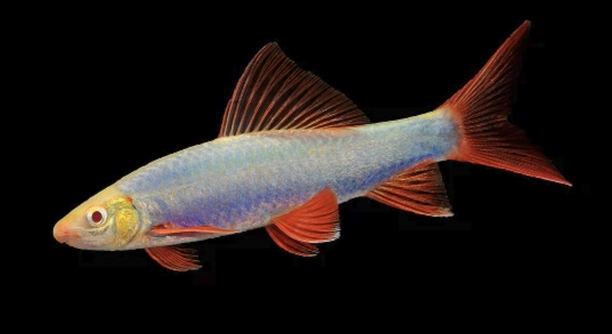
Rainbow Sharks are popular freshwater fish known for their striking colors and active behavior. While they can add life to an aquarium, their temperament sometimes causes challenges with other tankmates. Recognizing signs of aggression early can help maintain a peaceful tank environment.
Rainbow Sharks exhibit aggression through behaviors such as chasing, nipping, or territorial displays toward other fish. Excessive aggression can stress or harm tankmates, disrupting the balance and health of the aquarium community. Proper observation is essential to identify these signs promptly.
Knowing how to spot aggression in your Rainbow Shark can prevent conflicts and protect your aquatic pets. This article highlights key behaviors to watch for and offers insight into managing a harmonious tank.
Signs of Chasing and Nipping
Rainbow Sharks often chase other fish around the tank, which can create a stressful environment. This behavior may start subtly but tend to escalate if ignored. You might notice your tankmates hiding more or appearing injured. Nipping at fins is another clear sign of aggression. These small bites can lead to damaged fins and infections if left untreated. It’s important to observe how often these behaviors occur and which fish are affected. If your Rainbow Shark spends a lot of time chasing or biting others, it is likely too aggressive for the current tank setup. Adjusting the tank size, adding hiding spaces, or separating aggressive individuals can reduce this behavior.
Chasing and fin nipping disrupts the peace in your aquarium and can harm your other fish physically and emotionally.
Creating a balanced tank means providing enough space and hiding spots for all fish. Consider tank size and compatibility before introducing a Rainbow Shark. Sometimes, aggression results from overcrowding or stress. Introducing more plants or decorations can break lines of sight and reduce territorial disputes. If the behavior persists, relocating the Rainbow Shark to a species-only tank may be necessary to protect other fish and ensure a healthier environment for all.
Territorial Displays and Aggression
Rainbow Sharks establish territories and defend them vigorously against intruders. This behavior includes flaring fins, charging, and blocking access to certain tank areas.
Territorial aggression can lead to constant stress for other fish, especially in smaller tanks. Keeping the tank spacious and well-structured helps minimize this behavior. If aggressive displays continue, separating the aggressive fish might be the best option to maintain tank harmony.
Aggression During Feeding Time
Rainbow Sharks often become more aggressive when food is involved. They may chase or nip at other fish to secure the best feeding spots. This behavior can cause stress and limit access to food for less aggressive tankmates.
Feeding aggression is common in Rainbow Sharks because they are naturally competitive eaters. If multiple fish compete for the same food, the Rainbow Shark may act aggressively to dominate the area. Feeding smaller amounts more frequently can help reduce competition. Using feeding rings or spreading food evenly across the tank can also prevent one fish from controlling all the food. Monitoring feeding behavior closely is important to ensure all fish receive enough nutrition without ongoing conflicts.
If feeding aggression remains a problem, consider feeding the Rainbow Shark separately for short periods. This can prevent constant stress and help maintain peace during mealtimes.
Damage to Tankmates’ Fins and Scales
Physical damage to other fish is a clear sign of aggression. Torn fins, missing scales, and wounds are common injuries caused by Rainbow Sharks showing excessive hostility.
Fish with damaged fins or scales may suffer from infections or slower healing due to stress. This can lead to a decline in overall health and even death if untreated. Maintaining good water quality and treating injuries promptly is essential. Watching for repeated attacks on the same fish helps identify the aggressive individual. In some cases, adjusting the tank environment or removing the aggressive fish may be necessary to protect weaker tankmates and prevent further injuries.
Increased Hiding and Stress
When a Rainbow Shark is too aggressive, other fish often hide more than usual. Constant stress from chasing and attacks can cause tankmates to become withdrawn and less active.
Prolonged stress weakens fish immune systems, making them vulnerable to disease. This can affect the entire tank’s health if left unchecked.
Signs of Overcrowding
Overcrowded tanks worsen aggression in Rainbow Sharks. Limited space increases territorial disputes and competition for resources. Providing ample room and proper tank mates helps reduce conflicts.
Changes in Rainbow Shark Behavior
If your Rainbow Shark suddenly becomes more aggressive, changes in environment or tank conditions may be a factor. Stressors like poor water quality or new tankmates can trigger these behaviors.
FAQ
How can I tell if my Rainbow Shark is too aggressive?
Aggressive Rainbow Sharks often chase or nip other fish frequently. You might notice torn fins or injured tankmates. They may also guard certain areas fiercely, displaying territorial behavior. If your other fish hide often or seem stressed, these are signs the Rainbow Shark’s behavior is a problem.
What causes aggression in Rainbow Sharks?
Aggression usually comes from territorial instincts or competition for food and space. Overcrowded tanks or lack of hiding spots can make this worse. Changes in water quality or adding new fish may increase stress and aggressive behavior as well.
Can tank size affect aggression?
Yes, tank size plays a major role. Rainbow Sharks need enough room to establish territories without constant confrontation. A small or overcrowded tank forces fish into close quarters, which often leads to fights and chasing.
How do I reduce aggression during feeding?
Feed your fish smaller portions multiple times a day instead of one big meal. Spread food across different spots or use a feeding ring to keep the Rainbow Shark from dominating one area. This helps all fish get enough food without conflict.
Is it okay to keep Rainbow Sharks with other fish?
They can live with peaceful, fast-swimming species that occupy different tank levels. Avoid slow or long-finned fish, as they may become targets. Adding plenty of plants and hiding spots also reduces stress and territorial fights.
What if my Rainbow Shark injures other fish?
Monitor the injured fish closely and treat any wounds promptly. If the aggression is severe, consider separating the Rainbow Shark into its own tank. Protecting weaker fish helps maintain a healthy aquarium overall.
Can adding decorations help reduce aggression?
Yes, decorations, plants, and caves break lines of sight and create territories. This reduces constant chasing and gives shy fish places to hide. Rearranging the tank layout occasionally also keeps territorial boundaries less defined.
When should I consider removing my Rainbow Shark?
If aggression persists despite changes to tank size, environment, and feeding routine, removal may be necessary. Protecting all your fish’s wellbeing should come first. A species-only tank for the Rainbow Shark might be a better option.
How do water conditions impact behavior?
Poor water quality stresses fish and can make aggression worse. Regular testing and maintenance of water parameters keep fish healthy and calmer. Stable temperatures and clean water reduce stress-related aggression.
Can introducing new fish increase aggression?
Yes, new fish can upset established territories. The Rainbow Shark may see newcomers as threats and act aggressively. Quarantining new fish and adding them slowly helps reduce sudden aggression spikes.
Final thoughts on managing aggression in Rainbow Sharks focus on careful observation and proactive care. These fish can be beautiful additions to an aquarium but may show aggressive behavior that affects other tankmates. Paying close attention to how your Rainbow Shark interacts with other fish is key. Signs such as chasing, nipping, or guarding territories should not be ignored. Early recognition of these behaviors allows you to take steps to improve the tank environment or adjust your care routine before serious harm occurs. Taking time to learn about your fish’s habits will help maintain a peaceful and healthy aquarium.
Creating the right environment is essential to reducing aggression. Providing enough space is one of the most important factors, as overcrowding can quickly lead to stress and fighting. Including plants, decorations, and hiding spots allows fish to escape or establish territories without constant confrontation. Feeding habits also play a role; spreading food around and offering smaller, frequent meals can prevent competition during feeding time. Maintaining clean water and stable conditions supports overall fish health, which lowers stress and aggressive tendencies. Sometimes, even with all these steps, certain Rainbow Sharks may still be too aggressive for a mixed tank. In those cases, separating the fish may be necessary to protect your other pets.
Understanding your Rainbow Shark’s behavior and needs helps you make better decisions for your aquarium. Aggression is a natural trait but can be managed with thoughtful care and observation. Adjusting the tank setup, feeding routine, and fish companions can create a more balanced environment for all. If aggression becomes severe, choosing to house the Rainbow Shark separately is a responsible choice. Taking these steps ensures your aquarium remains a healthy, calm space where all fish can thrive. This approach will lead to a better experience for both you and your aquatic pets.

Hello,
If you enjoy the content that we create, please consider saying a "Thank You!" by leaving a tip.
Every little bit helps us continue crafting quality advice that supports the health, happiness, and well-being of pets around the world, for pets of all shapes, sizes, and species.
We really appreciate the kindness and support that you show us!