
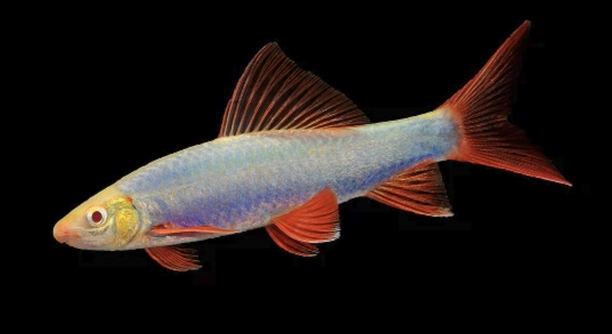
Rainbow sharks are popular aquarium fish known for their striking colors and peaceful nature. Keeping them healthy requires understanding common causes of illness. This article covers seven reasons why your rainbow shark might be sick and how to address each problem.
Rainbow shark sickness often results from poor water quality, inadequate diet, stress, infections, parasites, injuries, or environmental changes. Treating these issues involves improving tank conditions, providing proper nutrition, using medication when needed, and reducing stressors to promote recovery.
Knowing these causes and treatments helps maintain your fish’s health and ensures a thriving aquarium. The following details will guide you in recognizing and managing rainbow shark sickness effectively.
Poor Water Quality
Poor water quality is one of the most common causes of illness in rainbow sharks. Fish are very sensitive to changes in their environment, and harmful chemicals such as ammonia, nitrites, and nitrates can build up quickly in a tank. Without proper filtration and regular water changes, these toxins stress fish and weaken their immune systems. Cloudy or smelly water is often a sign of poor water quality. Additionally, incorrect pH levels or temperature fluctuations can also cause stress and sickness. Keeping the water clean, well-filtered, and stable in temperature helps prevent many health issues. Regular testing and maintenance are essential for a healthy aquarium.
Maintaining clean water prevents many diseases. Test water weekly and change 20-30% regularly to keep your rainbow shark healthy.
To ensure water quality, invest in a good filter rated for your tank size. Use water conditioners to remove chlorine and harmful chemicals before adding new water. Monitor temperature daily and avoid sudden changes. Quarantine new fish to prevent introducing diseases. Proper water management supports your rainbow shark’s immune system and reduces the risk of infection or stress-related illnesses. This effort will keep your tank safe and your fish active and vibrant.
Inadequate Diet
A poor diet can lead to malnutrition and weaken your rainbow shark’s health. Rainbow sharks need a balanced diet rich in protein, vitamins, and minerals to stay strong and resist diseases. Feeding only flakes or pellets is often not enough. Supplementing with live or frozen foods like bloodworms, brine shrimp, or vegetables like zucchini provides essential nutrients. Overfeeding or feeding too little can also cause problems such as obesity or weakened immunity. A proper feeding schedule and varied diet are important for their growth and overall health. Watch for signs of poor nutrition, such as faded colors, lethargy, or weight loss, and adjust their diet accordingly.
Stress
Stress weakens a rainbow shark’s immune system, making it more vulnerable to sickness. Common stressors include overcrowding, aggressive tank mates, sudden changes in environment, and poor water conditions.
Overcrowding limits swimming space and can cause territorial disputes. Aggressive fish may nip fins or chase the rainbow shark, increasing stress. Sudden changes, such as moving the fish to a new tank or abrupt shifts in temperature and water chemistry, also cause distress. Stress reduces appetite and energy, slowing recovery from illness. Creating a calm environment with suitable tank mates and stable conditions helps reduce stress. Proper tank size and hiding spots can make a big difference in the fish’s wellbeing.
To reduce stress, avoid overcrowding and choose compatible tank mates. Keep water parameters stable and maintain a consistent feeding routine. Provide places for the fish to hide and rest. These steps support your rainbow shark’s health by reducing stress-related illnesses.
Parasitic Infections
Parasites like ich or flukes are common causes of sickness in rainbow sharks. They irritate the skin and gills, leading to scratching, lethargy, and breathing difficulties.
Treatment usually requires medicated baths or adding specific anti-parasitic medication to the tank. Early detection improves the chances of recovery. Maintaining good water quality helps prevent parasite outbreaks by reducing fish stress and boosting immunity.
Parasites spread easily in crowded or unclean tanks. Quarantine new fish before introducing them to the main aquarium to avoid infections. Clean the tank regularly and remove leftover food and waste. Prompt treatment is essential to stop parasites from multiplying and causing serious harm. By acting quickly and maintaining a clean environment, you can protect your rainbow shark from these common threats.
Injuries
Injuries can happen from sharp objects, rough tank decorations, or aggressive tank mates. Open wounds increase the risk of infections and slow healing.
Remove any hazardous items from the tank. Treat wounds with antibacterial medications and keep the water clean to support healing.
Environmental Changes
Sudden changes in temperature, pH, or water hardness stress rainbow sharks and can cause illness. Stability in the tank environment is essential for their health.
Maintaining consistent water parameters prevents shock and supports the fish’s immune system. Avoid rapid changes by making adjustments slowly and carefully monitoring the tank conditions.
Bacterial Infections
Bacterial infections often develop from untreated injuries or poor water conditions. Symptoms include redness, swelling, and lethargy. Treatment involves antibiotics and improved tank hygiene to stop infection spread.
What are the first signs of sickness in a rainbow shark?
Early signs include loss of appetite, hiding more than usual, faded colors, and slow movement. You might also notice the fish rubbing against surfaces or having clamped fins. Watching your rainbow shark’s daily behavior closely helps catch illness early, making treatment easier and more effective.
How often should I clean the tank to prevent sickness?
Cleaning 20-30% of the water weekly and removing uneaten food and waste daily keeps the tank environment healthy. Proper filtration and regular water testing are also important. Consistent maintenance reduces harmful toxins and supports your fish’s immune system.
Can diet alone keep my rainbow shark healthy?
Diet is crucial but not the only factor. A balanced diet with protein, vegetables, and occasional live or frozen food supports health. However, good water quality, low stress, and proper tank conditions are equally important to prevent illness.
How can I treat parasitic infections in my rainbow shark?
Parasitic infections often require anti-parasitic medications added to the tank or used in baths. Quarantining infected fish and maintaining clean water also help. Follow medication instructions carefully and monitor the fish for improvement. Early treatment improves recovery chances.
Is it necessary to quarantine new fish?
Yes, quarantining new fish for at least two weeks helps prevent introducing diseases or parasites into your main tank. This step protects your rainbow shark and other tank mates by allowing time to observe and treat any health issues before mixing fish.
What should I do if my rainbow shark is injured?
Remove any sharp or rough objects that caused the injury. Treat wounds with antibacterial fish medicine and keep water clean to avoid infection. Monitor the fish for signs of recovery or worsening conditions and act quickly if infection appears.
Can stress alone cause sickness in rainbow sharks?
Stress weakens the immune system, making fish more susceptible to diseases. Causes include overcrowding, aggressive tank mates, or sudden environmental changes. Minimizing stress by maintaining stable conditions and compatible tank mates reduces illness risk.
How important is water temperature for rainbow shark health?
Maintaining a stable temperature between 72°F and 79°F is essential. Sudden temperature changes can cause shock and stress, leading to illness. Use a reliable heater and thermometer to monitor and keep the temperature steady.
When should I use antibiotics for my rainbow shark?
Antibiotics are useful for bacterial infections but should be used only when necessary. Overuse can harm beneficial bacteria in the tank. Consult with a vet or aquatic specialist before starting treatment and follow dosage instructions carefully.
What are common causes of cloudy water and how does it affect my fish?
Cloudy water often results from overfeeding, poor filtration, or excess waste. It reduces oxygen levels and increases toxins, stressing fish and encouraging disease. Regular cleaning, proper feeding, and good filtration help keep water clear and safe.
How can I boost my rainbow shark’s immune system?
A balanced diet, clean water, low stress, and proper tank conditions all support a strong immune system. Avoid overcrowding and sudden changes in the environment. Healthy fish are better able to resist infections and recover from illness.
Is it safe to mix rainbow sharks with other fish?
Rainbow sharks can be territorial, especially in small tanks. Choose peaceful, similarly sized tank mates and provide plenty of hiding places. Avoid aggressive or very small fish to prevent stress and injury. Proper stocking helps maintain harmony and health.
What role does pH play in rainbow shark health?
Rainbow sharks thrive in water with a pH between 6.5 and 7.5. Deviations can stress fish and reduce their ability to fight disease. Regularly test pH and adjust slowly if needed to maintain a stable environment.
How long can rainbow sharks live if kept healthy?
With proper care, rainbow sharks typically live 5 to 8 years. Good water quality, balanced diet, and stress reduction contribute to their longevity. Regular monitoring and prompt treatment of health issues also improve lifespan.
What is the best way to introduce medication to an aquarium?
Remove activated carbon from filters, as it absorbs medications. Follow the medication instructions closely, dosing the correct amount based on tank volume. Aerate the water well and avoid sudden water changes during treatment to maximize effectiveness.
These answers provide practical guidance to maintain your rainbow shark’s health and address common concerns efficiently. Maintaining a clean, stable tank and paying attention to your fish’s behavior can prevent many problems before they start.
Taking care of a rainbow shark requires attention to several important factors. The health of these fish depends largely on the environment they live in. Clean, well-maintained water is crucial because poor water quality can lead to many health problems. Regular water testing and partial water changes help keep harmful substances like ammonia and nitrites at safe levels. It is also important to keep the water temperature and pH stable, as sudden changes can stress the fish and weaken its immune system. Stress makes rainbow sharks more vulnerable to diseases, so avoiding overcrowding and choosing compatible tank mates is necessary to keep them calm and healthy.
Feeding your rainbow shark a balanced diet is equally important. They need a variety of foods that provide the nutrients required for growth and disease resistance. Simply feeding flakes or pellets may not be enough. Adding live or frozen foods like bloodworms or brine shrimp helps supply essential proteins and vitamins. Overfeeding should be avoided, as it can pollute the water and cause health problems. Observing your fish’s eating habits and physical condition helps ensure that the diet is appropriate. Proper nutrition combined with a clean, stable environment supports the fish’s overall well-being and helps prevent many common illnesses.
Treating rainbow shark sickness requires quick action once symptoms are noticed. Identifying the cause—whether it is poor water quality, parasites, injuries, or stress—is important to choose the right treatment. Medications may be needed for infections or parasites, but prevention through good tank management is the best approach. Removing sharp objects, quarantining new fish, and providing hiding places reduce the chance of injury and stress. Maintaining a healthy aquarium takes consistent effort, but it greatly improves the chance that your rainbow shark will live a long, healthy life. Following these guidelines helps keep your fish active and vibrant, ensuring they remain a beautiful addition to your tank.

Hello,
If you enjoy the content that we create, please consider saying a "Thank You!" by leaving a tip.
Every little bit helps us continue crafting quality advice that supports the health, happiness, and well-being of pets around the world, for pets of all shapes, sizes, and species.
We really appreciate the kindness and support that you show us!