
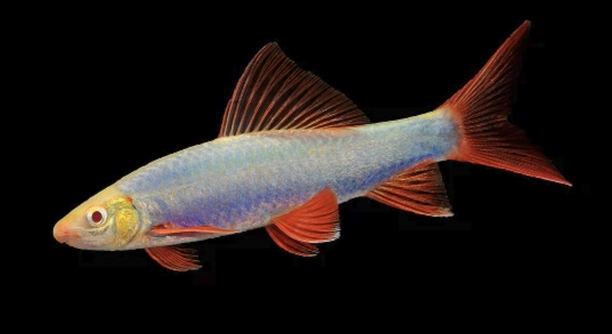
Rainbow sharks are popular freshwater fish admired for their vibrant colors and sleek shape. They are often kept in home aquariums, but some owners notice aggressive behavior. Understanding what causes this aggression can help maintain a peaceful tank environment.
Rainbow shark aggression is usually triggered by territorial disputes, overcrowding, inadequate hiding spaces, improper diet, poor water conditions, stress, and incompatible tank mates. Addressing these causes through proper tank management and care reduces aggression effectively.
Learning how to handle aggression improves the well-being of your fish and creates a balanced aquarium. This article explains the main causes and practical ways to manage them.
Territorial Disputes
Rainbow sharks are naturally territorial fish. In smaller tanks or overcrowded environments, they tend to defend their space aggressively. When another fish enters their territory, they may chase or nip at it. This behavior is a survival instinct but can become problematic in home aquariums. Providing enough space and visual barriers can reduce territorial aggression. Decorations, plants, and rocks help create distinct zones. This allows each fish to feel secure in its own area. Tank size also matters; a minimum of 30 gallons is recommended for rainbow sharks. Proper tank layout and sufficient space reduce stress and fighting among tank mates.
Territorial aggression increases in tanks that lack hiding spots or are too small. Ensuring adequate space and creating separate territories can help calm the fish.
Careful tank design and monitoring interactions between fish improve harmony. Introducing compatible species and avoiding overcrowding are essential. Regular observation helps catch early signs of stress or aggression, allowing prompt adjustments.
Overcrowding and Stress
Overcrowding is a major stress factor for rainbow sharks. Too many fish in one tank leads to competition for food, space, and oxygen. This causes stress and increases aggressive behavior. Stress weakens the immune system, making fish more vulnerable to disease. Proper stocking levels are necessary to keep the tank environment healthy. It is best to follow recommended guidelines based on tank size and species. Overcrowded tanks should be adjusted by removing excess fish or upgrading to a larger aquarium. Stress can also come from sudden changes like water quality shifts, loud noises, or frequent disturbances. Keeping a stable environment with clean water and minimal disruption reduces stress and aggressive tendencies in rainbow sharks.
Stress caused by overcrowding often results in constant chasing or hiding. It is important to keep peace by managing fish numbers and tank conditions carefully. A calm environment promotes healthy behavior and improves the fish’s quality of life. Regular water testing and maintenance contribute to a stress-free habitat.
Inadequate Hiding Spaces
Rainbow sharks need hiding spots to feel secure and reduce aggression. Without enough places to retreat, they become stressed and territorial. Adding caves, plants, and decorations creates safe zones for them.
Providing proper hiding spaces helps balance the tank’s social dynamics. It allows fish to escape conflict and reduces stress-related aggression. When hiding spots are limited, dominant fish may bully others more frequently, which can lead to injuries or constant stress. Fish that cannot find shelter may spend more time hiding in corners or under decorations, showing signs of anxiety. Including a variety of hiding places in the aquarium promotes a calmer environment. This simple adjustment can make a significant difference in reducing aggressive behavior.
Hiding spots also encourage natural behavior, making your rainbow sharks feel more at home. This contributes to their overall well-being and longevity.
Improper Diet
Feeding rainbow sharks an unbalanced diet can increase aggression. Poor nutrition affects their health and behavior. A varied diet including pellets, live or frozen foods is essential. Overfeeding can cause water quality issues, indirectly promoting aggression.
Rainbow sharks require a diet rich in protein and nutrients to maintain their health and reduce stress. Feeding them only one type of food or neglecting their dietary needs leads to frustration and aggressive behavior. Including a mix of sinking pellets, bloodworms, and brine shrimp supports their natural feeding habits. It also prevents boredom, which can contribute to aggression. Proper feeding schedules help maintain water quality by avoiding excess waste that pollutes the tank. Clean water supports calmer fish and limits stress triggers. Monitoring food intake and adjusting portions based on fish size and activity levels helps maintain balance. A well-fed rainbow shark is less likely to compete aggressively for food.
Poor Water Conditions
Dirty water causes stress and aggression in rainbow sharks. High ammonia, nitrite, or nitrate levels disrupt their health and behavior. Regular water changes and filtration are crucial to maintain water quality.
Maintaining stable water parameters helps reduce stress-related aggression. Test water weekly and adjust as needed. Clean tanks support calmer, healthier fish.
Stress from Tank Mates
Some fish species provoke rainbow sharks, increasing aggression. Avoid keeping them with overly aggressive or very timid fish. Choose compatible tank mates for a peaceful environment.
Lack of Space
Rainbow sharks need room to swim and explore. A cramped tank raises stress and triggers territorial behavior. A minimum of 30 gallons is recommended for one fish.
Handling Aggression
Consistent tank maintenance and monitoring behavior help manage aggression effectively.
FAQ
What causes rainbow sharks to be aggressive?
Rainbow sharks become aggressive mainly due to territorial behavior, overcrowding, poor water conditions, lack of hiding places, stress from incompatible tank mates, and improper diet. These factors trigger defensive or competitive behavior as the fish try to protect their space or resources.
How can I reduce territorial aggression in my rainbow shark tank?
Provide enough space by using a tank of at least 30 gallons. Arrange decorations, plants, and rocks to create separate zones for the fish. This gives them room to claim their own territory, reducing conflicts. Avoid overcrowding and introduce compatible tank mates.
Why is overcrowding a problem for rainbow sharks?
Too many fish in a small tank cause competition for food, oxygen, and space. This raises stress levels and triggers aggression. Overcrowding also lowers water quality, which further harms fish health and behavior. Proper stocking and regular maintenance are essential.
What types of hiding places work best for rainbow sharks?
Caves, dense plants, and rock formations provide ideal hiding spots. These allow shy or stressed fish to retreat and feel safe. Offering multiple hiding areas helps distribute fish and minimizes aggressive encounters.
How often should I test and change the water?
Water should be tested weekly for ammonia, nitrite, nitrate, and pH levels. Partial water changes of 20-30% once a week help maintain good water quality. This keeps the environment stable and reduces aggression caused by stress.
Can diet influence aggression in rainbow sharks?
Yes. A balanced diet with pellets, live or frozen foods like bloodworms and brine shrimp supports health and reduces stress. Overfeeding or feeding only one type of food can cause nutrient deficiencies and water pollution, increasing aggression.
Are all fish compatible with rainbow sharks?
No. Avoid overly aggressive or very timid species. Rainbow sharks do best with semi-aggressive, similarly sized fish that occupy different tank levels. Compatibility lowers stress and aggressive behavior.
What signs show my rainbow shark is stressed or aggressive?
Signs include constant chasing, nipping at other fish, hiding frequently, and sudden changes in color or appetite. Early detection allows you to adjust tank conditions before serious harm occurs.
Can increasing tank size help with aggression?
Yes. Larger tanks provide more space for territory and reduce encounters that cause fights. A minimum of 30 gallons per rainbow shark is recommended for a peaceful environment.
What should I do if aggression persists despite changes?
Consider separating the aggressive fish temporarily or permanently. Monitor for injuries and maintain optimal tank conditions. Consulting an experienced aquarist or vet may help identify specific issues.
Final Thoughts
Rainbow shark aggression is a common issue many aquarium owners face. This behavior mainly results from natural instincts, environmental factors, and care practices. Understanding the causes helps in managing aggression and maintaining a peaceful tank. By paying attention to tank size, water quality, diet, and tank mates, owners can create a healthier environment that reduces stress and fighting. Simple changes like adding hiding spots or reducing overcrowding often lead to big improvements. Consistent care and observation are key to preventing and controlling aggressive behavior in rainbow sharks.
Proper tank setup plays a crucial role in managing aggression. Rainbow sharks need enough space to establish their territory without constant confrontation. A well-decorated tank with caves, plants, and other hiding places provides safe retreats. This setup lowers tension among fish and encourages natural behavior. Maintaining good water conditions by regular testing and water changes supports their health and reduces stress. Feeding a balanced diet keeps them healthy and less likely to compete aggressively for food. Together, these factors help create a stable environment where rainbow sharks can thrive calmly.
Dealing with aggression requires patience and attention to detail. Some fish may naturally be more territorial or active, so it is important to monitor their behavior regularly. If aggression persists despite efforts, separating fish or adjusting the tank population might be necessary. Overall, understanding and meeting the needs of rainbow sharks is essential to their well-being. Taking these steps ensures a more enjoyable experience for both the fish and the owner, resulting in a peaceful, balanced aquarium.

Hello,
If you enjoy the content that we create, please consider saying a "Thank You!" by leaving a tip.
Every little bit helps us continue crafting quality advice that supports the health, happiness, and well-being of pets around the world, for pets of all shapes, sizes, and species.
We really appreciate the kindness and support that you show us!