
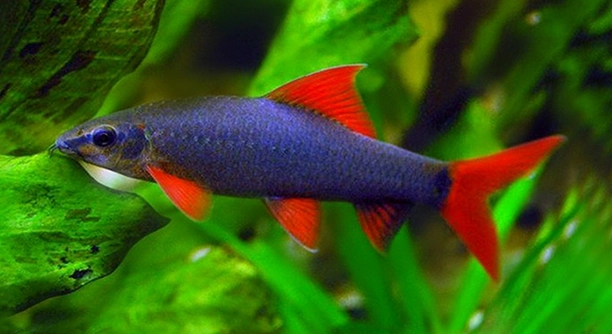
Is your rainbow shark suddenly stopped moving and left you worried? Many fish owners face this issue at some point. Understanding the common causes can help you bring your pet back to its usual lively self.
Rainbow sharks may stop moving due to poor water quality, illness, or stress from improper tank conditions. Ensuring stable water parameters, a balanced diet, and a peaceful environment are essential for their health and activity levels.
Knowing these key factors will help you take quick action to restore your rainbow shark’s wellbeing. The following fixes will guide you through practical steps to revive your fish’s movement and vitality.
Check Water Quality First
Poor water quality is the most common reason your rainbow shark may stop moving. High ammonia, nitrite, or nitrate levels can stress the fish and cause lethargy. Regularly test your tank water using reliable kits to ensure all parameters are safe. Also, check the temperature, as rainbow sharks prefer a stable range between 74°F and 80°F. Sudden changes or extremes can shock the fish. Performing partial water changes frequently helps keep the environment clean and healthy. Avoid overfeeding, as leftover food can pollute the water quickly. Maintaining good filtration is crucial to remove toxins and keep the water oxygenated. If the water quality is poor, the fish may also show other signs like faded color or rapid gill movement. Acting promptly with water testing and adjustments can make a significant difference in your rainbow shark’s recovery and activity.
Regular water testing and changes maintain a healthy tank, preventing stress and illness in your rainbow shark.
Water quality directly affects your rainbow shark’s health and movement. Keeping the water clean and within proper chemical ranges reduces stress and encourages normal behavior. Use an aquarium test kit to monitor ammonia, nitrites, and nitrates weekly. Change 20-30% of the water weekly or more if needed. Keep the temperature steady and avoid overcrowding the tank, which can strain filtration. Good filtration and aeration help maintain oxygen levels. By focusing on these factors, you create a supportive environment where your fish can thrive and stay active. Clean water also prevents diseases that cause inactivity. This simple but consistent care is key to keeping your rainbow shark healthy and moving.
Observe for Signs of Illness
When your rainbow shark stops moving, illness is often a reason behind it. Look closely for visible symptoms such as white spots, ragged fins, swelling, or unusual marks on the body. Also, observe breathing patterns; rapid or labored breathing may indicate infection or poor water oxygenation. If your fish is hiding constantly or refusing to eat, these could be signs of sickness. Many diseases, including parasites or bacterial infections, cause lethargy and require treatment. Early detection improves the chances of recovery. Consider quarantining the fish if other tank mates are present to prevent the spread of illness. Use appropriate medications based on symptoms and consult with a vet or fish specialist if needed. Keeping a close watch on your fish’s condition will help you take timely action.
Treatment for illnesses varies, but addressing symptoms quickly improves your rainbow shark’s chances for recovery.
Illness can greatly reduce your rainbow shark’s activity and cause it to stop moving. Parasites like ich present as tiny white spots and itching, while bacterial infections may cause redness or ulcers. Stress weakens the immune system, making illness more likely. Treatment usually involves medicated baths, antibiotics, or antiparasitic medications available at pet stores or through vets. Proper diagnosis is important; never medicate without knowing the issue. Alongside medication, maintain excellent water quality and avoid sudden changes to support healing. Nutritional support with high-quality food also helps recovery. Observe the fish daily to monitor progress. Prompt treatment combined with ideal tank conditions offers the best chance to restore your rainbow shark’s energy and movement.
Improve Tank Environment
Your rainbow shark needs enough space to swim freely. Overcrowding stresses the fish and limits movement. A minimum of 30 gallons is recommended for one rainbow shark to ensure it can explore comfortably. Remove aggressive tank mates that might chase or intimidate it. Adding hiding spots with plants or decorations helps the fish feel safe, reducing stress that causes inactivity. Proper lighting that mimics natural day-night cycles supports healthy behavior. Avoid sudden changes in the tank setup, which can disturb your fish and cause it to freeze in place. A calm, well-organized environment encourages your rainbow shark to be more active and healthy.
Regular tank maintenance and thoughtful decoration create a stress-free home, promoting activity and wellbeing.
Tank environment greatly influences your rainbow shark’s movement. Stress from overcrowding or aggression can make the fish hide or stay still. Proper territory with enough swimming room allows your shark to explore naturally. Including plants or caves gives it places to retreat and feel secure. Stable lighting and a routine help maintain normal behavior. Avoid rearranging the tank often, as it confuses the fish and increases stress. A peaceful and consistent environment supports your rainbow shark’s natural energy levels and encourages regular movement.
Provide a Balanced Diet
A balanced diet is essential for your rainbow shark’s energy and health. Poor nutrition often leads to lethargy and lack of movement. Feed a variety of foods including high-quality pellets, flakes, and occasional live or frozen treats like bloodworms or brine shrimp. Avoid overfeeding, which can cause digestive problems and dirty the tank. Feed small amounts twice a day to maintain optimal health. Include vegetable matter such as spirulina or blanched greens since rainbow sharks are omnivores. Proper nutrition strengthens the immune system, helping the fish fight illness and stay active. Consistency in feeding times also supports a healthy routine.
Reduce Stress Factors
Stress can cause your rainbow shark to stop moving. Loud noises, sudden movements near the tank, or frequent disturbances can make the fish anxious. Keeping the tank in a quiet, low-traffic area helps reduce stress and encourages natural activity.
Also, avoid overcrowding and aggressive tank mates. A calm environment promotes better behavior and overall health for your rainbow shark.
Check for Injuries
Rainbow sharks sometimes injure themselves by scraping against decorations or tank walls. Look carefully for cuts, scrapes, or torn fins. Injuries can cause pain and make the fish less active. Treat any wounds with aquarium-safe antiseptics to prevent infection and support healing.
Maintain Proper Oxygen Levels
Oxygen is vital for your rainbow shark’s survival and movement. Poor oxygen levels can make your fish sluggish or inactive. Ensure your tank has good water circulation and surface agitation to increase oxygen exchange. Adding an air stone or adjusting the filter can improve oxygen availability, keeping your rainbow shark energetic.
Monitor Temperature Consistently
Stable temperature is crucial. Fluctuations can shock your fish and reduce movement. Keep the tank temperature steady between 74°F and 80°F for optimal comfort and health.
FAQ
Why is my rainbow shark staying at the bottom of the tank and not moving?
This behavior usually indicates stress, illness, or poor water quality. When the tank’s conditions are unfavorable, your rainbow shark may seek refuge at the bottom, conserving energy. Low oxygen levels or sudden temperature changes can also cause this. Checking water parameters and ensuring a calm environment often resolves this issue.
How often should I test the water in my rainbow shark’s tank?
It’s best to test the water weekly for ammonia, nitrites, nitrates, and pH. Regular testing helps catch problems early before they affect your fish’s health. If you notice signs of illness or inactivity, increase testing frequency and perform partial water changes as needed.
Can a rainbow shark recover if it stops moving due to illness?
Yes, recovery is possible if the illness is caught early and treated properly. Medication suited to the specific disease, combined with excellent water conditions and proper nutrition, improves recovery chances. Quarantine and isolation can also prevent spreading illness to other fish.
Is it normal for a rainbow shark to hide frequently?
Rainbow sharks are territorial and may hide when feeling stressed or threatened. However, excessive hiding combined with inactivity can indicate poor health or stress. Providing enough hiding spots and ensuring peaceful tank mates reduces stress and encourages more active behavior.
What types of food are best for a rainbow shark?
A varied diet including high-quality pellets or flakes, supplemented with live or frozen foods like bloodworms, brine shrimp, and vegetable matter is ideal. This balanced diet supports energy, immune function, and coloration. Avoid overfeeding, as it can cause health issues and dirty the tank.
How large should the tank be for a rainbow shark?
A minimum tank size of 30 gallons is recommended for one rainbow shark. Larger tanks provide more swimming space, reducing stress and territorial disputes. Overcrowded tanks increase aggression and cause inactivity due to limited movement.
Can sudden changes in tank setup cause my rainbow shark to stop moving?
Yes, sudden rearrangements or new decorations can stress your fish, causing it to freeze or hide. Rainbow sharks prefer stable environments. Make changes gradually and give your fish time to adjust to maintain their comfort and activity.
What role does tank temperature play in rainbow shark activity?
Temperature affects metabolism and energy levels. Keeping the tank between 74°F and 80°F supports optimal health and movement. Sudden temperature drops or fluctuations can shock your fish, leading to lethargy or inactivity.
How can I tell if my rainbow shark is stressed?
Signs of stress include hiding, clamped fins, loss of appetite, faded color, and reduced movement. Stress often results from poor water quality, aggressive tank mates, overcrowding, or frequent disturbances. Addressing these factors helps restore your fish’s wellbeing.
Is it necessary to quarantine a sick rainbow shark?
Quarantining a sick fish is important to prevent disease spread. Isolating the affected fish allows focused treatment and reduces stress for others in the main tank. Use a separate hospital tank with clean water and appropriate medication.
Can poor oxygen levels cause a rainbow shark to stop moving?
Yes, low oxygen makes fish lethargic and can cause them to stay still near the water surface. Ensuring good water circulation, surface agitation, and possibly adding an air stone improves oxygen availability and encourages normal activity.
What should I do if my rainbow shark stops eating?
Loss of appetite is a sign of stress or illness. Check water conditions and temperature immediately. Offer a variety of fresh foods and avoid overfeeding. If the fish continues to refuse food, consider consulting a vet or fish specialist for further guidance.
Are rainbow sharks sensitive to light changes?
Sudden or harsh lighting can stress your rainbow shark. Providing a consistent light cycle that mimics natural day and night supports healthy behavior. Avoid bright lights directly on the tank for long periods.
How do I prevent my rainbow shark from becoming inactive in the future?
Maintain clean water, stable temperature, a balanced diet, and a calm tank environment. Avoid overcrowding and aggressive fish. Regular monitoring and early intervention are key to preventing inactivity and health problems.
Final Thoughts
Keeping your rainbow shark healthy and active takes consistent care and attention. Many times, inactivity or sudden changes in behavior point to underlying issues like water quality, stress, illness, or diet. By regularly testing your tank’s water and making sure it stays clean and well-maintained, you create a better environment for your fish. Stable water conditions with proper temperature and oxygen levels help your rainbow shark feel comfortable and encourage normal movement. Paying attention to these basics is the foundation for preventing many common problems that cause lethargy.
It is also important to observe your fish closely. Changes in behavior, such as hiding more than usual or refusing food, can be early signs of stress or sickness. Early detection and quick response can make a big difference in your rainbow shark’s health. If illness is suspected, using the right treatments and improving tank conditions can support recovery. Avoiding overcrowding and aggression by selecting compatible tank mates and providing enough space also helps keep stress low. Creating a calm, stable tank environment promotes better overall wellbeing and reduces the chances of your fish stopping its activity.
Finally, nutrition plays a crucial role in your rainbow shark’s energy and health. Feeding a varied and balanced diet ensures the fish receives the nutrients it needs to stay strong and active. Overfeeding or poor-quality food can lead to digestive issues and water pollution, which in turn affect your fish’s behavior. Consistent feeding routines and moderation are key. Taking care of these simple but essential factors will help your rainbow shark remain lively and healthy. With steady attention to tank conditions, diet, and the fish’s behavior, you can enjoy a vibrant and active rainbow shark for years to come.

Hello,
If you enjoy the content that we create, please consider saying a "Thank You!" by leaving a tip.
Every little bit helps us continue crafting quality advice that supports the health, happiness, and well-being of pets around the world, for pets of all shapes, sizes, and species.
We really appreciate the kindness and support that you show us!