
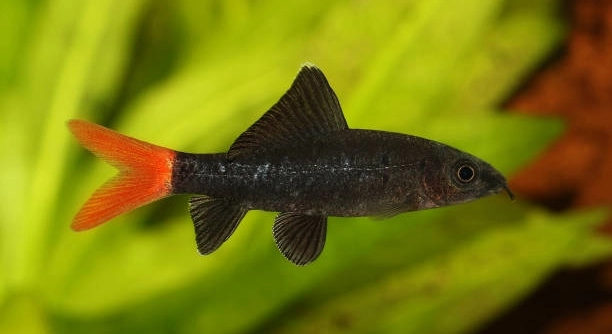
Caring for rainbow sharks requires attention to their unique needs and behaviors to keep them healthy and happy in your aquarium. Many owners face challenges that can affect the well-being of these vibrant fish. Knowing what to avoid is essential for proper care.
Avoiding common mistakes such as overcrowding, improper tank setup, poor water quality, and incompatible tank mates is crucial when caring for rainbow sharks. These factors can cause stress, illness, and reduced lifespan, impacting the overall health of the fish.
Understanding these key points will help you create a better environment for your rainbow sharks and avoid common pitfalls in their care. The following information offers practical advice to support their well-being.
Overcrowding the Tank
Keeping too many fish in a tank meant for fewer can cause major problems for rainbow sharks. They need enough space to swim freely and establish their own territory. When the tank is overcrowded, water quality quickly declines due to increased waste, which stresses the fish. Stress makes them more prone to disease and can lead to aggressive behavior toward other tank mates. Rainbow sharks can be territorial, so giving them enough space helps reduce fights and injuries. A general rule is to provide at least 20 gallons per fish. It’s important to monitor the number of fish and avoid adding too many. Providing a tank that suits their active nature helps them thrive and stay healthy.
Crowded tanks increase stress and risk of illness, so avoid keeping more fish than the space can support.
Creating a balanced community with proper space keeps rainbow sharks peaceful. Overcrowding leads to poor water conditions, which harms their health and shortens their lifespan. Proper tank size and population control are vital for their well-being.
Using Incorrect Water Parameters
Rainbow sharks require specific water conditions to stay healthy. They thrive in water temperatures between 72 and 79°F (22-26°C) and prefer a pH level around 6.5 to 7.5. When these conditions aren’t met, their immune system weakens, making them more vulnerable to disease. It’s important to regularly test water parameters and adjust as needed. Using a reliable water testing kit helps track ammonia, nitrite, nitrate, and pH levels. Sudden changes in water chemistry should be avoided, as they can shock the fish. Stable, clean water encourages proper growth and activity. Setting up a good filtration system and performing regular water changes are key steps to maintaining ideal water conditions for rainbow sharks.
Neglecting water parameters is one of the main reasons rainbow sharks fall ill, so consistent care is essential.
Incompatible Tank Mates
Rainbow sharks are semi-aggressive and can become territorial, especially with smaller or slower fish. Avoid keeping them with very passive or tiny species that may get bullied. Also, avoid other bottom-dwellers that compete for space.
Choosing compatible tank mates is key to reducing stress and aggression. Ideal companions include fast-swimming fish that occupy different tank levels, like barbs or danios. Avoid similar-shaped fish that share the same territory, as conflicts may arise. Proper selection helps maintain peace and balance in the aquarium.
Even with good tank mates, providing plenty of hiding spaces and decorations can help rainbow sharks feel secure. This reduces their need to guard territory aggressively and supports a calmer environment overall.
Poor Diet Choices
Rainbow sharks need a varied diet that includes high-quality pellets, flakes, and occasional live or frozen foods like bloodworms or brine shrimp. A poor diet lacking in nutrients will affect their color, growth, and health. Feeding only one type of food can cause deficiencies and weaken the fish.
Feeding should be moderate and frequent—small amounts two to three times daily are best. Overfeeding leads to water pollution and obesity, while underfeeding results in poor development. It is important to observe how much your rainbow shark eats and adjust accordingly. Supplements like vegetables can also be added to balance their nutrition and keep them active and healthy.
Neglecting Tank Maintenance
Regular tank maintenance is essential to keep rainbow sharks healthy. Skipping water changes or ignoring filter cleaning can cause harmful buildup of toxins. Consistent care prevents stress and illness.
Maintaining clean water means testing regularly and changing 20-30% of the water weekly. This helps keep ammonia and nitrite levels low, protecting the fish from harmful conditions.
Ignoring Signs of Stress
Recognizing stress signs like faded colors, erratic swimming, or hiding is important. Stress can lead to disease and should be addressed quickly to improve the fish’s environment and health.
Using Sharp Decorations
Sharp or rough decorations can injure rainbow sharks, as they often swim near tank surfaces and decorations. Choose smooth, rounded items to avoid cuts and damage to their fins.
Poor Lighting Conditions
Rainbow sharks prefer moderate lighting that mimics their natural habitat. Too bright or too dim lighting can stress them, affecting their activity and overall well-being. Adjust lighting to a comfortable level.
FAQ
What size tank is best for rainbow sharks?
Rainbow sharks need at least a 30-gallon tank to have enough space for swimming and establishing territory. Larger tanks are even better, especially if you plan to keep multiple fish or other species. A spacious environment helps reduce stress and aggression.
How often should I change the water?
Changing 20-30% of the water weekly is ideal for maintaining good water quality. Frequent water changes remove toxins and keep ammonia, nitrite, and nitrate levels safe. This routine supports your rainbow shark’s health and prevents illness.
What should I feed my rainbow shark?
A balanced diet includes high-quality pellets or flakes designed for omnivorous fish, combined with occasional live or frozen foods like bloodworms or brine shrimp. Adding some vegetables such as blanched zucchini or peas can improve nutrition and color.
Can rainbow sharks live with other fish?
Yes, but you need to choose tank mates carefully. They do well with fast-moving mid- to top-level swimmers like barbs, danios, or tetras. Avoid slow, small, or bottom-dwelling fish that might be bullied or compete for space.
Why is my rainbow shark hiding all the time?
Hiding can indicate stress from overcrowding, poor water quality, or aggressive tank mates. It may also signal illness. Checking water parameters and tank conditions is important to find and fix the cause.
How do I prevent aggression in rainbow sharks?
Provide enough space and hiding spots to reduce territorial behavior. Avoid overcrowding and select compatible tank mates. Regular tank maintenance and stable water conditions also help keep them calm.
What water temperature is best?
Keep the water between 72°F and 79°F (22°C to 26°C). Sudden temperature changes can shock the fish, so maintain a consistent temperature with a good heater and thermometer.
Are rainbow sharks difficult to care for?
They are moderately easy to care for if you maintain proper tank conditions, provide a balanced diet, and avoid common mistakes like overcrowding or poor water quality. Regular care and attention help them thrive.
Caring for rainbow sharks involves understanding their specific needs and avoiding common mistakes. These fish require a spacious tank, stable water conditions, and compatible tank mates to stay healthy. Overcrowding or poor water quality can quickly lead to stress and illness. It is important to regularly test and maintain the water, as well as keep the tank clean through proper filtration and water changes. Paying attention to these basics helps ensure your rainbow sharks live a long and active life.
Feeding rainbow sharks a balanced diet is another key factor in their care. Providing high-quality pellets or flakes along with occasional live or frozen foods keeps them well-nourished. Including some vegetables in their diet supports their color and overall health. Overfeeding should be avoided to prevent water pollution and health problems. Observing how much your fish eat daily and adjusting portions is a simple way to maintain their well-being. Feeding routines that match their natural habits help keep them energetic and thriving.
Lastly, creating a suitable environment with proper decorations and lighting reduces stress for rainbow sharks. Sharp objects should be avoided to prevent injuries, while hiding spots allow the fish to feel secure. Moderate lighting that imitates their natural habitat encourages natural behavior and comfort. Monitoring their behavior for signs of stress or illness and acting quickly is important. With consistent care and attention to these details, rainbow sharks can be a colorful and lively addition to your aquarium.

Hello,
If you enjoy the content that we create, please consider saying a "Thank You!" by leaving a tip.
Every little bit helps us continue crafting quality advice that supports the health, happiness, and well-being of pets around the world, for pets of all shapes, sizes, and species.
We really appreciate the kindness and support that you show us!