
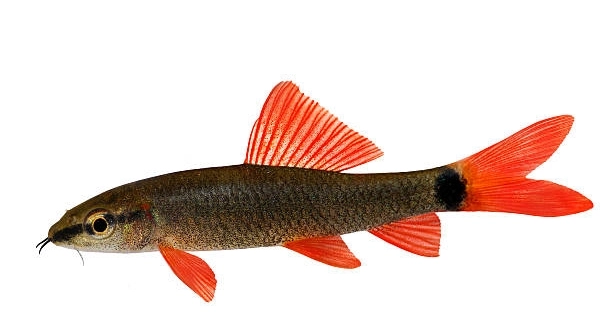
Rainbow sharks are popular freshwater fish known for their vibrant colors and active behavior. Many fish owners enjoy keeping them in home aquariums. However, these beautiful creatures are prone to certain health issues that can affect their well-being and longevity.
Seven common diseases frequently impact rainbow sharks, including fin rot, ich, bacterial infections, swim bladder disorder, hole-in-the-head disease, velvet disease, and internal parasites. Each condition presents distinct symptoms and requires specific care approaches to ensure proper treatment and recovery.
Understanding these diseases will help you maintain a healthy environment for your rainbow sharks and recognize signs of illness early. This knowledge supports better care and long-term fish health.
Fin Rot
Fin rot is one of the most common diseases affecting rainbow sharks. It usually starts when the fins appear ragged or have white edges. Poor water quality or injuries can cause fin rot by allowing bacteria to infect damaged tissue. If left untreated, the infection spreads and can severely damage the fins or even the body. To prevent fin rot, keep the aquarium clean and maintain stable water conditions. Regular water changes and proper filtration are essential. Using aquarium salt and antibiotics specifically designed for fish can help treat fin rot effectively. It is important to isolate infected fish to stop the spread of the disease.
Fin rot bacteria thrive in dirty or stressful environments, making prevention crucial. Treating early symptoms can save your fish from more serious damage.
Regularly monitoring water quality and avoiding overcrowding reduce the risk of fin rot. Addressing minor injuries quickly also protects your rainbow shark’s health.
Ich (White Spot Disease)
Ich is a parasitic infection that appears as tiny white spots covering the body and fins. It is highly contagious and can spread rapidly in an aquarium. The parasite attaches to the fish’s skin, causing irritation, increased mucus production, and difficulty breathing. Stress and sudden changes in temperature often trigger outbreaks of ich. To treat ich, increase the water temperature slightly and use medication designed to eliminate the parasite. Quarantining new fish before introducing them to the tank helps prevent the disease. Consistent tank maintenance and reducing stress factors are key to managing ich outbreaks. Failure to treat ich promptly can lead to severe health decline and death in affected fish.
Bacterial Infections
Bacterial infections can affect rainbow sharks in many ways, causing symptoms like ulcers, redness, or swelling. These infections often result from poor water quality or injuries.
Treatment involves improving tank conditions and using antibiotics prescribed for fish. Maintaining cleanliness is essential to prevent recurring infections.
Preventing bacterial infections requires good tank hygiene, regular water testing, and careful handling of fish. Stress weakens their immune system, making them more vulnerable. Early detection helps manage infections effectively before they worsen.
Swim Bladder Disorder
Swim bladder disorder affects a fish’s ability to control buoyancy, causing it to float sideways or struggle to stay upright. Overfeeding and poor diet often cause this condition.
Correcting diet and feeding smaller portions can reduce symptoms. Some owners use fasting days to help the fish’s digestive system recover. Maintaining good water quality also supports recovery.
Physical injury or genetic factors may contribute to swim bladder issues. In some cases, medicated treatments are necessary, but dietary management remains the most effective approach. Proper care and observation are vital to ensure your rainbow shark returns to normal swimming behavior.
Hole-in-the-Head Disease
Hole-in-the-head disease causes small pits or lesions to form on the fish’s head and face. Poor water quality and nutritional deficiencies are common causes.
It can also be linked to parasites or bacterial infections, making treatment more complex and requiring improved tank care and diet adjustments.
Velvet Disease
Velvet disease is a parasitic infection that gives fish a dusty, gold or rust-colored coating. It causes lethargy, loss of appetite, and difficulty breathing.
This disease spreads quickly and needs immediate treatment with specific anti-parasitic medication. Keeping water clean helps prevent outbreaks.
Internal Parasites
Internal parasites affect a rainbow shark’s digestion and overall health. Symptoms include weight loss, bloating, and abnormal swimming behavior. They can be introduced through contaminated food or tank mates.
Regular deworming treatments and quarantining new fish help control internal parasites. Maintaining a clean aquarium reduces the risk of infection.
FAQ
How can I prevent diseases in my rainbow shark?
Maintaining clean water and a stable environment is the best way to prevent diseases. Regular water changes, good filtration, and avoiding overcrowding keep stress low and immune systems strong. Quarantining new fish before adding them to the tank also reduces disease risks.
What are the early signs of fin rot?
Look for ragged or frayed fins, sometimes with white edges. Your rainbow shark may also show less activity or hide more than usual. Early treatment improves recovery chances, so check your fish regularly.
How do I treat ich quickly?
Increase the water temperature slightly and use medication designed for ich. Treat the entire tank since ich spreads fast. Removing activated carbon from the filter during treatment helps medicine work better.
Can poor diet cause swim bladder problems?
Yes, overfeeding or feeding inappropriate food can lead to swim bladder disorder. Feeding smaller portions and offering a balanced diet prevents digestive issues that affect buoyancy.
Is hole-in-the-head disease contagious?
It can spread in poor water conditions, especially if caused by parasites. Improving tank hygiene and diet is essential to stop the disease and help healing.
How often should I test my aquarium water?
Weekly water tests are ideal. Regular checks for ammonia, nitrites, nitrates, and pH ensure the environment remains safe for your rainbow shark. Quick action can prevent many diseases.
Are velvet disease and ich related?
Both are parasitic but caused by different organisms. Velvet disease has a dusty, gold coating, while ich appears as white spots. Both need prompt treatment with specific medications.
Can internal parasites be treated at home?
Yes, deworming medications made for aquarium fish are available. However, correct diagnosis is important. Sometimes a vet or experienced aquarist’s advice is necessary for effective treatment.
What should I do if my rainbow shark looks bloated?
Bloating may indicate internal parasites or swim bladder issues. Monitor behavior and water quality, adjust diet, and consider treatment for parasites if symptoms persist.
How long does it take for rainbow sharks to recover from diseases?
Recovery time varies depending on the disease and treatment. Some infections improve within days, while others may take weeks. Consistent care and clean water speed healing.
Is it safe to use aquarium salt for all diseases?
Aquarium salt can help with some bacterial and parasitic infections but is not a cure-all. Follow dosage instructions carefully, and avoid salt if your tank has plants or species sensitive to it.
Can stress cause diseases in rainbow sharks?
Stress weakens the immune system, making fish more susceptible to illness. Causes include poor water quality, overcrowding, aggressive tank mates, and sudden environmental changes.
How do I know if my treatment is working?
Look for improved behavior, clearer fins, reduced spots or lesions, and increased appetite. If symptoms worsen or persist, reevaluate water conditions and medication.
Is quarantine necessary for all new fish?
Yes, quarantining new fish for at least two weeks helps prevent introducing diseases to your main tank. It allows time to observe and treat any illness before mixing fish.
What foods support rainbow shark health?
A varied diet including high-quality flakes, pellets, and occasional live or frozen foods provides balanced nutrition. Avoid overfeeding to prevent health problems.
Caring for rainbow sharks involves understanding the common diseases that can affect them. These fish are beautiful and active but can be vulnerable to several health issues. By recognizing the symptoms of diseases like fin rot, ich, and swim bladder disorder early, you can take steps to protect your fish. Maintaining good water quality and providing a balanced diet are the foundations of keeping your rainbow sharks healthy. Regular tank maintenance, including water changes and monitoring water parameters, plays a key role in disease prevention. Addressing problems quickly can prevent serious health declines and improve your fish’s quality of life.
Treating diseases requires patience and attention. Different illnesses call for specific care approaches, such as using medications for parasites or antibiotics for bacterial infections. It is important to follow treatment instructions carefully and avoid over-medicating, which can harm your fish or other tank inhabitants. Quarantining sick fish helps reduce the spread of disease and allows for focused treatment. Watching for changes in behavior, appetite, or appearance helps identify when your rainbow shark needs help. Taking these steps shows responsible fishkeeping and increases the chances of recovery and long-term health.
Finally, prevention is always better than cure. Creating a stable and clean environment minimizes stress and reduces the likelihood of disease outbreaks. Avoid overcrowding and aggressive tank mates to lower stress levels. Feeding a nutritious diet and providing proper care support your rainbow shark’s immune system. By staying informed and attentive, you can enjoy the vibrant beauty of your rainbow sharks while keeping them healthy and thriving for years to come.

Hello,
If you enjoy the content that we create, please consider saying a "Thank You!" by leaving a tip.
Every little bit helps us continue crafting quality advice that supports the health, happiness, and well-being of pets around the world, for pets of all shapes, sizes, and species.
We really appreciate the kindness and support that you show us!