
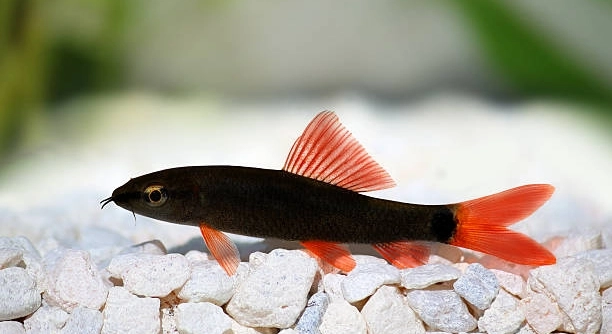
Rainbow sharks are popular aquarium fish known for their striking colors and active behavior. Keeping them with other tankmates can sometimes lead to stress or discomfort. Recognizing signs of unhappiness in these fish helps maintain a peaceful tank environment.
Rainbow sharks show discomfort with tankmates through behaviors such as hiding frequently, aggressive chasing, loss of appetite, faded coloration, erratic swimming, increased hiding spots use, and physical injuries caused by fights or stress. Monitoring these signs is essential for their wellbeing.
Knowing how to spot these signs early can help you create a more harmonious tank for your rainbow shark and its companions.
Frequent Hiding Behavior
When your rainbow shark starts hiding more often than usual, it is a clear sign of discomfort. These fish usually like to swim around actively and explore their tank. If they suddenly spend a lot of time tucked away behind decorations or under plants, something is wrong. Increased hiding can mean they feel threatened by other tankmates or are stressed by changes in their environment. Stress weakens their immune system, making them more vulnerable to illness. Sometimes, overcrowding or aggressive fish cause this behavior. Make sure your tank has enough space and hiding spots for all the fish. Observing your rainbow shark’s habits regularly will help you notice these changes early. Addressing the problem quickly can prevent bigger health issues. Keeping peace in the tank is important for all aquatic life to thrive.
Hiding excessively can affect a rainbow shark’s health, so prompt action is necessary to reduce stress.
Creating a balanced tank with suitable companions and enough space keeps your rainbow shark comfortable and active. It helps maintain harmony and prevents conflict or anxiety among fish.
Aggressive Chasing and Territorial Behavior
Aggressive chasing is one of the clearest signs your rainbow shark feels uncomfortable with tankmates. These fish are territorial by nature and can become hostile when other fish invade their space. Chasing or nipping at other fish shows they are stressed and trying to defend their area. If this behavior increases, it can lead to injuries and further tension in the tank. Aggression often rises if the tank is too small or lacks enough hiding spots. It is important to provide enough space and separate aggressive fish if needed. Changing tankmates or rearranging decorations can reduce territorial disputes. Watching how your fish interact daily helps identify patterns early, allowing you to take necessary steps to calm the environment and ensure all fish feel safe and secure.
Loss of Appetite
A rainbow shark that stops eating or shows less interest in food may be uncomfortable with its tankmates. Stress from aggressive fish or overcrowding often causes this change.
Loss of appetite weakens the fish and can lead to serious health problems if not addressed. When a rainbow shark feels threatened or stressed, it may hide or avoid feeding areas. This behavior often signals poor tank conditions or incompatible companions. Ensuring the tank environment is calm and peaceful helps improve feeding habits. Sometimes adjusting the diet or feeding times can encourage your fish to eat again. Observing feeding behavior closely will help you spot early signs of discomfort and act before the issue worsens.
A healthy appetite is a key sign of a comfortable fish. Improving tank harmony usually restores normal feeding and overall wellbeing.
Faded Coloration
Rainbow sharks lose their bright colors when stressed or unhappy. Faded or dull coloration shows discomfort and poor health.
Stress from constant chasing or overcrowding reduces the fish’s ability to display its vibrant colors. When a rainbow shark feels secure, its colors are bold and lively. Fading colors suggest something is wrong with the tank environment or social dynamics. This can be caused by aggressive tankmates, poor water quality, or illness linked to stress. To fix this, check water parameters and make sure tankmates are compatible. Giving your rainbow shark plenty of space and hiding spots can help restore its color. Regular tank maintenance and proper diet also support healthy coloration. Bright colors reflect a happy, comfortable fish, so take fading seriously to maintain your aquarium’s beauty.
Erratic Swimming
Erratic swimming, such as darting around or swimming frantically, often shows a rainbow shark is stressed or uncomfortable. This behavior can indicate fear or irritation caused by tankmates.
It may also point to water quality problems. Watching for sudden changes in swimming helps catch issues early.
Increased Use of Hiding Spots
Rainbow sharks will use hiding spots more when they feel threatened or stressed. If your fish spends most of its time hiding, it may be uncomfortable with its tankmates or environment.
Providing plenty of secure hiding places can reduce stress and improve their behavior.
Physical Injuries and Marks
Physical injuries, like torn fins or scars, usually happen when a rainbow shark faces aggression from other fish. These injuries are clear signs the fish is uncomfortable and stressed.
Addressing tankmate compatibility and tank conditions is key to preventing further harm.
FAQ
How can I tell if my rainbow shark is stressed because of its tankmates?
Signs of stress in rainbow sharks caused by tankmates include hiding a lot, aggressive chasing, loss of appetite, faded colors, erratic swimming, and visible injuries. If you notice any of these behaviors, it’s likely your fish is uncomfortable. Pay close attention to how the fish interacts with others and if it tries to avoid them or shows signs of aggression.
What tankmates are best for rainbow sharks?
Rainbow sharks do well with peaceful, fast-swimming fish that can handle similar water conditions. Avoid small, slow-moving, or long-finned fish because rainbow sharks can be territorial and may chase or nip at them. Good companions include barbs, danios, and larger tetras. Make sure the tank is large enough to provide space and hiding spots to reduce stress.
Why does my rainbow shark hide all the time?
Excessive hiding usually means your rainbow shark feels threatened or stressed. This can happen if tankmates are aggressive, the tank is overcrowded, or there is not enough cover. Hiding protects them but also indicates discomfort. Improving tank conditions and choosing calmer tankmates can help your fish feel safer.
Can changing tank decorations reduce stress in my rainbow shark?
Yes, rearranging or adding decorations can help reduce territorial fights by breaking up sightlines. This prevents constant chasing and gives your fish places to retreat. Plants, caves, and rocks create natural hiding spots that make your rainbow shark feel more secure.
How important is tank size for a rainbow shark’s comfort?
Tank size is very important. Rainbow sharks need plenty of space to swim and establish their territory. A tank smaller than 30 gallons can increase aggression and stress. Larger tanks allow better distribution of fish, reducing conflicts and making all tankmates more comfortable.
What should I do if my rainbow shark is injured from tankmates?
If injuries appear, isolate the injured fish in a separate tank to allow healing. Treat any wounds with aquarium-safe medications if needed. Check tank conditions and reconsider tankmate choices to prevent future injuries. Keeping water clean and stress low supports recovery.
Does diet affect my rainbow shark’s stress levels?
Yes, a poor diet can weaken your rainbow shark, making it less able to cope with stress. Feeding a balanced diet with high-quality pellets, flakes, and occasional live or frozen foods keeps your fish healthy and better equipped to handle its environment.
Can water quality impact how my rainbow shark reacts to tankmates?
Water quality greatly affects your rainbow shark’s behavior. Poor water conditions cause stress and illness, which can increase aggression or hiding. Regular water changes, proper filtration, and monitoring parameters like ammonia, nitrite, and nitrate keep the tank safe and comfortable for all fish.
Is it normal for rainbow sharks to be aggressive sometimes?
Some aggression is normal due to their territorial nature. However, frequent or severe aggression signals discomfort. Managing tank size, tankmate choices, and providing enough hiding places can reduce this behavior, creating a calmer tank environment.
How can I encourage my rainbow shark to eat if it’s stressed?
Try feeding in quiet areas of the tank or at different times to avoid competition. Offering favorite foods like bloodworms or brine shrimp can stimulate appetite. Reducing stress through tank adjustments and peaceful tankmates also helps restore normal eating habits.
Final Thoughts
Taking care of a rainbow shark means paying close attention to how it acts around other fish. When these fish feel uncomfortable, they show it in many ways, like hiding more, losing appetite, or acting aggressively. These signs are important because they tell you something is wrong. If ignored, stress can lead to illness or injury, making life hard for your rainbow shark. Watching your fish daily helps you notice any changes early. This way, you can fix problems before they get worse and keep your tank peaceful.
Creating a good environment for your rainbow shark is key to its happiness. This includes having a tank that is big enough, clean water, and peaceful tankmates. Fish that swim calmly and don’t bother others work best with rainbow sharks. Also, adding plants and hiding spots helps reduce stress by giving your fish places to rest and feel safe. If your rainbow shark seems unhappy, look at the tank setup first. Sometimes, small changes can make a big difference in how your fish feels and behaves.
Remember, each fish is different, and what works for one might not work for another. It’s important to be patient and willing to adjust things in your aquarium. Learning about your rainbow shark’s needs and watching how it reacts to its home helps you give the best care possible. Keeping your rainbow shark comfortable benefits all the fish in your tank by making the whole environment calm and healthy. A happy rainbow shark means a happier, more enjoyable aquarium for you too.

Hello,
If you enjoy the content that we create, please consider saying a "Thank You!" by leaving a tip.
Every little bit helps us continue crafting quality advice that supports the health, happiness, and well-being of pets around the world, for pets of all shapes, sizes, and species.
We really appreciate the kindness and support that you show us!