
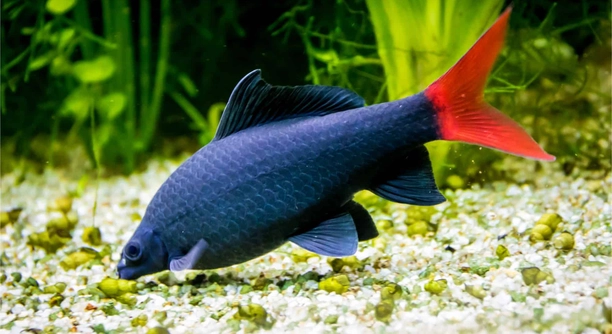
Are your rainbow sharks showing signs of aggression in your aquarium? This can be worrying for fish owners who want a peaceful tank environment. Understanding their behavior is key to keeping them calm and healthy.
Aggressive behavior in rainbow sharks often results from territorial disputes, overcrowding, poor water quality, or lack of hiding spaces. Addressing these issues systematically can reduce aggression and promote a balanced tank ecosystem.
Learning the common causes of aggression helps you create a better environment for your rainbow sharks and other fish. This article will guide you through practical fixes to restore harmony in your aquarium.
Check Your Tank Size and Setup
A small tank can increase stress and aggression in rainbow sharks. These fish are active swimmers and need enough space to establish their own territories without constant confrontation. A tank smaller than 30 gallons usually isn’t enough for a single rainbow shark, especially if you have other fish. The setup also matters; include plenty of hiding spots like plants, rocks, and decorations. These provide shelter and help reduce aggressive encounters. When fish feel safe, they are less likely to act out aggressively. Make sure the tank layout allows your rainbow shark to swim freely and avoid feeling trapped. Keeping the environment comfortable helps maintain peace. Regular cleaning and monitoring water parameters also improve your fish’s overall mood.
Providing a spacious and well-decorated tank reduces stress and aggression by giving your rainbow shark room to swim and places to hide.
Taking time to optimize the tank size and setup is one of the simplest ways to calm an aggressive rainbow shark. Proper space and shelter prevent overcrowding and territorial fights, promoting healthier behavior in your aquatic pets.
Monitor Water Quality Closely
Poor water conditions can quickly lead to stress and aggression in rainbow sharks. Keep an eye on ammonia, nitrite, nitrate levels, pH, and temperature. Even slight imbalances can make fish irritable and more likely to attack tank mates. Conduct regular water tests and perform water changes as needed to maintain a clean, stable environment. Use a reliable water conditioner to remove harmful chemicals from tap water. Temperature should stay between 74°F and 80°F for rainbow sharks to feel comfortable. Avoid sudden changes that can shock them. Clean filters regularly to keep water flowing properly and free from debris. Healthy water encourages calm behavior and reduces aggression, helping your fish stay balanced and peaceful.
Avoid Overcrowding Your Tank
Too many fish increase stress and fights. Rainbow sharks need space from other fish to feel secure.
Overcrowding causes competition for food and territory, which leads to aggressive behavior. When there are too many fish in a tank, water quality also declines faster, adding to stress. Your rainbow shark may become territorial and nip at others to defend its space. Keeping the fish population balanced prevents these problems. It’s best to research compatible tank mates and ensure each fish has enough room to swim freely.
Separating aggressive fish or providing larger tanks can help ease tensions. Sometimes, adding plants or decorations gives fish places to retreat. Managing the number of inhabitants keeps your tank peaceful and your rainbow shark less aggressive.
Provide Proper Feeding and Nutrition
Rainbow sharks that are hungry or poorly fed often act aggressively toward others. Feeding a balanced diet at regular times keeps them satisfied and calmer.
Uneven feeding or low-quality food can cause irritability and fights. Rainbow sharks thrive on a mix of high-quality flakes, pellets, and occasional live or frozen foods like bloodworms or brine shrimp. Feeding small amounts multiple times daily prevents hunger-driven aggression. Avoid overfeeding, which harms water quality and fish health. Observing your fish during feeding helps ensure everyone gets enough food without competition. Proper nutrition supports their energy levels and reduces stress.
A well-fed rainbow shark is more likely to behave peacefully, making feeding an important part of managing aggression in your tank.
Introduce Tank Dividers if Needed
Using dividers can reduce aggression by separating territorial fish. This creates clear boundaries.
Dividers help prevent fights without removing fish from the tank. They are useful in community tanks with multiple rainbow sharks or aggressive species. Proper placement of dividers allows fish to claim their own space while still sharing the environment.
Maintain Consistent Lighting and Schedule
Consistent lighting and a regular schedule help stabilize fish behavior. Sudden changes can stress rainbow sharks and trigger aggression.
Keeping a day-night cycle with timers supports their natural rhythm. Avoid frequent changes in lighting or tank disturbances. A calm environment promotes peaceful behavior and healthier fish.
Avoid Aggressive Tank Mates
Choosing calm, non-aggressive species reduces conflict in the tank. Aggressive companions can increase stress for rainbow sharks.
Careful selection of tank mates ensures harmony. Avoid fish known for territorial or fin-nipping behavior to keep your aquarium peaceful and your rainbow shark less aggressive.
FAQ
Why is my rainbow shark suddenly aggressive?
Rainbow sharks can become aggressive due to changes in their environment, such as overcrowding, poor water quality, or lack of hiding places. Stress from sudden changes like new tank mates or different water parameters can also trigger aggressive behavior. It’s important to check these factors carefully and make adjustments as needed to restore balance.
How can I tell if my rainbow shark is aggressive or just active?
Aggressive behavior usually involves chasing, nipping, or defending a specific area of the tank. Active swimming without causing harm to other fish is normal for rainbow sharks since they are naturally energetic. If your fish repeatedly attacks tank mates or shows signs of injury on others, it’s a clear sign of aggression.
Can aggression be a sign of illness?
Yes, sometimes aggression can result from illness or discomfort. When a rainbow shark feels unwell, it may become irritable and defensive. Watch for other symptoms like changes in color, lack of appetite, or lethargy. If illness is suspected, test water quality and consult a vet or experienced aquarist.
Will separating aggressive rainbow sharks solve the problem?
Separating aggressive fish can reduce conflict, especially if the tank is small or overcrowded. Using tank dividers or moving one fish to another tank gives each fish space to feel safe. However, separation is often a temporary fix; improving tank conditions is the long-term solution.
How often should I clean my tank to reduce aggression?
Regular maintenance is key. Partial water changes of about 20-30% once a week keep water clean and stable, reducing stress and aggression. Cleaning filters and removing debris help maintain good water quality, which supports healthy fish behavior.
Are there any tank mates that help reduce aggression?
Peaceful, larger fish that occupy different tank levels often coexist well with rainbow sharks. Avoid small, slow-moving fish that can be targets for nipping. Good tank mates include species like peaceful tetras or danios, which tend to keep their distance and reduce territorial disputes.
Can adding more hiding places calm aggressive rainbow sharks?
Yes, adding plants, rocks, and decorations provides safe spots where fish can retreat and feel secure. This reduces stress and limits direct confrontations. The more places a fish can hide, the less likely it is to become aggressive out of fear or competition.
What role does feeding play in aggression?
Hunger is a common cause of aggression. Feeding your rainbow shark regularly with high-quality food helps keep it calm and less likely to compete aggressively for food. Overfeeding can harm water quality, so balance and consistency in feeding are important.
Is it normal for rainbow sharks to act aggressive during breeding?
Rainbow sharks can show more aggression during breeding periods as they protect their territory. This behavior is temporary but intense. Providing extra hiding spots and space can help reduce stress for all fish during this time.
Can temperature changes affect aggression?
Yes, sudden or extreme changes in water temperature can stress rainbow sharks and lead to aggressive behavior. Keeping the tank within the ideal temperature range of 74°F to 80°F helps maintain calm and healthy fish.
Should I quarantine new fish to prevent aggression?
Quarantining new fish before adding them to the main tank reduces the risk of introducing diseases and allows you to observe their behavior. It can prevent aggression caused by sudden introduction of unfamiliar or aggressive fish.
Can adding more rainbow sharks reduce aggression?
Adding more rainbow sharks can sometimes increase aggression because they are territorial. Unless you have a large tank with plenty of hiding spots, it’s better to keep one rainbow shark per tank to avoid fights.
What signs indicate that aggression is harming my fish?
Look for torn fins, scratches, or stress marks on fish. Constant chasing and hiding are also signs. If aggression leads to injury or constant stress, it can affect your fish’s health and lifespan.
Are there behavior changes I can use to predict aggression?
Increased hiding, sudden chasing, or territorial displays like flaring fins can indicate aggression is building. Early observation helps you take action before fights start.
Does tank lighting affect rainbow shark aggression?
Consistent lighting helps maintain their natural rhythm and reduces stress. Sudden changes or very bright light may trigger nervousness or aggressive responses.
How can I introduce new fish without causing aggression?
Introduce new fish slowly, preferably in a separate container inside the tank first, allowing fish to get used to each other’s presence without direct contact. Adding new fish at night or during feeding times can also reduce stress and aggression.
Can water hardness or pH changes cause aggression?
Sudden shifts in water hardness or pH can stress fish and lead to aggressive behavior. Maintaining stable water chemistry within rainbow sharks’ preferred ranges is important to keep them calm.
Is aggression more common in young or older rainbow sharks?
Aggression can occur at any age but is often more visible in mature adults as they defend territories. Young fish tend to be more timid but may become aggressive as they grow.
What is the best way to handle an aggressive rainbow shark?
Improving tank conditions, adjusting population, providing hiding spots, and ensuring proper feeding are the best steps. Avoid handling fish unless necessary, as this can increase stress and worsen aggression.
When your rainbow shark starts acting aggressively, it can feel stressful. Aggression is often a sign that something in the tank needs attention. It might be related to space, water quality, or how the fish are fed and cared for. Paying close attention to these details can help bring peace back to your aquarium. Rainbow sharks are lively and can be a joy to watch when they feel safe and comfortable. Taking steps to reduce aggression not only improves their health but also makes the whole tank a better place for all your fish.
Creating a good environment is key to preventing aggression. Make sure the tank is large enough and has plenty of hiding spots. This gives your rainbow shark space to claim territory without constant fights. Keeping water clean and stable is just as important. Regular water changes and testing help keep harmful chemicals low and water conditions steady. Feeding your fish properly with a balanced diet also helps. Hungry fish are more likely to fight. A peaceful tank means all fish can thrive, showing their natural behaviors without stress or harm.
Sometimes, aggression can still happen despite your best efforts. In these cases, it may be necessary to make changes like adding tank dividers, changing tank mates, or adjusting the number of fish. Watching your fish closely will help you notice any problems early. Acting quickly can prevent injuries and stress. Remember, each rainbow shark and tank is different. What works in one aquarium might need adjusting in another. Being patient and willing to try different fixes will help you keep your rainbow shark calm and healthy for a long time.

Hello,
If you enjoy the content that we create, please consider saying a "Thank You!" by leaving a tip.
Every little bit helps us continue crafting quality advice that supports the health, happiness, and well-being of pets around the world, for pets of all shapes, sizes, and species.
We really appreciate the kindness and support that you show us!