
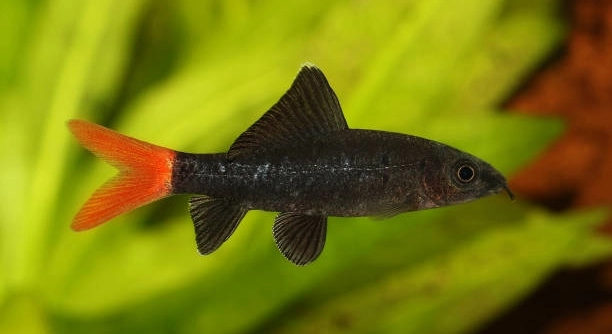
Rainbow sharks are popular aquarium fish known for their striking colors and active behavior. However, overcrowding can quickly become an issue in home tanks, affecting their health and comfort. Understanding what causes this problem is essential for a balanced aquarium environment.
Overcrowding in rainbow sharks is mainly caused by tank size being too small, excessive stocking, inadequate hiding spots, poor tank maintenance, aggressive behavior leading to stress, incompatible tank mates, and improper feeding practices. Addressing these factors can restore harmony and promote healthy fish growth.
Recognizing the causes of overcrowding helps maintain a peaceful aquarium. This article will guide you through practical steps to fix and prevent this common issue.
Tank Size and Space Limitations
A common reason for rainbow shark overcrowding is the tank being too small. These fish need enough room to swim actively and establish territories. When the space is limited, they often compete, causing stress and aggression. Many beginners underestimate how much space rainbow sharks require. A tank smaller than 30 gallons will quickly feel cramped if more than one shark is present. Even with decorations and plants, limited open swimming areas can contribute to overcrowding feelings. It is important to provide a tank size that matches the number of fish and their activity level. Overcrowding in a small tank can lead to health problems and reduced lifespan. Always plan the tank size before adding multiple rainbow sharks to ensure they have enough space to thrive comfortably.
Smaller tanks with several rainbow sharks increase competition for space and resources, which can cause ongoing stress and aggression. This situation should be avoided.
Creating a spacious environment means at least a 40-gallon tank for two or three rainbow sharks. Along with tank size, providing distinct zones with hiding spots helps reduce territorial conflicts. Careful arrangement of plants and decorations ensures that each fish has its own area. Regular monitoring of behavior and tank population can prevent overcrowding problems early. Proper space and structure in the aquarium allow rainbow sharks to live healthier and less stressful lives.
Aggressive Behavior and Territorial Disputes
Rainbow sharks are naturally territorial, especially as they mature. Aggression can lead to overcrowding issues because dominant fish may force others into smaller areas. This stress causes weaker fish to hide more often, reducing their swimming space and affecting their overall well-being. Aggression is often intensified when there are too many fish in the tank or when the tank layout offers little opportunity to escape or find refuge. Recognizing signs of bullying early is crucial. Removing overly aggressive fish or rearranging the tank setup can ease tensions. Providing sufficient hiding places and visual barriers helps reduce direct confrontations. This adjustment benefits all the fish, preventing one or two from controlling the tank space unfairly.
Proper management of aggression is necessary to maintain a peaceful aquarium where all rainbow sharks can coexist.
Aggression often increases when the tank population exceeds its capacity or when fish lack escape routes. Rainbow sharks may chase or nip at others, causing injury or stress. This behavior can escalate if the tank is overcrowded or poorly designed. Tank rearrangement with hiding spots such as caves and dense plants creates safer areas for less dominant fish. Sometimes, separating aggressive individuals is the only solution. Maintaining appropriate tank size and monitoring fish behavior regularly helps control aggression and overcrowding. Understanding and addressing territorial disputes ensures a balanced environment where rainbow sharks can thrive without constant stress or injury.
Inadequate Hiding Spots
Rainbow sharks need hiding places to feel secure and reduce stress. Without enough shelters, they become more aggressive and territorial, which worsens overcrowding. Simple decorations and plants help create safe zones for each fish to retreat when needed.
Providing adequate hiding spots lowers aggression by giving fish areas to escape and rest. Use caves, driftwood, or dense plants to break the line of sight between rainbow sharks. This separation decreases conflicts and allows weaker fish to avoid constant bullying. Arranging the tank thoughtfully improves social harmony, making the aquarium feel less crowded. When fish have personal spaces, they are calmer and healthier.
Regularly updating or rearranging these spots can maintain balance. Hiding places should be spread evenly throughout the tank to avoid clustering. Offering a variety of shelters also suits different fish preferences. A well-planned tank reduces stress and overcrowding caused by lack of refuge.
Poor Tank Maintenance
Neglecting tank cleanliness contributes to overcrowding issues by weakening fish health. Dirty water raises stress levels and lowers immunity, making rainbow sharks more prone to disease and aggression. Regular water changes and filter cleaning keep the environment stable and comfortable.
Uneaten food and waste build up harmful toxins like ammonia and nitrites. These chemicals degrade water quality and affect fish behavior. Frequent testing and maintenance prevent dangerous conditions that worsen overcrowding by stressing fish. Consistent cleaning keeps the tank balanced and fish active.
Maintaining proper water parameters supports a peaceful aquarium. A clean tank encourages normal fish activity and reduces territorial fights caused by stress. Keeping up with tank upkeep is essential to avoid overcrowding-related problems and ensure rainbow sharks thrive.
Excessive Stocking
Adding too many fish to a tank causes overcrowding quickly. Each rainbow shark needs its own space, and too many in one tank increases stress and fights.
Overcrowding reduces oxygen levels and creates competition for food. This can harm all fish and make the aquarium environment unhealthy.
Incompatible Tank Mates
Choosing tank mates that do not get along with rainbow sharks causes tension. Aggressive or overly passive fish disrupt the tank balance.
Incompatible species increase stress and aggression, which contributes to overcrowding issues and fish health problems. Careful selection helps maintain harmony.
Improper Feeding Practices
Feeding too much or too little affects fish behavior. Overfeeding leads to poor water quality, while underfeeding causes competition and aggression.
How to Fix Overcrowding
Managing overcrowding starts with proper tank size and population control. Adjust stocking levels and monitor fish behavior to reduce stress. Regular tank maintenance, hiding spots, and compatible tank mates improve fish wellbeing and decrease territorial disputes.
FAQ
What tank size is best for rainbow sharks?
A minimum of 40 gallons is recommended for two to three rainbow sharks. This size provides enough swimming space and helps reduce territorial conflicts. Larger tanks allow for more decorations and hiding spots, which improves fish comfort and behavior.
How many rainbow sharks can I keep in one tank?
Generally, two to three rainbow sharks can live peacefully in a properly sized tank. More than that often leads to overcrowding and aggression. If you want more, you need a significantly larger tank with plenty of hiding spaces.
What are signs of overcrowding in rainbow sharks?
Look for increased aggression, constant chasing, hiding, and visible stress like faded colors or damaged fins. Overcrowded tanks may also have poor water quality, which affects fish health.
How do I reduce aggression between rainbow sharks?
Add hiding spots like caves and plants to break line of sight. Rearrange decorations regularly to disrupt territories. Removing the most aggressive fish or increasing tank size also helps.
Can poor water quality cause overcrowding issues?
Yes, dirty water stresses fish and worsens aggression, making overcrowding effects more severe. Regular water changes and filter maintenance keep conditions healthy and reduce territorial behavior.
Are certain tank mates better with rainbow sharks?
Yes, peaceful but sturdy fish that occupy different tank levels work best. Avoid slow-moving or long-finned fish as rainbow sharks may nip them. Good choices include danios, barbs, and some cichlids that tolerate similar conditions.
How often should I feed rainbow sharks?
Feed once or twice a day with high-quality sinking pellets or flakes. Avoid overfeeding to prevent water quality issues and competition among fish. Uneaten food should be removed quickly.
What should I do if my tank is overcrowded?
Start by reducing the number of fish or upgrading to a larger tank. Increase hiding spots and improve tank maintenance. Monitor fish closely and separate overly aggressive individuals if necessary.
Can rearranging the tank help with overcrowding?
Yes, changing the layout disrupts established territories and reduces fights. It creates new hiding places and helps spread out fish, lowering stress and aggression.
Is it okay to keep rainbow sharks alone?
Rainbow sharks can live alone but may become less active without tank mates. Keeping one in a smaller tank is easier, but they still need plenty of space and hiding spots.
How does feeding affect fish behavior in crowded tanks?
Proper feeding reduces competition. Overfeeding causes waste buildup, harming water quality and fish health. Underfeeding increases aggression as fish compete for food.
How important is tank decoration for rainbow sharks?
Very important. Decorations provide hiding spots and break sight lines, reducing aggression and stress. They help create a more natural and comfortable environment.
Can overcrowding cause diseases in rainbow sharks?
Yes, stress from overcrowding lowers immunity, making fish more vulnerable to infections. Poor water quality from overcrowding also encourages disease outbreaks.
What is the best way to introduce new fish to a rainbow shark tank?
Add new fish slowly and provide plenty of hiding spots. Observe for signs of aggression and be ready to separate if problems arise. Introducing fish at the same time can reduce territorial fights.
How can I tell if my rainbow sharks are stressed?
Signs include faded color, hiding more than usual, erratic swimming, loss of appetite, and damaged fins. Stress often results from overcrowding, poor water quality, or aggression.
This FAQ covers common concerns about overcrowding and care for rainbow sharks, helping ensure a healthier and more peaceful aquarium environment.
Final Thoughts
Managing rainbow shark overcrowding requires attention to several key factors. Tank size is one of the most important. Providing enough space allows these active fish to swim freely and establish their own territories. When tanks are too small or overcrowded, stress and aggression quickly increase, leading to health problems. It is essential to plan the aquarium size carefully before adding multiple rainbow sharks. A larger tank with ample swimming space reduces conflicts and creates a more balanced environment. Alongside space, the arrangement of hiding spots also plays a vital role. Properly placed caves, plants, and decorations give each fish a safe area to retreat and rest. This helps lower stress and lessens fights over territory.
Water quality and regular tank maintenance are equally important in preventing overcrowding issues. Dirty or poorly maintained tanks cause stress that can worsen aggressive behavior among rainbow sharks. Frequent water changes, filter cleaning, and testing water parameters keep the environment stable and healthy. Feeding habits also affect overcrowding dynamics. Overfeeding creates waste that harms water quality, while underfeeding causes competition and aggression. Feeding the right amount at consistent times helps maintain a peaceful tank. Choosing compatible tank mates is another way to reduce tension. Selecting fish that can coexist peacefully with rainbow sharks prevents unnecessary stress and overcrowding-related conflicts.
Ultimately, successful care of rainbow sharks depends on balance and observation. Monitoring fish behavior regularly allows you to spot early signs of overcrowding or aggression and make adjustments. Sometimes this means reducing the number of fish or rearranging the tank. Other times, it involves improving water quality or adding more hiding spots. Every tank is different, so flexibility and attentiveness are key. By addressing space, environment, and care needs, rainbow sharks can live healthy, active lives without the problems caused by overcrowding. Taking these steps creates a calmer and more enjoyable aquarium for both the fish and the keeper.

Hello,
If you enjoy the content that we create, please consider saying a "Thank You!" by leaving a tip.
Every little bit helps us continue crafting quality advice that supports the health, happiness, and well-being of pets around the world, for pets of all shapes, sizes, and species.
We really appreciate the kindness and support that you show us!