
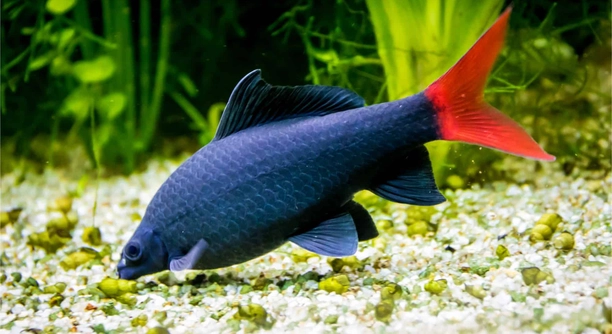
Rainbow sharks are popular freshwater fish known for their vibrant colors and active behavior. Many aquarium owners enjoy watching them swim and interact in their tanks. However, these fish can sometimes experience stress that affects their health and well-being.
Stress in rainbow sharks can be identified by several key signs, including changes in swimming patterns, loss of appetite, faded colors, and hiding behavior. Environmental factors such as poor water quality, overcrowding, and improper tank conditions often contribute to their stress levels. Recognizing these symptoms early is essential for maintaining a healthy aquarium.
Knowing how to spot stress in your rainbow shark helps you create a better environment for your fish. This article outlines seven clear ways to tell if your rainbow shark is stressed, providing practical tips for care and prevention.
Changes in Swimming Behavior
When a rainbow shark feels stressed, you may notice it swimming differently than usual. It might dart around nervously, swim near the surface more often, or stay hidden in one spot. Sometimes, it will swim erratically or bump into tank decorations. These changes show the fish is uncomfortable or trying to avoid something in its environment. Stress can affect their ability to move smoothly and interact normally. Watching your fish’s swimming patterns regularly helps catch these signs early, so you can act before the problem worsens.
Swimming changes like sudden stops or frantic movements are clear indicators of distress in rainbow sharks.
Observing your rainbow shark’s behavior closely reveals clues about its well-being. Stress causes physical reactions that interfere with normal swimming. Factors such as sudden noise, new tank mates, or poor water conditions can trigger these changes. A healthy rainbow shark usually swims confidently and explores its surroundings calmly. If you see nervous or unusual movements, check the tank environment immediately. Improving water quality, providing hiding spots, and avoiding overcrowding can help your fish feel secure again. Timely attention to swimming behavior can prevent health problems linked to chronic stress.
Loss of Appetite
Rainbow sharks that are stressed often eat less or stop eating altogether. A sudden drop in appetite is one of the easiest signs to notice. When the fish feels unsafe or uncomfortable, its body focuses on coping rather than digestion. Ignoring this change can lead to weight loss and weaken the fish over time. Regular feeding schedules and watching how much your fish eats will help you identify problems early. If your rainbow shark avoids food for more than a day, it’s time to check its environment and health closely.
Loss of appetite signals that your fish might be struggling with stress or illness.
Feeding your rainbow shark should be a consistent routine, but stress can disrupt this pattern. Changes in tank water quality, temperature fluctuations, or aggressive tank mates may cause your fish to lose interest in food. Sometimes, introducing new plants or rearranging the tank can also unsettle them temporarily. Keep in mind that a healthy rainbow shark is usually eager to eat during feeding times. If you notice less enthusiasm or refusal of food, look for other signs of stress too. Adjusting the environment, offering varied diets, and minimizing disturbances can help restore appetite and improve your fish’s overall condition. Taking prompt action supports faster recovery and reduces long-term damage.
Faded Colors
Faded or dull colors in your rainbow shark often show stress. When the fish feels threatened or uncomfortable, its vibrant hues can become less bright. This change is an important visual clue that something is wrong.
Color fading happens because stress affects the fish’s ability to maintain its pigmentation. Poor water quality, overcrowding, or lack of hiding spots can cause this. When stressed, the fish’s immune system weakens, making it harder to keep bright colors. Regular water changes and stable tank conditions help maintain coloration. Improving the environment often brings the colors back to normal as the fish recovers. Monitoring color changes alongside other signs provides a clearer picture of your fish’s health.
If you notice dull colors, check the tank’s parameters immediately. Testing for ammonia, nitrites, and nitrates is crucial, as poor water chemistry often triggers color loss. Reducing stress factors by providing plants or decorations for hiding can also encourage your fish to regain its natural shine. Consistent care and attention to detail make a big difference.
Hiding Behavior
Rainbow sharks that hide more than usual may be feeling stressed or unsafe. They seek shelter to avoid threats or discomfort, which affects their normal activity levels.
Hiding is a protective behavior caused by stressors such as aggressive tank mates, bright lighting, or sudden changes in the aquarium. If your fish spends too much time hidden, it can miss meals or exercise, weakening its health. Providing enough hiding places like caves, plants, or decorations encourages comfort and reduces anxiety. Observing when and how long your fish hides helps identify problems quickly.
Creating a calm environment with stable water conditions and minimal disturbances supports your rainbow shark’s sense of security. Avoid overcrowding and keep tank maintenance consistent to reduce stress. When your fish feels safe, it will explore more and display normal behaviors again.
Rapid Gill Movement
Rapid gill movement in rainbow sharks often indicates stress or poor water quality. When oxygen levels are low, or toxins build up, fish breathe faster to get enough oxygen. This is an early warning sign to check tank conditions.
If you notice your rainbow shark breathing quickly or gasping at the surface, it’s important to test the water immediately. High ammonia or nitrite levels can cause this behavior, which can be dangerous if left untreated. Improving filtration and performing partial water changes usually helps restore normal breathing.
Clamped Fins
Clamped fins occur when your rainbow shark holds its fins close to its body instead of spreading them out. This can be a reaction to stress, illness, or poor water quality.
Fish use their fins to communicate comfort and health. When stressed, rainbow sharks keep their fins tight as a way to protect themselves. Regularly checking water parameters and observing your fish’s behavior can help catch problems early.
Erratic Swimming Patterns
Erratic swimming includes sudden jerks, spins, or rapid darting around the tank. This behavior often shows that your rainbow shark is stressed or uncomfortable. Causes can range from water issues to aggressive tank mates.
How can I reduce stress for my rainbow shark?
To reduce stress, keep the water clean and stable by doing regular water changes and monitoring tank parameters like pH, ammonia, nitrites, and nitrates. Avoid overcrowding the tank and provide plenty of hiding spots such as plants or decorations. Make sure the lighting is not too bright and maintain a calm environment by limiting sudden noises or movements near the tank.
What water conditions are best for rainbow sharks?
Rainbow sharks prefer slightly acidic to neutral water, with a pH between 6.5 and 7.5. The temperature should stay between 72°F and 79°F (22°C–26°C). Good filtration and oxygenation are important, and ammonia or nitrite levels must be kept at zero. Nitrates should be below 20 ppm for a healthy environment.
Why does my rainbow shark hide all the time?
Hiding is often a sign of stress or discomfort. This may happen due to aggressive tank mates, poor water quality, or insufficient hiding places. If the fish feels threatened, it will stay hidden to feel safe. Make sure the tank is peaceful and has enough shelter to help your shark feel secure.
Is it normal for rainbow sharks to lose color?
A slight change in color can happen naturally, but a noticeable fade is often a stress sign. Poor water quality, illness, or unsuitable tank conditions can cause dull colors. Improving the environment and reducing stress usually helps your fish regain its vibrant colors.
How long can a rainbow shark go without eating?
Rainbow sharks can survive a few days without food, but prolonged loss of appetite is dangerous. If your fish refuses food for more than two days, investigate stress factors or illness. Early action is important to prevent weakness and health issues.
Can tank mates cause stress for my rainbow shark?
Yes, aggressive or overly active tank mates can stress rainbow sharks. They are territorial and prefer peaceful companions. Avoid housing them with larger, aggressive fish or overcrowding the tank. Choose compatible species to maintain harmony.
What are common signs of illness in rainbow sharks besides stress?
Look for symptoms like white spots, torn fins, swelling, or unusual growths. Also, lethargy, rapid breathing, or difficulty swimming may signal illness. Stress can weaken the immune system, making disease more likely, so maintaining good care is essential.
How often should I clean my rainbow shark’s tank?
Partial water changes of about 20-30% should be done weekly to keep water quality high. Clean the substrate and remove uneaten food regularly. Avoid full tank cleanings that disturb beneficial bacteria. Consistent maintenance supports your fish’s health and reduces stress.
What should I do if my rainbow shark shows multiple stress signs?
Test the water immediately and correct any issues with ammonia, nitrites, or pH. Check tank mates and environment for stress causes. Increase hiding places and maintain stable conditions. If symptoms persist, consult a vet or fish specialist for proper diagnosis and treatment.
Can diet affect my rainbow shark’s stress levels?
Yes, a poor or unbalanced diet can weaken your fish and increase stress. Feed a variety of high-quality foods like flakes, pellets, and occasional live or frozen treats. Proper nutrition supports immune health and helps your rainbow shark cope better with its environment.
Rainbow sharks are beautiful fish that can bring life to any aquarium. However, like all pets, they need proper care to stay healthy and happy. Stress is a common problem that affects their well-being. Learning to recognize the signs of stress in your rainbow shark is important because it helps you take action before the fish becomes seriously ill. Watching for changes in behavior, appetite, and appearance can give you early clues. This allows you to fix problems in the tank and create a better home for your fish.
Maintaining a clean and stable environment is one of the best ways to prevent stress. Regular water changes and testing for harmful chemicals keep the tank safe. Providing enough space and hiding places helps the fish feel secure. It is also important to choose compatible tank mates to avoid aggression. When you keep these things in mind, your rainbow shark is less likely to show signs of stress. Taking good care of your fish means paying attention to its needs and responding quickly when something seems wrong.
If your rainbow shark shows signs of stress, don’t wait to act. Small changes in the tank, such as improving water quality or adjusting lighting, can make a big difference. Offering a balanced diet and keeping the environment calm also helps your fish recover. Stress can weaken their immune system, so addressing it early is important for long-term health. Remember that healthy fish are more active, have bright colors, and show normal behavior. By observing your rainbow shark regularly and providing consistent care, you can enjoy a lively and thriving aquarium.

Hello,
If you enjoy the content that we create, please consider saying a "Thank You!" by leaving a tip.
Every little bit helps us continue crafting quality advice that supports the health, happiness, and well-being of pets around the world, for pets of all shapes, sizes, and species.
We really appreciate the kindness and support that you show us!