
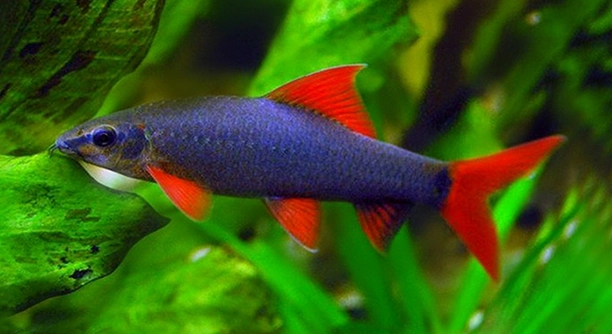
Rainbow Sharks are popular aquarium fish known for their vibrant colors and lively behavior. Introducing a new tankmate can sometimes be challenging for them. Helping your Rainbow Shark adjust smoothly is important for a peaceful aquarium environment.
Successfully integrating a new tankmate with a Rainbow Shark requires careful planning, gradual introductions, and monitoring for stress or aggression. Providing adequate space and hiding spots reduces conflict and supports positive interactions between the fish.
These tips will help you create a calm and balanced tank where your Rainbow Shark and its new companion can thrive together.
Preparing the Tank for a New Companion
Before introducing a new tankmate, it’s important to prepare the tank properly. Clean the tank thoroughly and check all equipment to ensure everything works well. Make sure the tank is large enough to accommodate both fish comfortably, as Rainbow Sharks need space to swim and hide. Add plenty of plants, rocks, or decorations to create hiding spots. This setup helps reduce stress and territorial behavior. Also, test the water parameters such as pH, temperature, and ammonia levels to ensure a healthy environment for both fish. Keeping the water stable prevents health problems and aggression. Introducing a new fish into a well-maintained and spacious tank will increase the chances of a smooth adjustment and peaceful coexistence between your Rainbow Shark and the new tankmate.
A properly prepared tank provides comfort and reduces tension when adding a new fish. It creates a safer environment for both.
Planning and adjusting the tank setup before adding a new fish sets the foundation for successful integration. Giving both fish room to establish their own spaces can minimize conflict. Decorations and plants act as natural barriers and resting places. This also helps each fish feel secure, which lowers stress levels. Regular water testing and maintenance protect the health of all aquatic life. When you take these steps, you are creating an environment where your Rainbow Shark and its new companion have the best chance to live harmoniously.
Introducing the New Tankmate Gradually
Introducing a new tankmate slowly is key to a peaceful tank. Avoid placing the new fish directly into the main tank immediately.
Start by using a separate container or tank to acclimate the new fish to the water conditions. Let the Rainbow Shark and new fish see each other without direct contact by placing them in divided sections. This allows them to get used to each other’s presence without the risk of fighting. After a few days, if both fish seem calm, you can try a supervised introduction. Watch closely for signs of aggression and be ready to separate them if needed. Gradual introduction helps reduce stress and allows both fish to adapt to the change.
Taking time during the introduction reduces chances of aggression and stress. It gives both fish a chance to become familiar and accept each other in the shared space.
Monitoring Behavior After Introduction
Watch your Rainbow Shark and the new tankmate closely after introduction. Look for signs of stress, such as hiding, chasing, or aggressive behavior. Early detection of problems helps prevent serious conflicts.
Observing fish behavior is crucial during the first days and weeks. Some chasing and territorial displays are normal as they establish boundaries. However, if aggression becomes constant or severe, it may be necessary to separate them temporarily. Provide extra hiding spaces to reduce stress and allow the fish to retreat when needed. Keep feeding consistent and ensure both fish get enough food without competition. Recording behavior changes can help you track progress and decide if further steps are needed to maintain harmony in the tank.
If aggression continues despite precautions, consider consulting aquarium experts or adjusting the tank setup. Your goal is a peaceful environment for all fish.
Feeding Practices to Promote Peace
Feed both your Rainbow Shark and the new fish regularly to reduce competition. Unequal feeding can lead to stress and fighting.
Offer food in multiple spots around the tank to ensure both fish can eat without feeling threatened. High-quality pellets, flakes, or frozen food suitable for both species work best. Avoid overfeeding, which can harm water quality and cause health issues. Maintain a feeding schedule to create a routine, helping fish feel secure. Healthy, well-fed fish are less likely to act aggressively toward one another. Adjust feeding amounts based on their activity and appetite, and remove leftover food promptly to keep the tank clean. Proper feeding supports a calmer and more balanced tank environment.
Providing Hiding Spots
Hiding spots are essential to reduce stress and prevent conflicts. Rainbow Sharks and new tankmates need places to retreat and feel safe.
Use caves, plants, and decorations to create multiple hiding areas. This allows each fish to claim its own space without feeling threatened.
Keeping Water Quality High
Maintaining clean, stable water is critical. Regular water changes and proper filtration help keep ammonia, nitrite, and nitrate levels low.
Good water quality supports fish health and reduces stress, which can prevent aggression. Test water parameters frequently to catch any issues early and adjust care as needed.
Being Patient
Patience is necessary when introducing new tankmates. Adjustment takes time, and rushing can cause setbacks.
Allow the fish days or even weeks to settle. Consistent care and observation will support a peaceful, balanced aquarium.
How long does it take for a Rainbow Shark to adjust to a new tankmate?
Adjustment time varies, but typically it takes a few days to several weeks. Some Rainbow Sharks settle quickly if the tank is large and well-prepared. Others may show territorial behavior longer. Providing hiding spots and gradually introducing the new fish can shorten this period. Patience and close observation help ensure the fish adapt without ongoing stress or fighting.
Can Rainbow Sharks live peacefully with any fish?
Rainbow Sharks are semi-aggressive and territorial, so not all fish make good tankmates. Ideal companions are peaceful but fast enough to avoid bullying. Avoid slow, small, or very passive fish, as they may get stressed or harmed. Good matches include larger schooling fish or robust species that tolerate similar water conditions.
What signs show that my Rainbow Shark is stressed?
Look for hiding more than usual, loss of appetite, sudden color fading, or frantic swimming. Aggressive chasing or biting other fish can also indicate stress. Stress can weaken their immune system, making them prone to disease. Monitoring behavior closely after introducing a new tankmate helps catch stress early.
How often should I feed my Rainbow Shark and its new tankmate?
Feed your fish once or twice daily with appropriate amounts. Overfeeding can pollute the water and cause health problems, while underfeeding leads to aggression. Use sinking pellets or wafers suitable for bottom dwellers like Rainbow Sharks. Spread food across the tank so both fish can eat comfortably.
Is it necessary to quarantine the new fish before adding it to the tank?
Yes, quarantining new fish for two weeks helps prevent disease spread. It allows you to monitor health and treat any issues before introducing the new fish. This step protects both your Rainbow Shark and other tankmates from infections.
What should I do if the Rainbow Shark keeps attacking the new fish?
If aggression is persistent, separate the fish immediately to avoid injury. Reevaluate tank size and hiding places. Sometimes rearranging decorations can disrupt territorial claims and reduce fights. If aggression continues, consider choosing a different tankmate or setting up a separate tank.
Can I add more than one new tankmate at the same time?
Adding multiple new fish simultaneously increases stress and territorial disputes. It’s better to add one new fish at a time and monitor interactions. This allows your Rainbow Shark to adjust gradually and helps you spot problems early.
How important is tank size for Rainbow Sharks with new tankmates?
Tank size is very important. A larger tank reduces territorial conflicts by providing enough space for all fish. A minimum of 30 gallons is recommended for one Rainbow Shark, with additional space needed for each new fish. More space also means more room for hiding spots and swimming.
Should I change the tank layout when introducing a new fish?
Changing the tank layout before adding a new fish can help reset territories. Rearranging decorations and plants prevents your Rainbow Shark from feeling too dominant over familiar spaces. This can reduce aggression and make introductions smoother.
What water conditions are best for Rainbow Sharks and their tankmates?
Rainbow Sharks prefer temperatures between 74°F and 80°F, a pH of 6.5 to 7.5, and moderate water hardness. Ensure the new tankmate has similar requirements to avoid stress from incompatible water conditions. Consistent water quality and stable parameters are key to fish health.
How can I tell if my new tankmate is compatible?
Watch for calm interactions and minimal chasing after introduction. Both fish should eat well and explore the tank without signs of stress. Compatibility also depends on size, temperament, and activity level. If either fish shows persistent aggression or hiding, the pairing may not work.
Is it normal for Rainbow Sharks to be territorial?
Yes, Rainbow Sharks naturally defend their territory, especially during feeding or resting. Some territorial behavior is expected but should not be violent or constant. Providing space and hiding spots helps control this behavior.
What types of hiding spots work best?
Caves, dense plants, driftwood, and rock formations provide effective hiding places. These allow fish to escape when feeling threatened and reduce aggressive encounters. Multiple hiding spots spread throughout the tank give both fish personal space.
How do I clean the tank without stressing the fish?
Perform partial water changes regularly, about 20-30% weekly. Use a siphon to remove debris without disturbing the substrate too much. Avoid sudden temperature or water chemistry changes. Clean filters gently and avoid over-cleaning beneficial bacteria. A calm cleaning routine keeps fish stress low.
Can stress from new tankmates cause illness in Rainbow Sharks?
Yes, stress weakens the immune system, making Rainbow Sharks prone to infections like fin rot or ich. Reducing stress by proper introduction, good tank conditions, and feeding supports their health. Early intervention is key if illness appears.
Helping your Rainbow Shark adjust to a new tankmate takes effort and care. Each fish has its own personality, and their reactions can be different. Being patient and paying close attention to their behavior helps you understand how well they are adapting. It is normal for fish to show some territorial behavior at first, but this should not turn into constant aggression. Creating a peaceful tank environment starts with good preparation and thoughtful management of their space and needs.
A few simple steps can make a big difference. Preparing the tank with enough room and hiding spots helps reduce stress for both your Rainbow Shark and the new fish. Introducing the new tankmate slowly, and allowing the fish to get used to each other without direct contact at first, lowers the chance of fights. Feeding them properly and regularly ensures they stay healthy and calm. Maintaining good water quality is just as important because clean water supports the fish’s immune systems and overall well-being. By paying attention to these basics, you create the best chance for a smooth adjustment.
It is important to remember that every situation is unique. Sometimes fish get along quickly, and other times it may take longer for them to settle. If problems continue, it may be necessary to make changes to the tank layout, add more hiding places, or reconsider the choice of tankmates. Watching your fish daily and responding to any signs of stress or aggression is the best way to protect their health. With time, patience, and care, your Rainbow Shark and its new companion can live together peacefully and enjoy a balanced aquarium environment.

Hello,
If you enjoy the content that we create, please consider saying a "Thank You!" by leaving a tip.
Every little bit helps us continue crafting quality advice that supports the health, happiness, and well-being of pets around the world, for pets of all shapes, sizes, and species.
We really appreciate the kindness and support that you show us!