
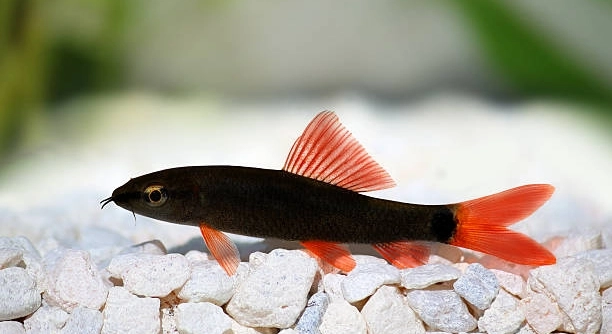
Rainbow sharks are popular aquarium fish known for their striking colors and active nature. However, they can sometimes show aggression, which can disrupt a peaceful tank environment. Learning how to prevent this behavior helps keep your fish and tank mates safe.
Controlling rainbow shark aggression mainly involves providing enough space, proper hiding spots, consistent feeding, and minimizing stress. Maintaining good water quality and compatible tank mates also plays a key role in reducing their territorial behavior.
Understanding these tips will help you create a calmer and healthier environment for your rainbow sharks and other fish. This guide will cover essential steps to manage aggression effectively.
Provide Enough Space for Each Fish
Rainbow sharks need plenty of room to swim and establish their territory. A crowded tank increases stress and can trigger aggression. Ideally, a tank should be at least 40 gallons for one rainbow shark, with an extra 10 gallons for each additional fish. This space helps reduce encounters that cause fighting. When the tank is too small, rainbow sharks feel threatened and act defensively. Make sure to arrange decorations and plants to create clear swimming paths and visual breaks. This setup allows the fish to avoid constant confrontation. Spacing helps maintain a peaceful environment where all fish can thrive.
A roomy tank helps rainbow sharks feel less stressed and reduces aggressive behavior. It gives them a chance to settle into their space comfortably.
Keeping your tank spacious not only calms your rainbow sharks but also benefits other fish. Proper space supports natural behavior and reduces injury risks caused by fighting. When setting up, consider both the tank size and the number of fish. Adjust decorations to create zones where rainbow sharks can retreat if needed. Monitoring their behavior over time will help you see if the space is enough or if changes are necessary.
Create Hiding Spots and Safe Zones
Providing hiding places helps reduce stress and aggression. Rainbow sharks need areas to retreat when feeling threatened.
Adding caves, plants, or driftwood creates safe zones where rainbow sharks can rest. These spots break up sightlines and prevent constant territorial disputes. Hiding places also make the tank more natural and interesting. When fish feel secure, they show less aggressive behavior. Variety in hiding spots keeps the tank balanced and calm.
Carefully choose decorations that won’t hurt the fish. Smooth surfaces and non-toxic plants are best. Position hiding spots in different parts of the tank to encourage exploration and comfort. This setup mimics their natural environment and improves their well-being. By providing safety zones, you help your rainbow sharks relax and interact peacefully with other fish.
Feed a Balanced and Regular Diet
Feeding your rainbow shark regularly with a balanced diet helps reduce aggression caused by hunger or competition for food.
A well-fed rainbow shark is less likely to act aggressively toward other tank mates. Provide high-quality pellets designed for omnivorous fish, supplemented with occasional live or frozen foods like bloodworms or brine shrimp. Feeding small amounts two to three times daily prevents overfeeding and keeps their energy steady. Avoid leaving excess food in the tank, as this can harm water quality.
Consistency in feeding times also helps reduce stress. When fish know when to expect food, they become less anxious and territorial during feeding. This routine supports calmer behavior and better health. Monitoring your rainbow shark’s eating habits helps you adjust portions and types of food, ensuring they stay satisfied and peaceful.
Maintain Proper Water Quality
Stable water conditions are critical for rainbow sharks, as poor water quality increases stress and aggression.
Regular water testing helps detect harmful levels of ammonia, nitrites, and nitrates early. Aim for a temperature between 74-80°F and a pH near neutral (6.5-7.5). Frequent water changes, at least 20-30% weekly, keep the environment clean and reduce toxin buildup. Using a good filter is also essential for maintaining clear, oxygen-rich water.
When water quality is consistent, rainbow sharks stay healthy and less prone to stress-induced aggression. Stress from poor water can weaken their immune systems and make them more likely to lash out. Investing time in water maintenance creates a stable home that benefits all your fish. Regular checks and adjustments ensure your tank remains a peaceful space.
Choose Compatible Tank Mates
Rainbow sharks can be territorial, so selecting peaceful, fast-swimming tank mates helps reduce conflict. Avoid slow or long-finned fish that may attract aggression.
Species like danios, barbs, and larger tetras usually coexist well. Keeping aggressive or similar-sized bottom dwellers away prevents territorial disputes and maintains harmony.
Keep the Tank Clean
A clean tank supports healthy fish and lowers aggression. Remove uneaten food and waste regularly to prevent harmful bacteria growth.
Regular water changes and substrate cleaning help maintain a safe environment. Clean tanks reduce stress and promote natural behavior, making your rainbow sharks calmer and more comfortable.
Monitor Behavior Closely
Watch your rainbow sharks for signs of increased aggression or stress. Early detection allows you to act before problems escalate.
Intervene by rearranging the tank, adjusting feeding, or isolating aggressive individuals to maintain peace and balance.
FAQ
Why do rainbow sharks become aggressive?
Rainbow sharks are naturally territorial fish. When their space is limited or their environment feels threatened, they may act aggressively to protect their area. Aggression can also arise if they feel stressed due to poor water quality, hunger, or incompatible tank mates. Ensuring enough space and a stable environment reduces this behavior.
How can I tell if my rainbow shark is stressed?
Signs of stress include hiding more than usual, erratic swimming, loss of color, or refusal to eat. Aggressive attacks or injuries on other fish can also indicate stress. Regular observation helps catch these signs early so you can adjust care accordingly.
Is it normal for rainbow sharks to chase other fish?
Some chasing is normal since they defend their territory. However, constant or severe chasing may harm other fish and should be addressed. Providing hiding spots and enough room can reduce chasing and promote peace.
Can overcrowding cause aggression in rainbow sharks?
Yes. Overcrowding forces rainbow sharks into close contact, increasing competition for space and food. This leads to higher stress and territorial fights. Keeping an adequately sized tank helps prevent these issues.
What tank size is best for rainbow sharks?
A minimum of 40 gallons is recommended for one rainbow shark. For each additional fish, add at least 10 more gallons. Larger tanks provide better space and reduce aggression by allowing fish to spread out.
Do rainbow sharks get along with other fish?
They generally do well with peaceful, fast-swimming species. Avoid slow, long-finned, or bottom-dwelling fish that compete for the same space. Choosing compatible tank mates lowers the chance of aggression.
How often should I feed my rainbow shark?
Feed two to three small meals daily with a balanced diet. Consistent feeding prevents hunger-driven aggression. Avoid overfeeding to keep water quality stable.
What is the best diet for rainbow sharks?
A diet of high-quality omnivore pellets, supplemented with occasional live or frozen foods like bloodworms or brine shrimp, meets their nutritional needs. Variety helps maintain health and reduces aggressive food competition.
How important is water quality for controlling aggression?
Water quality is crucial. Poor water conditions cause stress, weakening the fish and making them more aggressive. Regular water changes, testing, and filtration keep water clean and fish healthy.
What should I do if my rainbow shark keeps attacking tank mates?
Try increasing tank size, adding hiding spots, or adjusting feeding routines. If aggression continues, consider separating the aggressive fish temporarily or permanently to protect others.
Can rearranging the tank reduce aggression?
Yes. Changing decorations and hiding places breaks established territories, which can reset territorial behavior. This often calms down aggressive interactions by making fish reestablish boundaries.
Are there any signs that a rainbow shark is ready to breed?
Rainbow sharks rarely breed in home aquariums, but signs include chasing or displaying brighter colors. Aggression may increase during this time, so extra care is needed to manage stress.
How do I safely isolate an aggressive rainbow shark?
Use a separate quarantine tank or breeding box to isolate the fish without stress. Make sure water conditions match the main tank. Isolation helps protect other fish until aggression decreases.
Can adding plants help with aggression?
Yes. Live or artificial plants create visual barriers and hiding spots, which reduce stress and fighting. Plants also improve the tank’s natural feel, helping rainbow sharks feel secure.
What’s the best way to introduce new fish to a rainbow shark tank?
Introduce new fish slowly and during feeding time to distract territorial behavior. Make sure the tank has enough space and hiding spots. Monitor closely for signs of aggression during the first few days.
How often should I test the water in a rainbow shark tank?
Test water weekly for ammonia, nitrites, nitrates, pH, and temperature. Regular testing ensures stable conditions, which prevent stress and aggression.
Are rainbow sharks aggressive toward their own kind?
Yes, especially if kept in small tanks or with multiple males. They tend to be territorial and can fight with each other. Provide enough space and hiding spots to reduce conflicts between rainbow sharks.
What signs show a fish is injured from aggression?
Look for torn fins, scratches, missing scales, or unusual swimming patterns. Injuries require prompt attention to prevent infection and further stress.
How do I treat injuries caused by aggression?
Isolate injured fish if needed and maintain excellent water quality. Use appropriate medications if infection occurs. Reducing aggression in the tank helps prevent future injuries.
Can lighting affect rainbow shark aggression?
Bright, constant lighting can increase stress. Providing a natural day-night cycle with moderate light helps maintain calm behavior.
Is it okay to keep only one rainbow shark?
Yes, keeping a single rainbow shark often results in less aggression and easier tank management. If you want more, ensure enough space and compatible mates.
How can I tell if my tank is too small?
Signs include constant chasing, frequent territorial disputes, and signs of stress like hiding or loss of color. A tank that feels crowded or noisy usually means it’s too small for your fish.
When caring for rainbow sharks, managing their aggression is an important part of maintaining a peaceful aquarium. These fish have natural territorial instincts that can lead to conflicts if their environment is not set up properly. Providing enough space, hiding spots, and a balanced diet helps reduce their aggressive tendencies. Keeping water quality stable and choosing compatible tank mates are also key factors. All of these steps work together to create a healthy and calm environment for your rainbow sharks and other fish.
Aggression in rainbow sharks does not mean they are bad fish; it is simply their way of protecting their territory and feeling secure. By understanding their behavior and needs, you can take practical actions to limit conflicts. Giving them room to swim, areas to hide, and consistent feeding times makes a big difference. Watching for early signs of stress or aggression allows you to adjust care before problems get worse. This attention helps your fish live longer and more comfortably.
In the end, patience and observation are essential when keeping rainbow sharks. Every tank and fish is different, so it may take some trial and error to find what works best. Regular maintenance of the tank and thoughtful choices about fish companions support a balanced aquatic community. When you put effort into meeting the needs of your rainbow sharks, you will enjoy a vibrant and peaceful tank. This makes the experience rewarding for both you and your fish.

Hello,
If you enjoy the content that we create, please consider saying a "Thank You!" by leaving a tip.
Every little bit helps us continue crafting quality advice that supports the health, happiness, and well-being of pets around the world, for pets of all shapes, sizes, and species.
We really appreciate the kindness and support that you show us!