
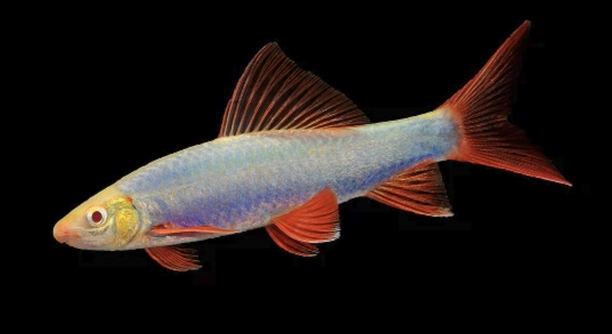
Rainbow sharks are popular aquarium fish known for their striking colors and active behavior. However, their territorial nature can cause challenges for many fishkeepers. Managing these territorial disputes helps create a peaceful environment in your tank.
Rainbow shark territorial issues mainly arise from their instinct to defend space aggressively. Effective management includes providing ample hiding spots, sufficient swimming areas, and careful tank mate selection to reduce conflicts and promote harmonious tank dynamics.
Understanding these key points will support you in creating a calmer aquarium atmosphere and maintaining the well-being of your rainbow sharks.
Create Plenty of Hiding Spaces
Rainbow sharks feel safer when they have multiple hiding spots. Rocks, caves, and plants help break up the tank and reduce open areas where they feel exposed. When they have places to retreat, aggression usually drops. Without enough shelter, they become more defensive and may chase other fish more often. Adding decorations that provide cover can make a big difference in their behavior. It also helps if hiding spots are spread throughout the tank so no single fish controls all the shelter.
A well-structured tank with hiding places mimics their natural environment and supports less stress. This simple change can lead to a calmer community tank.
Placing hiding spots strategically can keep peace. Try varying the types of shelters and spread them evenly. Avoid clustering all caves or plants in one corner. This way, rainbow sharks won’t feel the need to guard just one area, which lowers fighting chances significantly.
Choose Compatible Tank Mates
Selecting tank mates carefully helps reduce aggression. Rainbow sharks do best with peaceful fish that prefer different tank levels. Avoid other territorial bottom dwellers or overly aggressive species. Compatibility reduces territorial disputes and helps all fish coexist peacefully.
Keeping rainbow sharks with non-aggressive mid and top swimmers allows each fish to have its own space. Active schooling fish can distract rainbow sharks from focusing on territory fights. Fish like tetras or danios often work well. Avoid slow-moving or long-finned fish that might be harassed. Choosing tank mates that do not compete for the same space or food prevents unnecessary conflicts. Understanding the temperament and habits of potential tank mates is essential. Adding compatible fish in groups also helps balance interactions, reducing the chance of a single fish becoming a target. When introducing new fish, monitor closely for signs of stress or aggression and be prepared to separate if needed. This thoughtful selection fosters a more peaceful tank environment for all inhabitants.
Maintain Proper Tank Size
Rainbow sharks need enough space to establish their own territories. A small tank can increase stress and lead to frequent conflicts. A minimum of 30 gallons is recommended for one rainbow shark to reduce territorial behavior.
Larger tanks help by offering more swimming room and space for hiding spots. When territory boundaries are clear and spread out, rainbow sharks are less likely to clash. Crowded tanks often force fish into close proximity, increasing stress and aggression. Overcrowding also makes it harder to keep water conditions stable, which can further upset fish.
Providing a spacious environment supports natural behavior and reduces fights. Keeping the tank clean and well-maintained also helps fish feel more comfortable, lowering the chance of territorial disputes caused by stress or poor conditions.
Monitor Feeding Practices
Feeding rainbow sharks properly impacts their behavior. Overfeeding or underfeeding can lead to increased aggression. Feeding small amounts multiple times a day helps keep them satisfied and calm.
Uneven feeding can trigger fights as fish compete for food. Make sure all fish get access to food by spreading it out across the tank. This prevents dominant rainbow sharks from guarding feeding areas aggressively. Using sinking pellets ensures the rainbow sharks receive enough food without competing too much with mid or top swimmers.
Regular feeding schedules and balanced nutrition support overall health. Healthy fish tend to be less territorial because they have less stress and more energy for natural interactions rather than fights over food or space.
Establish Clear Territory Boundaries
Rainbow sharks naturally defend their space, so clear boundaries help minimize conflict. Arranging tank decorations to create visual breaks can reduce tension. Dividing the tank into sections gives each fish its own area, lowering the chance of territorial disputes.
Using plants, rocks, or driftwood to separate spaces signals distinct territories. This reduces overlap and keeps fish from feeling crowded. Clear boundaries support peaceful coexistence.
Regular Tank Maintenance
Keeping the tank clean and stable prevents stress-related aggression. Regular water changes and monitoring water parameters improve fish health. Stress from poor water quality can increase territorial behaviors.
Healthy fish are less likely to fight. Maintaining consistent conditions supports a calm environment, making it easier to manage rainbow sharks’ territorial nature.
Use Distractions to Diffuse Tension
Introducing new objects or rearranging decorations can distract rainbow sharks from territorial battles. Changes in the tank environment shift their focus and reduce aggression temporarily.
Simple adjustments help reset established territories and ease tension among fish.
Observe Behavior Closely
Watch your rainbow sharks to catch early signs of aggression. Early intervention prevents fights from escalating.
Timely actions protect all tank inhabitants and keep peace.
FAQ
Why are my rainbow sharks so aggressive?
Rainbow sharks are naturally territorial fish. Their aggression comes from an instinct to protect their space, especially in confined or crowded tanks. When they feel their territory is threatened, they chase or nip at other fish to keep control. Stress from poor water quality, lack of hiding spots, or insufficient space can increase aggressive behavior. Ensuring proper tank size, enough shelters, and compatible tank mates usually helps reduce aggression.
How big should my tank be for rainbow sharks?
A minimum tank size of 30 gallons is recommended for one rainbow shark. Larger tanks are better when keeping more than one because they provide enough room for territories to form without constant clashes. Crowded or small tanks force fish into close quarters, leading to stress and fights. A spacious environment supports natural behavior and lowers territorial disputes.
Can I keep multiple rainbow sharks together?
Keeping multiple rainbow sharks can be challenging because of their territorial nature. If you want more than one, a larger tank (55 gallons or more) is necessary to provide enough space for each to claim its own territory. Adding plenty of hiding spots and breaking up open areas helps reduce aggression. Sometimes keeping only one rainbow shark is the best choice for a peaceful tank.
What tank mates are best for rainbow sharks?
Good tank mates are peaceful fish that occupy different areas of the tank, such as mid or top swimmers. Species like tetras, danios, or barbs often coexist well because they don’t compete directly with rainbow sharks for territory or food. Avoid other bottom dwellers or aggressive fish to prevent conflicts. Choosing compatible fish helps keep the tank balanced and calm.
How do hiding spots help with aggression?
Hiding spots give rainbow sharks places to retreat when they feel threatened. When fish have safe shelters, they are less likely to feel the need to defend every inch of the tank aggressively. Rocks, caves, plants, and driftwood create visual barriers that break up the tank space. This lowers stress and reduces chasing or nipping behaviors.
What should I feed my rainbow shark to reduce aggression?
Feeding a balanced diet with sinking pellets or wafers designed for omnivores keeps rainbow sharks healthy and satisfied. Feeding small amounts multiple times a day prevents food competition, which can lead to aggression. Spreading food throughout the tank ensures all fish have access without the rainbow shark guarding a specific feeding spot.
How often should I clean my tank to reduce territorial issues?
Regular maintenance, including weekly partial water changes of 20-30%, helps keep water quality high and fish healthy. Clean water reduces stress, which lowers aggression. Removing uneaten food and debris prevents harmful buildup. Monitoring water parameters like ammonia, nitrite, nitrate, and pH keeps conditions stable and supports peaceful behavior.
What signs show my rainbow shark is stressed?
Signs of stress include excessive hiding, rapid breathing, loss of color, or constant chasing of tank mates. Stress can also weaken the immune system, leading to illness. When rainbow sharks feel threatened or uncomfortable, their territorial behavior tends to increase. Improving tank conditions and environment can help ease stress.
Can rearranging the tank help reduce fights?
Yes, rearranging tank decorations disrupts established territories and distracts fish. This breaks the routine and reduces aggression temporarily. Changing the layout forces rainbow sharks to explore and settle new boundaries, which can calm aggressive behavior. Be careful not to stress the fish too much with frequent changes.
When should I separate aggressive rainbow sharks?
If aggression leads to injury or constant stress for other fish, separating the rainbow sharks may be necessary. Use a divider or a separate tank if fights persist despite environmental improvements. Early intervention prevents harm and helps maintain a peaceful aquarium for all fish.
How do I know if my tank size is too small?
If your rainbow sharks frequently chase or nip at other fish, or if they show signs of stress, the tank may be too small. Overcrowding causes tension because fish cannot establish clear territories. Monitoring behavior closely helps determine if more space or a bigger tank is needed.
Are there any plants that help reduce territorial behavior?
Dense and bushy plants like Java fern, Anubias, or Vallisneria create natural hiding places and visual barriers. These plants break up open spaces and give rainbow sharks areas to retreat. Plants improve water quality and mimic the fish’s natural habitat, contributing to lower aggression levels.
Is it normal for rainbow sharks to chase other fish sometimes?
Yes, occasional chasing is normal as rainbow sharks patrol their territory. However, constant chasing or injury is a problem. Occasional displays are part of their behavior but should not dominate the tank’s atmosphere. Managing the environment can keep this behavior under control.
What water parameters are best for rainbow sharks?
Rainbow sharks thrive in water with a temperature of 72-79°F (22-26°C), pH between 6.5 and 7.5, and moderate hardness. Stable water conditions are important to prevent stress. Sudden changes in temperature or chemistry can increase aggressive behavior and health problems.
Can lighting affect territorial aggression?
Bright lighting may increase activity and visibility, which can sometimes heighten territorial displays. Providing dimmer or shaded areas through plants or decorations helps create comfortable zones. Adjusting light intensity can make the tank less stressful for rainbow sharks and reduce aggressive behavior.
What do I do if my rainbow shark injures another fish?
Separate the injured fish immediately to allow healing. Treat wounds if necessary using aquarium-safe medications. Check the tank environment to reduce triggers like overcrowding or lack of hiding spots. Monitor the aggressive fish closely and consider rearranging or adding shelters to prevent future injuries.
Managing territorial behavior in rainbow sharks requires attention to their natural instincts and tank environment. These fish naturally defend their space, which can lead to conflicts in home aquariums. Providing adequate space, hiding spots, and compatible tank mates is key to reducing aggression. A well-maintained tank with proper feeding and clean water supports the overall health and comfort of rainbow sharks, making territorial disputes less frequent. Understanding their behavior helps create a peaceful environment for both the rainbow sharks and their tank companions.
Tank size plays a significant role in minimizing territorial issues. When rainbow sharks have enough room to swim and claim their own area, they are less likely to feel threatened by others. Smaller tanks increase stress and the chance of aggressive encounters. Hiding spots and decorations also help by breaking the tank into separate sections. This prevents one fish from dominating the entire space. Thoughtful selection of tank mates reduces competition and creates balance. Regular observation and timely adjustments keep aggression under control and maintain harmony in the aquarium.
It is important to remain patient when managing rainbow shark territorial behavior. Changes may take time before showing clear results. Monitoring their interactions and maintaining good tank conditions are ongoing efforts that help keep fish stress low. If aggression becomes severe, separating fish or rearranging the tank may be necessary. With proper care and environment, rainbow sharks can thrive peacefully, allowing their bright colors and lively movements to enhance the aquarium experience.

Hello,
If you enjoy the content that we create, please consider saying a "Thank You!" by leaving a tip.
Every little bit helps us continue crafting quality advice that supports the health, happiness, and well-being of pets around the world, for pets of all shapes, sizes, and species.
We really appreciate the kindness and support that you show us!