
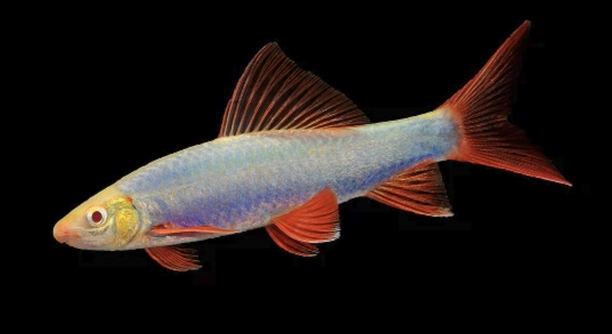
Is your rainbow shark not growing as expected despite your care? Many aquarists face this challenge when their fish appear smaller or less vibrant over time. Understanding common causes can help improve your rainbow shark’s health and growth.
Rainbow shark growth issues often result from factors such as poor water quality, inadequate diet, insufficient tank size, stress from tank mates, or disease. Each of these elements can significantly hinder the fish’s development and overall well-being if not properly managed.
Addressing these problems early can help your rainbow shark thrive in a healthy environment. The following reasons explain what might be affecting your fish’s growth and how to fix them.
Poor Water Quality
Water quality is crucial for your rainbow shark’s growth. If the water is dirty or has the wrong chemical balance, it can stress the fish and slow its development. Ammonia, nitrites, and nitrates should be kept at safe levels. Regular water changes and testing help maintain a healthy environment. Too many fish in the tank can also affect water quality. If your tank is overcrowded, waste builds up quickly, and water conditions worsen. Make sure your filtration system is working well and suitable for your tank size. Even small changes in pH or temperature can impact your fish’s health. Consistent water conditions allow your rainbow shark to grow strong and stay active.
Keeping water clean reduces disease risks and helps fish absorb nutrients better. Healthy water means a healthier, faster-growing rainbow shark.
A well-maintained tank supports your fish’s immune system and growth rate. Poor water can stunt growth, cause illness, and shorten lifespan.
Inadequate Diet
Feeding your rainbow shark properly is key to its growth. Rainbow sharks need a balanced diet rich in proteins and nutrients. A diet consisting only of flakes or pellets may not provide enough variety. Including live or frozen foods like bloodworms or brine shrimp can improve health and growth. Overfeeding or underfeeding can both cause problems. Overfeeding leads to poor water quality, while underfeeding slows growth. Feeding small amounts two or three times a day keeps metabolism steady and supports development.
Many owners overlook dietary variety, which is essential for vibrant colors and proper growth. Providing occasional vegetable matter can also help digestion and overall well-being. Monitor your fish’s eating habits and adjust the diet as needed.
A varied, nutrient-rich diet encourages healthy growth and strengthens the immune system. Without proper nutrition, rainbow sharks can become weak, stressed, and less colorful. To promote steady growth, focus on both quantity and quality of food. Maintaining a feeding schedule prevents overfeeding and water issues. Adjust the diet based on the fish’s size, age, and tank conditions to keep your rainbow shark thriving.
Insufficient Tank Size
A small tank limits your rainbow shark’s growth. These fish need space to swim and establish territory. Crowding causes stress, which slows development and weakens the immune system.
Rainbow sharks are active swimmers that can reach up to 6 inches in length. A tank under 30 gallons usually doesn’t provide enough room. Limited space increases aggression and competition for resources, both of which impact growth negatively. Proper tank size helps reduce stress and supports natural behavior. It also allows better water circulation, which improves water quality and oxygen levels. When choosing a tank, consider the adult size of your fish and add extra space to accommodate their activity level.
Ensuring adequate tank size is a simple but important step in promoting healthy growth. Larger tanks help maintain stable water parameters and reduce harmful behaviors that stunt development.
Stress from Tank Mates
Aggressive or overly active tank mates can stress rainbow sharks. Stress limits appetite and affects their overall health. Keeping compatible species together helps reduce tension.
Rainbow sharks are semi-aggressive and prefer to have their own space. Introducing peaceful fish that won’t compete for territory is ideal. Fish that chase or nip at your rainbow shark can cause continuous stress, leading to stunted growth. Avoid overcrowding and ensure hiding spots are available to reduce conflict. Regular observation helps identify problematic behaviors early. Stress also lowers immunity, making fish more vulnerable to diseases, which further restricts growth. Choosing calm and compatible tank mates supports a balanced, healthy environment for your rainbow shark.
Managing tank mates carefully ensures a peaceful setup, encouraging your rainbow shark to thrive without stress. This reduces health risks and promotes steady growth.
Poor Lighting Conditions
Lighting affects your rainbow shark’s behavior and growth. Too much or too little light can cause stress and disrupt their natural activity patterns.
Proper lighting helps maintain a stable day-night cycle. Balanced light supports feeding habits and overall health, encouraging steady growth.
Disease and Parasites
Diseases and parasites weaken rainbow sharks and stunt their growth. Infections often result from poor water quality or stress, which lowers their immune defenses. Signs like lethargy, discoloration, or abnormal swimming suggest health problems. Early treatment improves recovery chances and helps restore normal growth. Quarantining new fish prevents spreading illness in the tank. Keeping the environment clean and stable reduces risks. Regular observation ensures any issues are caught early and managed properly to protect your fish’s health.
Inconsistent Temperature
Rainbow sharks thrive in stable temperatures between 74°F and 80°F. Sudden changes or extremes cause stress, reducing appetite and growth. Consistent heating supports metabolism and immune function.
FAQ
Why isn’t my rainbow shark growing despite good water conditions?
Even with clean water, growth can be limited if the diet is not balanced or the tank size is too small. Rainbow sharks need varied food and enough space to swim freely. Stress from aggressive tank mates or inconsistent temperature can also slow growth. Check all these factors to ensure your fish thrives.
How often should I feed my rainbow shark to encourage growth?
Feeding two to three small meals per day is ideal. Overfeeding can foul the water, while underfeeding slows development. Include protein-rich foods like bloodworms or brine shrimp and occasional vegetable matter to support growth and health. Watch how much your fish eats and adjust accordingly.
What tank size is best for a growing rainbow shark?
A minimum of 30 gallons is recommended for one rainbow shark. Larger tanks are better as they reduce stress and improve water quality. Providing hiding spots and enough swimming room helps your fish feel secure and promotes steady growth.
Can stress from other fish really affect my rainbow shark’s growth?
Yes, stress lowers appetite and weakens the immune system. Aggressive or overly active tank mates cause tension, which can stunt growth. Keeping compatible, peaceful fish and avoiding overcrowding creates a calm environment that supports healthy development.
How important is water temperature for rainbow shark growth?
Stable water temperature between 74°F and 80°F is essential. Fluctuations cause stress and reduce metabolism. Using a reliable heater and thermometer helps maintain consistent conditions, promoting growth and overall health.
What are common signs of disease that affect growth?
Look for lethargy, faded colors, loss of appetite, clamped fins, or unusual swimming patterns. These signs indicate illness or parasites that can stunt growth. Early treatment and good water quality improve recovery chances.
Is lighting really a factor in my rainbow shark’s growth?
Yes, proper lighting supports natural behavior and feeding. Too much or too little light can cause stress and disrupt daily rhythms. Using a timer for about 8–10 hours of light daily creates a healthy cycle.
Should I quarantine new fish to protect my rainbow shark’s growth?
Quarantining new fish for at least two weeks prevents disease introduction. Healthy fish grow better, so keeping your tank free from infections is important. Observing new arrivals before adding them to the main tank reduces risks.
Can overfeeding harm my rainbow shark’s growth?
Overfeeding can cause poor water quality by increasing waste, leading to stress and disease. Feeding small portions that the fish can consume quickly keeps water cleaner and supports healthy growth.
What can I do if my rainbow shark stops growing?
Review all care aspects: water quality, diet, tank size, temperature, tank mates, and lighting. Fix any issues, and allow time for the fish to recover. Patience and consistent care are key to restoring growth.
Final thoughts on caring for your rainbow shark focus on creating a balanced environment that supports healthy growth. Ensuring clean water, a proper diet, adequate tank space, and compatible tank mates are the basic but essential steps. Each factor plays a significant role, and overlooking one can cause growth issues. Maintaining good water quality through regular testing and changes helps prevent stress and disease. Feeding a varied diet with protein-rich foods keeps your fish strong and vibrant. Additionally, a spacious tank allows your rainbow shark to swim comfortably and establish territory, which reduces stress. Together, these conditions form the foundation for your fish’s well-being.
Stress is a common but often underestimated factor affecting rainbow shark growth. Aggressive or incompatible tank mates can cause tension, which weakens your fish and slows development. Keeping the tank population balanced and peaceful encourages natural behavior and promotes a calm atmosphere. Temperature consistency and proper lighting also matter, as fluctuations and improper light cycles can interfere with metabolism and daily activities. Monitoring your fish regularly for signs of illness, stress, or unusual behavior allows early intervention before problems worsen. Taking a proactive approach helps your rainbow shark stay healthy and grow steadily.
Finally, patience is important when working to improve your rainbow shark’s growth. Changes in water conditions, diet, or environment may take time to show results. Avoid rushing or making too many adjustments at once, as sudden changes can add stress. Focus on steady, consistent care and observe how your fish responds over weeks or months. By understanding and meeting the needs of your rainbow shark, you create a supportive environment that encourages strong growth and long-term health. Keeping these points in mind ensures your rainbow shark remains a vibrant, thriving part of your aquarium.

Hello,
If you enjoy the content that we create, please consider saying a "Thank You!" by leaving a tip.
Every little bit helps us continue crafting quality advice that supports the health, happiness, and well-being of pets around the world, for pets of all shapes, sizes, and species.
We really appreciate the kindness and support that you show us!