
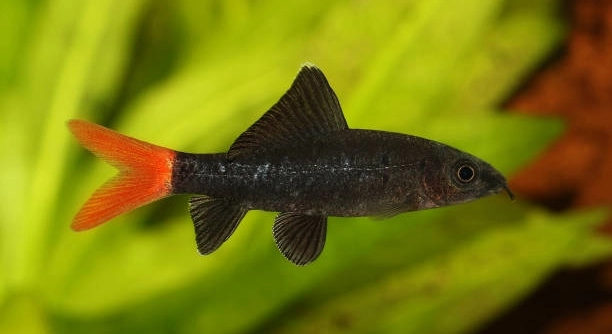
Rainbow sharks are popular aquarium fish known for their bright colors and active nature. Many owners enjoy watching them swim but sometimes struggle to give them enough attention. Proper care helps these fish stay healthy and happy in home tanks.
Ensuring your rainbow shark receives adequate attention requires consistent interaction and environment enrichment. Providing a suitable habitat, maintaining water quality, and offering varied stimulation can promote natural behaviors and reduce stress, which is essential for the fish’s well-being.
This article shares practical tips that can help you better connect with your rainbow shark and improve its quality of life.
Creating a Comfortable Environment
A comfortable environment is key to keeping your rainbow shark engaged and healthy. These fish prefer spacious tanks with plenty of hiding spots. Rocks, plants, and decorations provide shelter and reduce stress. A tank of at least 30 gallons is ideal to give them room to swim freely. Water temperature should stay between 72 and 79 degrees Fahrenheit, and the pH level should be neutral to slightly acidic. Keeping the tank clean by performing regular water changes helps maintain good water quality. Avoid overcrowding by limiting the number of tank mates. A peaceful community fish setup works best since rainbow sharks can be territorial. Proper lighting mimics their natural habitat and encourages activity. By focusing on these environmental factors, your rainbow shark will feel safe and more interactive.
In addition to tank setup, consider adding a gentle water flow. It mimics natural streams and keeps your fish comfortable.
Offering a well-maintained, stimulating environment encourages your rainbow shark to explore and display natural behavior. This creates opportunities for you to observe and interact with your fish. A good habitat reduces stress, which leads to better health and longer life. Consistency in tank care is vital, as sudden changes can upset your fish. Observing how your rainbow shark reacts to different tank arrangements can guide you in improving its living space. These small adjustments can make a big difference in your fish’s happiness and engagement.
Regular Feeding and Interaction
Feeding your rainbow shark regularly with a balanced diet is important for its health and activity. They enjoy sinking pellets, algae wafers, and occasional live or frozen foods like bloodworms. Avoid overfeeding, which can harm water quality and fish health. Feed small amounts twice a day.
Consistent feeding routines help build recognition and trust between you and your fish.
By watching feeding habits, you can also notice early signs of health problems. Interaction during feeding times is an easy way to provide attention. Offering food by hand or near the tank glass encourages your rainbow shark to approach you. This interaction strengthens your bond and makes your fish more responsive. Remember, patience is key as some rainbow sharks may take time to feel comfortable. Feeding is not just about nutrition but also about enriching your fish’s day. Including varied food items keeps their diet interesting and supports overall well-being. Regular interaction paired with a nutritious diet keeps your rainbow shark lively and engaged.
Providing Mental Stimulation
Rainbow sharks need mental stimulation to stay active and healthy. Adding new decorations or rearranging the tank can keep them curious. Introducing live plants encourages natural behavior like exploring and hiding. Simple changes can prevent boredom and improve their overall well-being.
Creating varied environments helps your rainbow shark stay engaged longer. Changing tank decorations every few weeks offers new places to explore. Live plants are especially good since they provide natural hiding spots and improve water quality. These plants create a more dynamic space, which can encourage your fish to be more active. Interactive elements like floating toys or gentle water currents also stimulate natural responses. When your fish shows interest in its surroundings, it signals good mental health. Observing these behaviors helps you understand what your rainbow shark enjoys most.
Rotating tank features ensures your fish does not become accustomed to the same setting. This keeps their environment lively and interesting over time.
Consistent Health Checks
Regular health checks are crucial for your rainbow shark’s longevity. Watch for signs of illness such as changes in color, appetite, or swimming patterns. Early detection helps prevent serious issues and ensures prompt treatment. Maintaining a clean tank supports overall health.
Performing weekly inspections allows you to catch subtle changes before they worsen. Check fins for tears or fungus and look for unusual spots on the body. Monitor behavior closely—lethargy or hiding more than usual can signal a problem. Water tests for ammonia, nitrate, and pH levels prevent toxic buildup that can harm your fish. If illness is suspected, isolate the affected fish and seek advice from a veterinarian or aquarium expert. Keeping a health log can track improvements or declines over time. Being proactive about health reduces stress and promotes a strong immune system for your rainbow shark.
Encouraging Social Interaction
Rainbow sharks can be territorial but may coexist with peaceful tank mates. Introducing compatible species helps reduce loneliness. Avoid overcrowding to prevent stress.
Careful selection of tank mates is essential. Fish like loaches or catfish often get along well with rainbow sharks, promoting a balanced social environment.
Using Visual Cues
Bright colors and movement attract your rainbow shark’s attention. Placing objects near the tank can stimulate curiosity. Reflections and shadows also encourage activity.
Regularly changing visual stimuli inside or outside the tank keeps your fish interested and responsive to its surroundings.
Setting a Routine
Fish thrive on routine. Feeding, cleaning, and interacting at consistent times builds trust and reduces stress. A predictable schedule helps your rainbow shark feel secure.
Establishing a daily routine creates a stable environment, encouraging your fish to be more active and engaged with you.
Monitoring Behavior
Watch your rainbow shark’s behavior for signs of stress or illness. Sudden changes in activity or appetite require attention to prevent health issues.
Early response to behavioral changes supports your fish’s well-being and helps maintain a positive environment.
FAQ
How often should I interact with my rainbow shark?
Interacting daily, even briefly, helps your rainbow shark become familiar with you. This can include feeding, observing, or gently tapping the tank. Regular attention reduces stress and encourages natural behaviors, making your fish more active and engaged.
What is the best way to feed a rainbow shark?
Feed your rainbow shark small portions twice a day. Use sinking pellets or wafers designed for bottom feeders. Supplement with occasional live or frozen foods like bloodworms for variety. Avoid overfeeding to maintain water quality and prevent obesity.
Can rainbow sharks live with other fish?
Yes, but tank mates must be chosen carefully. Peaceful species like loaches, plecos, or danios usually coexist well. Avoid aggressive or slow-moving fish, as rainbow sharks can be territorial and may stress or injure others.
How large should the tank be?
A minimum of 30 gallons is recommended. This gives enough swimming space and reduces territorial behavior. Larger tanks are better for multiple fish and create a more stable environment.
What water conditions are ideal?
Rainbow sharks prefer water temperatures between 72–79°F (22–26°C). The pH should be neutral to slightly acidic (6.5–7.5). Regular testing and maintenance prevent harmful ammonia or nitrate buildup.
How do I know if my rainbow shark is healthy?
Healthy rainbow sharks are active, have vibrant colors, and eat well. Watch for signs like clear eyes, smooth fins, and steady swimming. Changes in behavior, appetite loss, or spots may indicate illness.
What should I do if my rainbow shark shows signs of illness?
Isolate the fish in a quarantine tank to prevent spreading disease. Check water quality and consult a vet or aquarium specialist. Treatments vary, so early diagnosis is important for recovery.
How can I reduce stress for my rainbow shark?
Maintain a stable environment with proper water conditions and hiding spots. Avoid sudden changes in lighting or temperature. Limit loud noises or excessive tapping on the tank glass.
Can I handle my rainbow shark?
It’s best to avoid handling since they are sensitive and can get injured easily. Interaction should mostly be through feeding and gentle observation.
How often should I clean the tank?
Perform partial water changes of about 20–25% weekly to keep the water clean. Clean substrate and decorations as needed, but avoid disturbing the tank too much at once.
Do rainbow sharks need live plants?
Live plants are not essential but highly beneficial. They provide hiding spots, improve water quality, and stimulate natural behaviors. Choose hardy plants that can tolerate the tank conditions.
What are common causes of aggression in rainbow sharks?
Aggression usually comes from overcrowding or lack of territory. Inadequate hiding spots and incompatible tank mates can also increase stress and fighting.
How long do rainbow sharks live?
With proper care, they typically live 5 to 8 years. Good diet, clean water, and mental stimulation extend their lifespan.
Can rainbow sharks jump out of the tank?
Yes, they can jump when startled or stressed. Always keep a secure lid on your aquarium to prevent escapes and injuries.
Taking good care of your rainbow shark involves more than just feeding and cleaning the tank. It requires attention to its environment, behavior, and health. Creating a comfortable and stimulating space helps your fish stay active and stress-free. Simple things like adding hiding spots, keeping the water clean, and offering a varied diet make a big difference in its well-being. Regular interaction and a steady routine can also help build trust between you and your fish, making it more responsive and lively.
Observing your rainbow shark closely is important. Paying attention to changes in behavior or appearance lets you catch health problems early. When your fish seems less active or shows unusual signs, acting quickly can prevent serious illness. Keeping track of water quality and maintaining proper tank conditions also supports its health. This kind of care shows that your rainbow shark is not just a decoration, but a living creature that depends on you for a good life.
Overall, ensuring your rainbow shark gets enough attention means balancing its physical and mental needs. Taking time to interact, provide a healthy habitat, and monitor its condition keeps your fish happy and thriving. With consistent care and patience, you can enjoy watching your rainbow shark display its bright colors and natural behaviors. Giving your fish this kind of care creates a rewarding experience for both of you.

Hello,
If you enjoy the content that we create, please consider saying a "Thank You!" by leaving a tip.
Every little bit helps us continue crafting quality advice that supports the health, happiness, and well-being of pets around the world, for pets of all shapes, sizes, and species.
We really appreciate the kindness and support that you show us!