
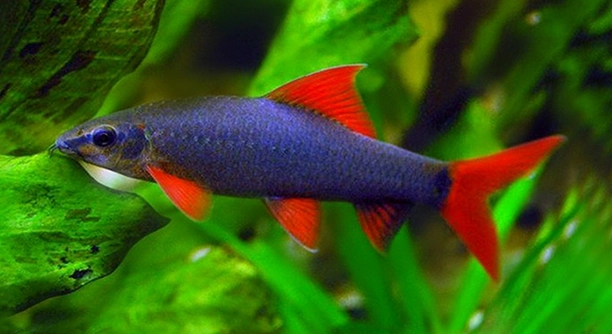
Rainbow sharks are popular aquarium fish known for their bright colors and active behavior. Sometimes, these fish show signs of aggression that can worry their owners. Understanding what causes this aggression helps keep them peaceful and healthy.
Rainbow shark aggression often results from factors such as territorial disputes, overcrowding, inadequate tank size, poor water quality, lack of hiding spaces, improper diet, and stress from sudden changes. Addressing these causes can reduce aggressive behavior effectively.
Knowing these common causes will help you manage your rainbow shark’s behavior and create a more harmonious tank environment for all your fish.
Territorial Disputes
Rainbow sharks are naturally territorial fish. In a tank, they often claim specific areas as their own and can become aggressive if another fish enters that space. This behavior is common, especially in smaller tanks where space is limited. The shark may chase or nip at other fish to defend its territory. Understanding this helps prevent unnecessary fights and stress. Providing enough space and visual barriers can reduce tension between tank mates.
Territorial aggression tends to rise when fish feel crowded or threatened. It’s important to recognize signs early to avoid injuries.
Creating distinct zones within the aquarium with plants, rocks, or decorations helps break up the space. This makes it easier for each fish to have its own area. Rotating decorations occasionally can also reduce the shark’s need to defend a fixed spot. Proper tank size and setup play key roles in managing territorial behavior.
Overcrowding
Too many fish in one tank can increase aggression in rainbow sharks. When space is tight, sharks feel stressed and may act out by bullying others. This stress affects their health and the overall harmony of the aquarium. To prevent this, it is best to follow recommended stocking levels and avoid overfilling the tank.
Overcrowding causes stress and limits each fish’s space to swim freely.
A crowded tank limits natural movement and increases competition for food and hiding spots. Rainbow sharks, being territorial, become more aggressive when they cannot escape or find a quiet area. Overcrowding also makes it harder to maintain clean water, adding to the stress. Regularly checking how many fish you keep and ensuring the tank is large enough will help keep aggression in check. Adding plenty of plants and hiding places reduces conflict, giving fish places to retreat. Overall, balancing fish numbers and tank size improves their wellbeing and reduces aggression significantly.
Inadequate Tank Size
A small tank limits a rainbow shark’s swimming space and can increase aggression. They need room to explore and claim territory comfortably.
When the tank is too small, sharks feel confined and stressed. This can lead to constant chasing and biting of other fish. The stress also weakens their immune system, making them more prone to illness. To avoid this, a minimum tank size of 30 gallons is recommended for a single rainbow shark. Larger tanks allow the fish to spread out and reduce conflict. It also provides space to add decorations and plants that create natural boundaries.
A proper tank size helps maintain stable water conditions, which benefits all tank inhabitants. With enough space, rainbow sharks display calmer behavior and healthier interactions with other fish.
Poor Water Quality
Dirty or unbalanced water causes stress and aggression in rainbow sharks. Keeping water clean is essential for their wellbeing.
Water parameters such as pH, ammonia, nitrite, and nitrate levels must be regularly tested. Poor water quality irritates the fish, making them more aggressive and vulnerable to disease. Regular water changes and a good filtration system keep the environment stable and comfortable. Avoid sudden changes in water temperature or chemistry, which can increase stress. Proper maintenance also includes removing leftover food and debris. Clean water supports the fish’s immune system and reduces aggressive behavior naturally. Consistent care in water quality prevents many common health and behavior problems in rainbow sharks.
Lack of Hiding Spaces
Rainbow sharks need places to hide to feel safe. Without hiding spots, they become stressed and more aggressive.
Providing caves, plants, or decorations creates refuge areas. These help reduce tension and prevent constant chasing among tank mates.
Improper Diet
A poor diet can lead to irritability and aggression in rainbow sharks. Feeding a balanced, varied diet supports their health and calm behavior.
Regularly offer high-quality pellets, frozen or live foods like bloodworms or brine shrimp. Avoid overfeeding, which can cause water pollution and stress.
Stress from Sudden Changes
Sudden changes in the tank environment, such as moving decorations or water conditions, upset rainbow sharks. These changes can trigger aggressive behavior.
Keeping the tank stable and making changes slowly helps maintain calm fish and a peaceful tank environment.
FAQ
Why is my rainbow shark attacking other fish?
Rainbow sharks are territorial by nature. When they feel their space is threatened, they may chase or nip at other fish. This behavior is common if the tank is too small or overcrowded. Providing enough room and hiding places can help reduce attacks. Also, ensure the water quality is good and their diet is balanced, as stress and poor health can increase aggression.
How can I tell if my rainbow shark is stressed?
Signs of stress include hiding constantly, losing color, rapid breathing, and increased aggression. A stressed rainbow shark may also refuse to eat or swim erratically. Keeping the tank clean, stable, and providing a peaceful environment helps reduce stress levels.
What is the ideal tank size for a rainbow shark?
A minimum of 30 gallons is recommended for a single rainbow shark. Larger tanks are better if you plan to keep multiple fish. More space allows each fish to establish its own territory, reducing aggression and improving their overall wellbeing.
Can rainbow sharks live with other fish?
Yes, but tank mates should be chosen carefully. Avoid other bottom dwellers or aggressive fish. Peaceful, mid-to-top dwelling fish usually do well with rainbow sharks. Make sure the tank is large enough and has plenty of hiding spots for everyone.
How often should I clean the tank to prevent aggression?
Regular maintenance is key. Partial water changes of 20-30% every week help maintain water quality. Clean filters as needed and remove leftover food or debris. Stable water conditions keep your rainbow shark healthy and less prone to aggressive behavior.
What do rainbow sharks eat?
They are omnivores and need a varied diet. High-quality sinking pellets, frozen or live foods like bloodworms, brine shrimp, and occasional vegetable matter are ideal. Avoid overfeeding, as it can pollute the water and cause health issues.
How can I reduce territorial aggression in my rainbow shark?
Increase tank size if possible, and add decorations or plants to create separate zones. Introducing more hiding places reduces conflict. Avoid sudden changes in the tank and maintain good water quality to keep your fish calm.
What should I do if aggression continues despite these efforts?
If aggression persists, consider rehoming the most aggressive fish or separating them temporarily. Sometimes, adding more fish to spread out aggression helps, but only in a sufficiently large tank. Monitor behavior closely and adjust tank conditions as needed.
Are there signs that a rainbow shark is sick rather than just aggressive?
Yes, illness can cause unusual behavior. Look for clamped fins, white spots, lethargy, or loss of appetite. Aggression caused by sickness is often accompanied by physical symptoms. Treat illnesses promptly and improve water quality to support recovery.
Can changing the tank layout help with aggression?
Yes, rearranging decorations or adding new hiding spots can disrupt established territories and reduce aggression. Make changes gradually to avoid stressing your fish. This helps reset social boundaries and promotes a more peaceful environment.
Final Thoughts
Rainbow shark aggression can be frustrating to deal with, but understanding its causes helps manage the problem effectively. Many factors influence their behavior, such as tank size, water quality, and the environment inside the aquarium. When these needs are met, rainbow sharks are more likely to live calmly alongside other fish. It is important to remember that aggression is often a sign of stress or discomfort. By paying attention to their surroundings and health, you can create a peaceful space where your fish thrive.
Maintaining a clean, spacious tank with plenty of hiding spots goes a long way in reducing aggressive behavior. A well-balanced diet and stable water conditions also support their wellbeing. Rainbow sharks are active fish that need room to swim and places to feel safe. Avoiding overcrowding and providing natural barriers can prevent fights over territory. Sometimes, simply rearranging decorations can ease tension and give the fish a fresh start. Small changes in care and environment can make a big difference in how your rainbow shark acts.
Finally, patience is key when dealing with rainbow shark aggression. Behavior may not change overnight, but consistent care and observation will help improve the situation. Watching your fish closely will also help you spot early signs of stress or illness. If aggression remains a problem despite your efforts, seeking advice from experienced hobbyists or professionals can offer new solutions. Taking these steps ensures your aquarium stays a healthy and balanced place for all its inhabitants.

Hello,
If you enjoy the content that we create, please consider saying a "Thank You!" by leaving a tip.
Every little bit helps us continue crafting quality advice that supports the health, happiness, and well-being of pets around the world, for pets of all shapes, sizes, and species.
We really appreciate the kindness and support that you show us!