
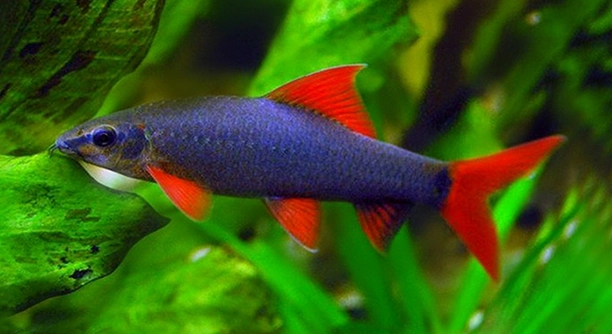
Is your rainbow shark spending more time resting or moving sluggishly instead of swimming actively like it used to? This change in behavior can be worrying and might signal that something is wrong in its environment.
The most common reason a rainbow shark is not swimming normally is due to stress or illness. Poor water quality, bullying from tankmates, or internal health issues are typical causes and should be addressed quickly.
Understanding why your rainbow shark is behaving this way can help you take the right steps to improve its health and comfort.
Check the Water Parameters
Poor water conditions are one of the most common reasons your rainbow shark may stop swimming normally. These fish are sensitive to ammonia spikes, nitrite levels, and sudden pH changes. Regular testing helps prevent issues before they affect your shark’s behavior. Start by checking the temperature—rainbow sharks thrive best between 75°F and 81°F. Use a liquid test kit to check for ammonia, nitrite, nitrate, and pH. High ammonia or nitrite can cause stress and damage their gills, making it hard for them to move. Sudden pH drops can also affect their comfort. Clean the tank, do partial water changes, and ensure your filter is working well. Avoid overfeeding, as leftover food increases waste and impacts water quality. Keeping things stable helps your shark stay active and healthy, so it’s important to monitor the water weekly and respond quickly to any changes.
A small rise in ammonia can be enough to make your rainbow shark act strangely or hide.
If the water parameters are off, take action right away. Replace 25–50% of the water using a dechlorinator, and clean the substrate. Make sure the filter is not clogged and has enough flow. Add live plants if possible, as they help absorb excess nutrients. Remove uneaten food quickly after feeding. Avoid overstocking the tank, since too many fish can throw off the balance. If your shark shows signs of stress, such as erratic swimming or rapid breathing, it may be a sign that the water needs attention. Once the tank is clean and stable again, you might see your rainbow shark returning to its usual behavior. Clean water is essential for any fish, but rainbow sharks especially need consistency to stay healthy and active. Keeping a log of your test results and maintenance schedule can help you stay ahead of problems.
Watch for Aggression from Tankmates
Rainbow sharks can be territorial, but they also get stressed if they’re being chased or harassed by others in the tank.
Make sure the tankmates aren’t bothering your rainbow shark. Aggressive species or even curious ones can stress it out. Look for torn fins or frequent hiding. If this happens, consider moving the shark to a separate tank or adding more hiding spots. Rainbow sharks need personal space, especially if the tank is under 55 gallons. Their stress may show up as reduced swimming, a pale body, or fast breathing. Sometimes, even other bottom-dwellers like loaches or catfish can cause stress by crowding. To reduce this, rearrange the tank decorations to break up territories and create visual barriers. This helps everyone feel like they have their own space. Adding caves or driftwood also gives your shark a safe place to retreat. If none of this helps, it may be better to house the rainbow shark alone or only with compatible tankmates that won’t compete for space.
Look for Signs of Illness
Sluggish movement, fading color, and clamped fins can point to illness. Sometimes, your shark may rest more or avoid food. Keep an eye on anything unusual and act fast before the condition gets worse. Quick action can make a big difference.
If you notice white spots, bloating, or strange swimming patterns, your shark might be sick. Common illnesses include ich, bacterial infections, and internal parasites. A quarantine tank is helpful for treating sick fish without affecting the rest of the tank. Use the right medication based on symptoms—ich treatments differ from internal parasite meds. Follow the instructions carefully, and don’t skip doses. Also, remove carbon from your filter during treatment, since it can absorb the medicine. Keep the water clean, and reduce stress by keeping lighting soft and avoiding tank disruptions. Once your shark improves, slowly reintroduce it to the main tank.
Sometimes, sickness isn’t obvious right away. If your rainbow shark is eating less, hiding more, or breathing quickly at the surface, these could be early signs of a problem. Don’t assume it’s just stress or mood. Watch how it swims—tilting, floating oddly, or sinking may point to swim bladder issues. Check if it’s scratching against surfaces; that could mean parasites. Avoid using broad treatments without knowing what you’re dealing with, as it can make things worse. Try to observe consistently, even when the shark looks fine. Early detection often makes treatment easier and helps your fish bounce back faster. Keep a basic first-aid kit of aquarium medications on hand just in case.
Check the Tank Size and Setup
A tank that’s too small can cause stress and lead to unusual swimming behavior. Rainbow sharks need plenty of room to feel secure. A 55-gallon tank or larger gives them enough space to establish a territory and move freely.
Rainbow sharks are active fish, and tight spaces can make them aggressive or withdrawn. If your tank is too small, they may become territorial or anxious, especially if forced to share limited space. Inadequate room can lead to hiding, pacing, or staying still at the bottom. Upgrade if your tank is under 55 gallons, especially if you have other fish. Use a long, wide tank instead of a tall one, since rainbow sharks prefer horizontal swimming space. Add hiding spots like caves and driftwood to make them feel secure without being cornered. Avoid sharp decor that could harm them. A well-planned layout can reduce stress, improve movement, and prevent health issues over time.
Observe Feeding Behavior
If your rainbow shark stops eating or shows less interest in food, that’s a sign something’s wrong. Loss of appetite can come from stress, poor water conditions, or illness. Monitor feeding times closely and remove uneaten food right away.
Try offering a variety of foods like sinking pellets, frozen bloodworms, or blanched vegetables. If the shark ignores all options, it could be a sign of internal parasites or another health issue. A healthy rainbow shark should eat consistently and with interest.
Limit Sudden Changes in the Tank
Rainbow sharks react poorly to sudden changes. Avoid shifting decor, changing tankmates, or adjusting lighting too often. These changes can increase stress and lead to strange swimming or hiding. Try to keep everything consistent. If changes are needed, do them gradually over time.
Monitor for Injury
Look for signs of injury like torn fins, scrapes, or redness. These can affect how your rainbow shark swims. Injuries may come from rough decor, fights, or filter intakes. Address any sharp objects or aggressive tankmates quickly.
FAQ
Why is my rainbow shark laying at the bottom of the tank?
Laying at the bottom of the tank can be normal behavior during rest, especially at night. However, if your rainbow shark is doing this during the day and appears sluggish, it could mean stress, poor water quality, or illness. Start by checking your water parameters—ammonia, nitrite, nitrate, and pH levels. Look for other signs like clamped fins, fast breathing, or dull coloration. If the tank is small or overcrowded, it may not feel secure enough to swim freely. Injuries or internal problems can also make resting at the bottom more frequent.
Why is my rainbow shark swimming in circles or acting erratic?
Erratic swimming often points to stress, poor water quality, or neurological issues. Swimming in circles may also happen after a sudden change, like a large water change or new tankmates. Internal parasites or bacterial infections can affect balance and coordination too. Make sure your filter isn’t creating too strong a current. Sudden temperature shifts can also impact how they swim. If the behavior continues for more than a few hours, isolate the shark in a hospital tank and observe more closely. Treatment may be needed depending on symptoms.
Can rainbow sharks get lonely?
Rainbow sharks are not social fish and do not require tankmates for companionship. In fact, they tend to be territorial and may become aggressive if housed with other bottom-dwellers or similar-looking fish. If your shark seems inactive or is hiding often, it’s more likely due to stress or discomfort in its environment, not loneliness. Focus on providing enough space, stable water conditions, and proper tank decor to help them feel secure. Avoid adding another rainbow shark unless you have a very large tank with enough space for separate territories.
What does it mean if my rainbow shark has faded color?
Faded color is often a stress response. This can happen due to poor water quality, aggression from other fish, or sudden changes in the tank setup. In some cases, it may also indicate illness. Look for signs like reduced appetite, clamped fins, or hiding. Faded color can also occur after transport or moving the shark to a new tank. If conditions are corrected and the fish feels safe again, its color usually returns over time. Provide hiding spaces and monitor other fish to reduce stress.
How can I help my rainbow shark recover from stress?
First, test and stabilize the water. Make sure temperature, pH, ammonia, and other levels are within the ideal range. Avoid making big changes all at once. Reduce noise, dim the lights, and limit activity around the tank. Add hiding places so the shark feels more secure. If there are aggressive tankmates, consider removing them or separating the shark. Feed small, varied meals and avoid overfeeding. Don’t handle or chase the shark. Keep conditions stable for at least a week to help it recover fully.
Is it okay to keep more than one rainbow shark in the same tank?
It’s usually not recommended to keep more than one rainbow shark in the same tank unless it’s extremely large—at least 125 gallons. They’re highly territorial and will often fight with one another, especially if there isn’t enough space to establish their own areas. If you try to keep more than one, make sure to provide many hiding spots, separate territories, and monitor closely for signs of aggression. For most home tanks, one rainbow shark is best to keep the peace and avoid stress or injuries.
Should I be worried if my rainbow shark is hiding all the time?
Some hiding is normal, especially during the day or when the lights are on. But constant hiding may mean your shark feels threatened or stressed. Causes can include aggressive tankmates, bright lighting, too much activity around the tank, or sudden changes. If hiding is paired with loss of appetite, pale color, or odd swimming, take a closer look at the tank’s conditions. Adding more hiding spots, adjusting lighting, and making the environment feel safer can help bring them out of hiding gradually.
Final Thoughts
Rainbow sharks are beautiful and active fish, but when they stop swimming normally, it’s often a sign that something is wrong. These fish are sensitive to stress, water conditions, and changes in their environment. Even small problems like poor water quality or aggressive tankmates can affect their behavior. It’s important to act quickly when you notice changes. Watching your shark closely, keeping the tank clean, and making sure it has enough space all play a big role in keeping it healthy. When you provide the right conditions, your rainbow shark will be more likely to stay active and behave normally.
If your rainbow shark is hiding more, swimming strangely, or lying still at the bottom, don’t ignore these signs. Always check the water first. Use a reliable test kit and look at the temperature, ammonia, nitrite, and pH levels. If the numbers are off, take steps to fix them right away. Also, look for signs of illness or injury. Torn fins, pale color, or lack of appetite are small signs that can point to a larger issue. Changing too much at once can also stress the fish, so keep things consistent. When needed, isolate the fish in a hospital tank to treat it safely.
Keeping your rainbow shark healthy isn’t always hard—it just takes routine care, patience, and observation. Avoid adding tankmates that may bother your shark. Make sure your tank is large enough, and give it places to hide. Feed a variety of foods and avoid overfeeding. Remember that these fish are unique in behavior, and some may be more active or shy than others. Learning what’s normal for your shark helps you spot when something is off. Stay calm when problems come up, and take it step by step. With regular attention and care, your rainbow shark can stay happy, active, and healthy for years.

Hello,
If you enjoy the content that we create, please consider saying a "Thank You!" by leaving a tip.
Every little bit helps us continue crafting quality advice that supports the health, happiness, and well-being of pets around the world, for pets of all shapes, sizes, and species.
We really appreciate the kindness and support that you show us!