
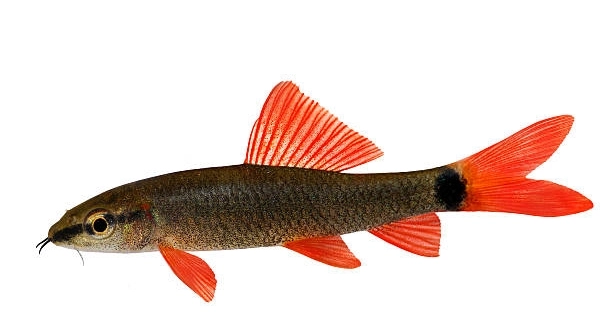
Rainbow sharks are popular aquarium fish known for their vibrant colors and active behavior. Many fish owners want to ensure their rainbow sharks are thriving in their tanks. Observing their behavior and environment can reveal clues about their well-being.
A happy rainbow shark exhibits smooth swimming, vibrant coloration, and active foraging behavior. It shows minimal stress signs such as hiding or erratic movements, and interacts well with its environment, indicating a balanced and healthy aquatic habitat.
Recognizing these signs helps maintain your fish’s health and creates a more enjoyable aquarium experience for both you and your rainbow shark.
Smooth and Confident Swimming
Rainbow sharks that swim smoothly and confidently are usually happy and healthy. When your fish glides around the tank without sudden stops or frantic movements, it shows comfort in its environment. Healthy rainbow sharks explore different areas of the tank and are curious about what’s happening around them. This calm, steady swimming pattern indicates they feel safe and relaxed. If your rainbow shark is darting nervously or hiding for long periods, it may be stressed or unwell. Watch for changes in how it moves from day to day to catch any early signs of trouble.
Swimming behavior is a strong indicator of your fish’s mood and health. Regular observation helps ensure your rainbow shark stays active and happy in its home.
A well-maintained tank with proper water conditions supports smooth swimming. Avoid overcrowding, as it can limit your fish’s space to move freely and cause stress.
Bright and Vibrant Colors
Healthy rainbow sharks display bright, vibrant colors that make them stand out in the aquarium. Dull or faded colors can be a sign of stress, poor nutrition, or illness. These fish get their striking red and black hues from good diet and clean water. When your rainbow shark’s colors are rich and deep, it usually means it’s thriving. Changes in lighting or water quality can affect color intensity, so keeping these stable is important.
Watching the color patterns helps track your fish’s health status.
Consistent color brightness reflects a balanced diet and stable environment. Avoid sudden changes in water temperature or pH, which can dull your fish’s colors. Feeding high-quality foods rich in nutrients supports their natural pigmentation. If you notice fading or patchy colors, it might be time to check water parameters or adjust the feeding routine. Keeping your tank clean and providing hiding spots reduces stress and helps maintain those beautiful colors. This attention to detail ensures your rainbow shark remains visually healthy and happy in its aquatic setting.
Healthy Appetite and Eating Habits
Rainbow sharks that eat regularly and with interest are generally happy. They will eagerly come out to feed and show no signs of hesitation or loss of appetite. Monitoring their eating habits helps identify early health issues.
A healthy rainbow shark eats a varied diet including flakes, pellets, and occasional live or frozen foods. They should actively search for food rather than ignore it. If your fish stops eating or becomes picky, it might be stressed or sick. Keep feeding times consistent to build a routine that helps your rainbow shark feel secure. Overfeeding can cause water quality problems, so offer only what they can consume within a few minutes.
Good nutrition supports energy and coloration, making your fish more vibrant and active. If your rainbow shark maintains a steady appetite, it reflects well on tank conditions and overall care. Observing feeding behavior is key to ensuring ongoing health and happiness.
Interaction with Tank Mates
Rainbow sharks that interact calmly with other fish show they are comfortable and not overly stressed. Aggressive or overly shy behavior may signal problems in the tank’s balance.
A balanced community tank allows rainbow sharks to share space without constant fighting or hiding. They can hold their own without bullying others but also avoid becoming targets. Watching how your fish behaves around others helps you adjust the environment, whether by adding plants, rearranging decorations, or selecting compatible species. Sometimes, stress comes from overcrowding or incompatible tank mates, which can harm your fish’s well-being. Ensuring enough hiding places helps reduce tension.
Calm interactions indicate a well-maintained tank where your rainbow shark feels safe. Supporting a peaceful social environment keeps your fish healthy and happy over time.
Clean and Clear Tank Environment
A clean tank with clear water is essential for a happy rainbow shark. Dirty water can cause stress and health issues. Regular maintenance keeps the environment safe and comfortable.
Filtration and regular water changes help maintain good water quality. Avoid letting waste build up, which can harm your fish. A well-kept tank encourages natural behavior and supports overall health.
Resting Behavior
Rainbow sharks need resting spots to feel secure. They often rest near rocks or plants during quieter times. Providing these spaces helps them relax and reduces stress.
Observing where and how your fish rests can give clues about its comfort level. Consistent resting habits usually mean a happy fish.
Active Exploration
Rainbow sharks that actively explore their tank show signs of good health. They swim around, inspecting hiding spots and searching for food.
Encouraging exploration by adding decorations and plants keeps your fish mentally and physically stimulated, promoting long-term happiness.
FAQ
How often should I feed my rainbow shark?
Feeding your rainbow shark once or twice a day is usually enough. Provide only as much food as they can eat in about 2-3 minutes to avoid overfeeding. Overfeeding can lead to poor water quality, which stresses the fish and affects their health.
What is the best diet for a rainbow shark?
Rainbow sharks do well on a varied diet that includes high-quality flakes or pellets made for omnivores. Adding frozen or live foods like bloodworms, brine shrimp, or daphnia helps provide essential nutrients and keeps their colors vibrant. Vegetables like blanched zucchini or spinach can also be offered occasionally.
Can rainbow sharks live with other fish?
Yes, but tank mates should be chosen carefully. Rainbow sharks can be territorial, especially in smaller tanks. Good companions are peaceful fish that occupy different levels of the aquarium, such as tetras or danios. Avoid other aggressive or similarly sized bottom dwellers to reduce conflicts.
How big do rainbow sharks get?
Rainbow sharks typically grow to about 6 inches in length when fully mature. Because they need plenty of swimming space, a tank of at least 30 gallons is recommended to give them room to move freely and avoid stress.
Why is my rainbow shark hiding all the time?
Hiding can be normal behavior if your fish is resting or avoiding bright lights. However, constant hiding might indicate stress, illness, or poor water conditions. Check water parameters like ammonia, nitrites, and nitrates, and make sure the tank is not overcrowded or too noisy.
What water conditions are best for rainbow sharks?
Rainbow sharks prefer slightly acidic to neutral pH levels, ideally between 6.5 and 7.5. Temperature should be maintained between 72 and 79°F (22-26°C). Regular water testing and changes help keep these parameters stable and ensure a healthy environment.
How can I tell if my rainbow shark is stressed?
Signs of stress include erratic swimming, loss of appetite, faded colors, or frequent hiding. Stress can be caused by poor water quality, aggressive tank mates, or sudden changes in the environment. Maintaining consistent care helps reduce these issues.
Do rainbow sharks need hiding places?
Yes, they appreciate hiding spots like caves, plants, or decorations. These areas help them feel secure and reduce stress. A well-decorated tank mimics their natural habitat and encourages natural behavior.
How often should I clean the tank?
A partial water change of about 20-25% once a week is ideal. Regular cleaning helps keep nitrate levels low and removes uneaten food or waste. Overcleaning can disrupt beneficial bacteria, so balance is important.
Can rainbow sharks live alone?
Rainbow sharks can live alone but may become more active and less stressed in a community tank with suitable companions. However, ensure the tank is large enough and provides hiding spots to avoid loneliness or aggression.
What should I do if my rainbow shark looks sick?
If you notice unusual behavior, discoloration, or physical signs like spots or frayed fins, test the water quality immediately. Quarantine the fish if possible and consult a fish health guide or specialist for treatment options.
Are rainbow sharks aggressive?
They can be territorial, especially toward other bottom dwellers or similar-looking fish. Providing enough space and hiding places reduces aggressive behavior. Careful selection of tank mates is important to keep the peace.
How long do rainbow sharks live?
With proper care, rainbow sharks can live up to 5-8 years in captivity. Good water quality, a healthy diet, and a stress-free environment contribute to their lifespan.
Do rainbow sharks need special lighting?
Standard aquarium lighting is sufficient. Avoid overly bright lights, which can stress them. Providing shaded areas with plants or decorations helps them feel more comfortable.
What size tank do rainbow sharks require?
A minimum of 30 gallons is recommended for a single rainbow shark to allow plenty of swimming space. Larger tanks help reduce territorial behavior and improve overall well-being.
Final Thoughts
Taking care of a rainbow shark involves paying close attention to its behavior and environment. These fish show their happiness through simple signs like smooth swimming, bright colors, and healthy eating habits. By watching these clues regularly, you can make sure your fish is comfortable and healthy. Small changes in how your rainbow shark acts or looks can be early signs of stress or illness. Catching these signs early allows you to take steps to improve their tank conditions or care routine. Consistency in feeding, cleaning, and tank maintenance creates a stable environment where your fish can thrive.
A clean and balanced tank plays a huge role in your rainbow shark’s well-being. Good water quality helps reduce stress and supports their natural behaviors. It is important to keep up with regular water changes and avoid overcrowding the tank. Providing hiding spots and plants creates a more natural setting that helps your fish feel safe. The right companions in the tank can also make a difference, as peaceful fish encourage calm interactions. When your rainbow shark feels secure, it will explore, eat well, and display its vibrant colors, making the aquarium more enjoyable for everyone.
Remember that rainbow sharks are active and curious creatures. They need room to swim and explore to stay happy. Offering a varied diet supports their health and coloration. Paying attention to how they interact with the tank environment and other fish helps you understand their needs better. Being patient and observant is key to providing good care. Your efforts will show in your rainbow shark’s appearance and behavior. With steady care and a well-kept tank, your rainbow shark can live a long and happy life, adding beauty and life to your aquarium.

Hello,
If you enjoy the content that we create, please consider saying a "Thank You!" by leaving a tip.
Every little bit helps us continue crafting quality advice that supports the health, happiness, and well-being of pets around the world, for pets of all shapes, sizes, and species.
We really appreciate the kindness and support that you show us!