
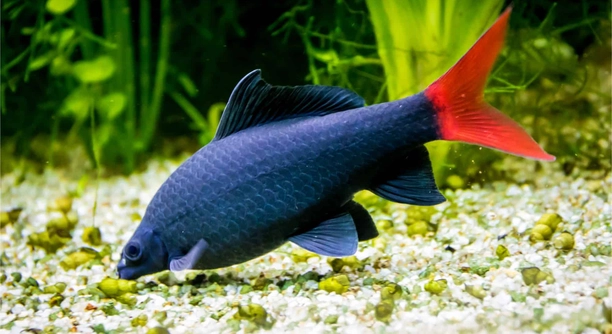
Keeping a Rainbow Shark active and healthy takes attention and care. These fish need a good environment and proper feeding to thrive. Many owners want to know how to keep their Rainbow Sharks lively and in great shape.
Providing a clean tank with ample swimming space, maintaining proper water conditions, offering a balanced diet, and ensuring social compatibility are key to keeping Rainbow Sharks active and healthy. Regular monitoring and care prevent stress and illness in these fish.
Understanding these basics will help you create the best environment for your Rainbow Shark. The following tips cover essential steps to support its well-being and energy.
Provide a Spacious Tank
Rainbow Sharks need plenty of room to swim freely. A small or crowded tank can make them stressed and less active. Ideally, a tank should be at least 30 gallons, but bigger is better if you want your fish to thrive. They are active swimmers who enjoy exploring their space, so avoid overcrowding the tank with too many fish or decorations that block their movement. Keeping the tank clean and well-maintained is also important to ensure your Rainbow Shark stays healthy. Regular water changes and good filtration help create a comfortable environment. Proper space and care reduce the chances of illness and aggressive behavior.
Having enough room allows your Rainbow Shark to move naturally and reduces stress-related problems.
A spacious tank is the foundation for an active and healthy Rainbow Shark. It encourages natural swimming behavior, which keeps the fish fit and less prone to disease. When setting up the tank, think about where your Rainbow Shark will swim and explore. Leave open areas free of obstacles, and avoid overcrowding. Decorations should add interest but not limit movement. Remember, a happy Rainbow Shark is an active one, and space plays a big role in that.
Maintain Proper Water Quality
Water quality is critical for keeping your Rainbow Shark healthy and active.
Regular testing and changes keep water conditions stable. Poor water quality can cause stress and illness, making your fish lethargic or aggressive. Monitor pH, ammonia, nitrite, and nitrate levels regularly. Aim for a pH around 6.5 to 7.5, and keep ammonia and nitrites at zero. Nitrate levels should be below 20 ppm. Use a reliable filtration system and perform partial water changes weekly, usually 20-30% of the water. Avoid sudden temperature changes; Rainbow Sharks prefer 72-79°F (22-26°C). Stable, clean water supports their immune system and natural activity. Neglecting water quality can quickly lead to health issues, so staying on top of it is essential for a lively, thriving fish.
Feed a Balanced Diet
Rainbow Sharks need varied food to stay healthy. A mix of flakes, pellets, and fresh veggies works well. Avoid overfeeding, as it can harm water quality.
Feeding your Rainbow Shark a balanced diet helps support its energy and color. Include high-quality sinking pellets or wafers designed for bottom feeders. Supplement this with occasional live or frozen foods like bloodworms or brine shrimp for protein. Adding vegetables such as blanched zucchini or cucumber provides essential fiber. Feeding small amounts two to three times daily prevents overfeeding and keeps the water clean. Be consistent with feeding times to help your fish develop a routine.
Proper nutrition strengthens the immune system and keeps your Rainbow Shark active. A varied diet mimics their natural feeding habits, which helps reduce boredom and stress. When feeding vegetables, remove any uneaten pieces to avoid water contamination. Balanced feeding ensures your fish receives vitamins and minerals necessary for growth and vibrant coloration, making it a key part of maintaining overall health.
Encourage Social Interaction
Rainbow Sharks can be territorial but often benefit from social interaction.
Introducing compatible tank mates helps prevent loneliness and keeps your Rainbow Shark stimulated. Choose peaceful, similarly sized fish that won’t compete aggressively for food or space. Avoid other bottom dwellers that might provoke conflicts. Adding hiding spots with plants or decorations allows fish to retreat and feel secure. Observe their behavior carefully to avoid bullying. Proper social interaction reduces stress and promotes natural activity, leading to a healthier and more vibrant fish.
Keep the Tank Clean
Regular cleaning prevents harmful buildup. Remove uneaten food and debris daily to keep water healthy.
Cleaning your tank regularly reduces stress for your Rainbow Shark. Perform partial water changes weekly and clean the filter as needed. A clean tank supports good water quality and overall fish health.
Provide Hiding Spots
Hiding spots reduce stress and provide comfort. Use plants, rocks, or decorations to create safe areas in the tank.
Monitor Behavior
Watch your Rainbow Shark for changes in activity or appearance. Early signs of illness or stress can help prevent bigger problems.
FAQ
How often should I feed my Rainbow Shark?
Feeding your Rainbow Shark two to three times a day in small amounts is best. Overfeeding can cause poor water quality and health problems. Give only what they can eat within a few minutes. This helps keep the tank clean and your fish healthy.
What tank size is ideal for a Rainbow Shark?
A minimum of 30 gallons is recommended for one Rainbow Shark. They need space to swim actively. Larger tanks allow for better water quality and less aggression if you keep tank mates.
Can Rainbow Sharks live with other fish?
Yes, but choose peaceful species that won’t compete for space or food. Avoid other bottom dwellers that may cause fights. Adding hiding spots reduces stress and helps keep peace.
What temperature do Rainbow Sharks need?
Rainbow Sharks thrive in water between 72°F and 79°F (22°C to 26°C). Avoid sudden temperature changes, as this can stress them and cause illness.
How often should I change the water?
Partial water changes of 20-30% weekly help maintain good water quality. This keeps ammonia and nitrite levels low and nitrate under control, supporting your fish’s health.
What signs show my Rainbow Shark is stressed or sick?
Look for changes in swimming behavior, loss of color, or hiding too much. Other signs include clamped fins, rapid breathing, or spots on the body. Early detection lets you act fast.
What should I do if my Rainbow Shark becomes aggressive?
Aggression can be caused by overcrowding or lack of space. Make sure the tank is big enough and provide hiding spots. Separating aggressive fish may be necessary in some cases.
Can I feed my Rainbow Shark vegetables?
Yes, vegetables like zucchini, cucumber, and peas are good for them. Blanch the veggies to soften them and remove uneaten pieces quickly to avoid water issues.
How important is tank filtration?
Good filtration is crucial to keep the water clean and free of toxins. Use a filter rated for your tank size and clean it regularly to maintain effectiveness.
Do Rainbow Sharks need light in their tank?
Yes, moderate lighting helps maintain a natural day-night cycle. Too much light can cause stress, while too little may affect their behavior and feeding.
How can I encourage my Rainbow Shark to be more active?
Keep the tank clean, provide enough space, and feed a balanced diet. Social interaction with compatible tank mates and hiding spots also stimulate activity.
Is it normal for Rainbow Sharks to hide a lot?
Some hiding is normal, especially during rest or after changes in the tank. Excessive hiding may indicate stress, illness, or poor tank conditions that need attention.
What is the best way to introduce new fish to the tank?
Quarantine new fish before adding them to avoid disease spread. Introduce them slowly and watch for signs of aggression or stress in existing fish.
How do I prevent diseases in my Rainbow Shark?
Maintain good water quality, feed a balanced diet, avoid overcrowding, and quarantine new fish. Regular observation helps catch problems early for quick treatment.
Can Rainbow Sharks live alone?
Yes, they can live alone but may become bored or stressed without any tank mates or stimulation. Proper tank setup and interaction help keep them active.
Taking care of a Rainbow Shark requires attention to several important factors. These fish need a spacious tank to swim freely and enough hiding spots to feel safe. Keeping the water clean and maintaining stable temperature and water quality are essential for their health. Feeding them a balanced diet with a mix of pellets, flakes, vegetables, and occasional protein helps them stay strong and active. A well-maintained environment encourages natural behavior and reduces stress, which is important for any fish’s well-being.
Rainbow Sharks can be territorial, so choosing the right tank mates and giving each fish enough space is important. Adding decorations and plants helps create areas where your fish can hide and feel secure. Watching their behavior closely can help you notice any early signs of illness or stress. If your Rainbow Shark seems less active or changes color, it may be time to check water conditions or diet. Regular care and observation are key to preventing problems before they become serious.
By following simple but consistent care steps, you can keep your Rainbow Shark healthy and lively for years. Creating a clean and spacious home, feeding the right foods, and monitoring water quality are the foundation of good care. Remember, each fish is different and may need small adjustments based on its behavior and environment. With patience and attention, your Rainbow Shark will thrive and add beauty and activity to your aquarium. Taking time to understand their needs will help you enjoy a happy and healthy fish.

Hello,
If you enjoy the content that we create, please consider saying a "Thank You!" by leaving a tip.
Every little bit helps us continue crafting quality advice that supports the health, happiness, and well-being of pets around the world, for pets of all shapes, sizes, and species.
We really appreciate the kindness and support that you show us!