
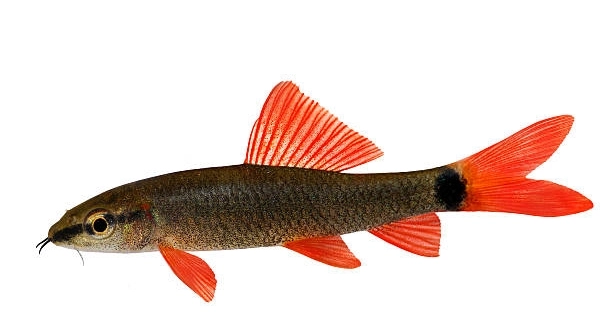
Are your rainbow shark fry swimming in circles or hiding more than usual? Caring for these tiny fish can feel overwhelming at first. Understanding their needs early can make the process smoother and less stressful for you.
The best way to care for rainbow shark fry is by maintaining clean water, feeding them appropriate food, and keeping them separated from aggressive tank mates. Stable water conditions and proper nutrition are key to their healthy growth.
With a few small changes, your fry can thrive in their environment. These simple steps will help you provide the care they need as they grow.
Keep Their Water Clean and Stable
Clean water is one of the most important things your rainbow shark fry need. Because they are small and delicate, poor water quality can harm their development quickly. Use a sponge filter to avoid strong currents and maintain oxygen levels. Test your water daily for ammonia, nitrites, and pH levels. Do partial water changes every other day, around 25%, to keep the tank stable without stressing them. Avoid using tap water straight from the faucet unless it’s treated properly. The water temperature should stay between 75°F and 80°F. Use a heater if needed, but make sure it doesn’t create sudden temperature changes. Keep the tank out of direct sunlight, and avoid overfeeding, as leftover food can affect the water. Keeping their water clean will help your fry grow steadily without unnecessary risks or illness.
A small, consistent effort in keeping the water stable can have a big effect on their health.
If your fry are hovering near the surface or gasping, it could mean the oxygen level is too low or the water has built-up waste. Regular cleaning and monitoring can prevent this. Remember, the better the water, the stronger and more active your fry will be.
Feed Them the Right Food
Rainbow shark fry need small, frequent meals that are easy to digest.
When they hatch, fry can’t eat large flakes or pellets. Start them on liquid fry food or powdered baby fish food designed for egg-laying fish. You can also use freshly hatched baby brine shrimp, which are full of protein and easy for fry to catch. Feed them 3 to 4 times a day in tiny amounts, just enough for them to eat in a few minutes. Avoid overfeeding, as extra food will rot and affect water quality. After about two weeks, you can slowly introduce crushed flakes or micro pellets. Watch them eat to make sure they’re able to consume it without struggling. Remove any leftover food right after feeding to prevent build-up. It’s helpful to feed at the same times each day, so they learn a routine. Proper feeding habits help them grow stronger, avoid illness, and prepare for life in a community tank later on.
Keep Them in a Separate Tank
Housing fry with adult fish can be risky. Larger fish, even the parents, may see them as food. A separate tank gives fry a better chance to survive and grow without threats or competition for food.
A 10 to 20-gallon tank works well for a small group of rainbow shark fry. Use a sponge filter to avoid strong suction, and keep a lid on the tank since fry can be surprisingly active. Add a few soft decorations or plants so they can hide and feel safe. Make sure the tank is cycled before adding fry, and maintain stable water parameters. Avoid sudden light changes, loud noises, or tapping the glass. These little things can stress them. In this separate space, you’ll be able to monitor their growth and make sure each one is getting the food and care it needs without interference from other fish.
Move the fry back to the main tank only when they are at least two inches long and able to swim confidently without hiding. Introduce them slowly to reduce stress, and monitor how the adult fish react. If you see signs of aggression, remove them immediately. Keeping them separate longer is better than risking their safety too soon.
Monitor Their Growth and Behavior
Pay attention to how your fry look and move each day. A healthy fry should swim easily, show interest in food, and have a growing, filled-out body. Any sudden changes can signal a problem.
Weighing them isn’t needed, but visual checks can help you notice changes. Fry that are not growing may not be getting enough food or could be dealing with stress. If one fry stays hidden or looks much smaller than the others, move it to a smaller space so it can eat without being outcompeted. Keep an eye out for signs of illness, like spots, clamped fins, or unusual swimming. Also, take note of their social behavior. Rainbow shark fry tend to be shy, but they should still explore the tank. If they’re hovering near the top or bottom for long periods, check the water and temperature. Daily observation helps you catch small issues before they turn into bigger problems.
Avoid Strong Currents
Rainbow shark fry are weak swimmers, and strong water flow can tire them out or push them around the tank. Use a sponge filter or adjust your current setup to keep the water movement low and gentle. This helps fry swim comfortably and reach food more easily.
If your filter is too strong, try placing a sponge or mesh over the outlet to soften the flow. You can also add decorations or plants that break up the current. A calm environment helps the fry stay relaxed and avoid unnecessary stress during their early development.
Use Dim Lighting
Fry prefer dim lighting over bright setups. Intense light can make them feel exposed and stressed. Use a low-wattage LED light or adjust your tank’s brightness settings if possible. You can also add floating plants to create shade. Dim lighting helps fry rest better and feel more secure throughout the day.
Handle with Care
Avoid touching or netting your fry unless absolutely necessary. If you need to move them, use a soft cup instead of a net to prevent injury. Their small bodies are fragile, and too much handling can cause stress or damage. Keeping your hands out of the tank also keeps the water cleaner.
FAQ
How often should I feed my rainbow shark fry?
Feed your fry small amounts 3 to 4 times a day. They have tiny stomachs and need frequent meals to grow properly. Make sure the food is suitable for their size, like powdered fry food or baby brine shrimp. Remove any uneaten food to keep the water clean.
What type of food is best for fry?
Start with liquid fry food or finely powdered flakes designed for small fish. Baby brine shrimp are an excellent source of protein and easy for fry to catch. After a couple of weeks, you can introduce crushed flakes or micro pellets slowly.
Can I keep rainbow shark fry with adult fish?
It’s not recommended. Adult fish may eat the fry or bully them, causing stress and injury. A separate tank with gentle water flow and hiding spots is best until the fry grow larger and stronger.
How long does it take for fry to grow into juveniles?
Typically, rainbow shark fry grow into juveniles in about 2 to 3 months, depending on water quality, diet, and care. Proper feeding and stable water conditions speed up their development.
What water conditions do fry need?
Maintain water temperature between 75°F and 80°F. Keep pH around 6.5 to 7.5. Regularly test for ammonia and nitrites, which should always be zero. Partial water changes help maintain stable, clean water.
How can I tell if my fry are sick?
Look for signs like faded color, clamped fins, unusual swimming patterns, or spots on their bodies. Sick fry may also lose appetite and hide more than usual. Immediate water testing and improved tank care can help prevent illness.
Is it necessary to use a heater for the fry tank?
Yes, maintaining a stable temperature is crucial for fry health. Use a reliable heater to keep the water between 75°F and 80°F. Avoid sudden temperature changes, which can stress or harm the fry.
How often should I change the water?
Partial water changes of about 20-25% every other day or every three days help keep the water clean without stressing the fry. Avoid large water changes, as sudden shifts can shock their delicate systems.
When can I move fry back to the main tank?
Move them when they reach at least two inches in length and can swim confidently. Introduce them slowly and watch for any aggression from adult fish. If problems arise, separate them again to avoid harm.
What should I do if fry are not growing well?
Check your feeding routine and water quality first. Make sure they get enough food but avoid overfeeding. Stress from aggressive tank mates or poor water conditions can also slow growth. Adjust these factors to support their development.
Can I use tap water for the fry tank?
Only if it’s treated to remove chlorine and chloramine. Untreated tap water can be toxic. Use water conditioners or let tap water sit for 24 hours before use. Testing your water is important to ensure it’s safe.
How important are hiding spots?
Very important. Hiding spots like plants or soft decorations reduce stress by giving fry places to rest and avoid being exposed. This helps them feel secure and promotes healthy growth.
These common questions cover most of the concerns about caring for rainbow shark fry. Following these basic guidelines will help your fry grow healthy and strong in a safe environment.
Caring for rainbow shark fry takes attention and patience. They are small and delicate, so their needs must be met carefully. Maintaining clean and stable water is the most important part of their care. Regular water testing and partial water changes help keep their environment safe. It’s also important to keep the water temperature steady, ideally between 75°F and 80°F. Avoid sudden changes in temperature or water quality, as these can cause stress or illness. Using a gentle sponge filter instead of a strong filter will protect the fry from being pushed around or hurt. By keeping the water clean and stable, you create the best conditions for the fry to grow.
Feeding the fry properly is another key to their health. They need small, frequent meals with food that is easy to digest. Starting with liquid fry food or baby brine shrimp provides the right nutrition in the early days. As they grow, crushed flakes or micro pellets can be added gradually. Overfeeding can lead to water quality problems, so it is important to feed only what they can eat in a few minutes and remove leftovers. Fry benefit from a quiet, calm environment with dim lighting and places to hide. This helps reduce stress and encourages natural behaviors.
Separating the fry from adult fish gives them a better chance to survive and develop safely. Adult fish may be aggressive or see fry as food, so a separate tank is the safest option. This tank should be set up with gentle water flow, hiding spots, and stable conditions. Watching the fry daily allows you to catch any problems early. Signs of illness or slow growth should be addressed by adjusting care or water quality. Moving the fry back to the main tank should only happen once they are large enough to avoid harm. Taking these simple steps will help your rainbow shark fry thrive and grow into healthy adult fish.

Hello,
If you enjoy the content that we create, please consider saying a "Thank You!" by leaving a tip.
Every little bit helps us continue crafting quality advice that supports the health, happiness, and well-being of pets around the world, for pets of all shapes, sizes, and species.
We really appreciate the kindness and support that you show us!