
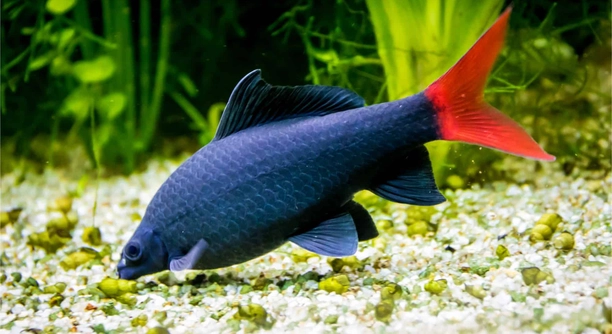
Rainbow sharks are popular freshwater fish known for their vibrant colors and active nature. While generally peaceful, they can sometimes show aggressive behavior that concerns their owners. Recognizing signs of aggression is important for a balanced aquarium environment.
Rainbow sharks exhibit aggression through behaviors such as chasing other fish, fin nipping, hiding frequently, or displaying territorial dominance. These actions can indicate stress or improper tank conditions, which may affect the overall health of your aquatic community.
Understanding these warning signs can help maintain harmony in your tank and promote a healthier space for all your fish to thrive.
Signs of Chasing and Nipping
When your rainbow shark starts chasing other fish aggressively, it is a clear sign of stress or territorial behavior. This constant pursuit can cause harm and anxiety among the tank inhabitants. Nipping at fins is another indication, as it shows the shark is trying to establish dominance. These actions often increase in smaller tanks where space is limited. Ensuring there is enough room for each fish to claim its territory can reduce aggressive incidents. Observing your fish’s interactions daily helps you notice changes early. Sometimes, aggressive behavior results from poor water quality or lack of hiding spots. Adding plants or decorations can provide safe areas for other fish. Adjusting feeding times or amounts might also help reduce competition. Regular tank maintenance and monitoring fish behavior are essential to keep aggression under control and maintain a peaceful environment for all species.
Aggressive chasing can quickly escalate if not addressed promptly, leading to injury or stress-related illnesses.
Recognizing chasing and nipping early lets you make necessary changes, like improving tank conditions or rearranging décor. This can calm your rainbow shark and create a more balanced tank dynamic.
Territorial Behavior and Hiding
Territorial behavior in rainbow sharks often shows as guarding a specific area, especially around decorations or plants. This guarding can cause other fish to avoid certain spots, limiting their space and comfort. Sometimes, the shark will hide more than usual, which may mean it feels threatened or insecure. A hiding rainbow shark might also be stressed by tank mates or environmental factors. Making sure your aquarium has enough space and plenty of hiding places can ease this behavior. It’s also important to consider tank mates that are compatible with rainbow sharks to reduce conflict. Sometimes rearranging the tank setup helps break up established territories and reduce aggression. Monitoring water parameters and keeping them stable supports the fish’s overall wellbeing. Taking these steps encourages your rainbow shark to feel secure without needing to act aggressively or hide excessively.
Excessive Fin Damage
Fin damage is a common sign your rainbow shark is being overly aggressive. Torn or ragged fins often result from constant fin nipping by the shark or fights with other fish in the tank.
When a rainbow shark frequently nips fins, it creates wounds that can easily become infected. This damage not only affects the injured fish’s health but also increases stress levels across the aquarium. Persistent aggression can cause other fish to hide or become lethargic, disturbing the tank’s balance. Observing your fish regularly for any signs of fin damage is essential to catch problems early. Taking steps like separating aggressive fish or improving tank conditions can help reduce fin damage and promote healing.
Fin damage usually signals an imbalance in your aquarium’s social dynamics. It’s important to address the cause quickly to prevent long-term harm and maintain a healthy tank.
Changes in Appetite and Behavior
A sudden loss of appetite or unusual behavior can indicate your rainbow shark is stressed due to aggression. Aggressive interactions often cause anxiety that impacts feeding habits and activity levels.
Stress from aggression can make your rainbow shark less interested in food or cause it to hide more often. This behavior can worsen if the tank environment is overcrowded or lacks sufficient hiding spaces. In some cases, the shark might become hyperactive, constantly chasing other fish. Both extremes are unhealthy and require attention. Improving tank conditions, ensuring compatible tank mates, and providing a calm environment support healthier behavior and appetite. Regular observation helps detect these changes early and prevent further problems. Keeping your rainbow shark comfortable will encourage normal feeding and reduce aggressive tendencies.
Frequent Hiding Spots
When your rainbow shark hides more than usual, it could be a sign of aggression or stress. Hiding often indicates discomfort caused by tank mates or environmental changes.
Excessive hiding limits the shark’s activity and affects its health. Providing more hiding places and adjusting tank conditions can reduce this behavior and improve its wellbeing.
Damage to Other Fish
Aggressive rainbow sharks can cause visible injuries to other fish. Fin tears, missing scales, and stress marks are common signs of attacks.
If left unchecked, these injuries can lead to infections or even death. Monitoring fish health closely is crucial for early intervention and to protect all tank inhabitants.
Rapid Breathing or Gasping
Rapid breathing or gasping can signal stress or poor water quality. Aggression often raises stress levels, impacting the shark’s breathing.
Improving tank conditions and reducing aggressive behavior help stabilize the fish’s health and breathing pattern.
FAQ
How can I reduce aggression in my rainbow shark?
Reducing aggression starts with providing enough space in the tank. Rainbow sharks become territorial in small or crowded tanks. Make sure the aquarium is large enough for each fish to have its own space. Adding plenty of plants, rocks, and hiding spots helps break up territories and gives fish places to retreat. Choosing peaceful tank mates that don’t provoke the shark can also lower aggression. Regular water changes and maintaining good water quality reduce stress, which often triggers aggressive behavior. Feeding your rainbow shark enough food on a consistent schedule can keep it calmer. Avoid overfeeding, but ensure the shark is not hungry or competing excessively for food.
Is it normal for rainbow sharks to be aggressive sometimes?
Some level of territorial behavior is normal for rainbow sharks, especially as they mature. They naturally establish dominance over parts of the tank. However, aggression should not be constant or cause injury to other fish. If your shark is frequently chasing, fin nipping, or causing damage, it’s a sign of excessive aggression that needs addressing. Providing enough space and environmental enrichment reduces this behavior. Monitoring interactions can help you spot when aggression becomes a problem and take timely action.
Can aggressive rainbow sharks live with other fish?
Yes, but tank mate selection is important. Choose fish that are fast swimmers and not easily stressed by chasing. Avoid slow or long-finned species that can become targets. Good tank mates include danios, barbs, and some species of tetras. Make sure the tank is large enough to accommodate multiple fish comfortably. A crowded or small tank increases aggression. Providing hiding spots and plants also helps reduce conflicts. If aggression persists, you may need to separate the rainbow shark temporarily or permanently to protect other fish.
What causes a rainbow shark to become aggressive suddenly?
Sudden aggression can be caused by changes in the tank environment, such as new tank mates, rearranged decorations, or poor water quality. Stress from illness or injury also increases aggressive behavior. Feeding routines or overcrowding can be triggers as well. Rainbow sharks may also become more territorial during breeding periods or as they mature. Observing your fish carefully when changes happen helps identify the cause. Addressing water quality issues, restoring stable conditions, and reducing stressors can calm aggressive behavior.
How do I tell if my rainbow shark is stressed?
Signs of stress include hiding more often, loss of appetite, rapid breathing, and aggressive chasing. Physical signs like torn fins or dull coloration can also indicate stress. Stressed fish often behave differently than usual, becoming either overly aggressive or withdrawn. Maintaining clean water, stable temperatures, and a proper diet helps reduce stress. Minimizing sudden changes and providing enough space and hiding spots also support a healthy, calm fish.
Should I separate an aggressive rainbow shark?
If aggression is causing injury or severe stress to other fish, separating the rainbow shark is advisable. Use a separate tank or a divider within the main tank to prevent harm. This gives other fish a chance to recover and reduces overall tank tension. Separation is usually a temporary solution while you adjust the environment or select more compatible tank mates. Long-term separation may be necessary if the aggression continues despite changes.
What tank size is best for rainbow sharks to minimize aggression?
A minimum tank size of 55 gallons is recommended for a single rainbow shark. Larger tanks provide more territory and reduce the chance of conflict. If you keep multiple rainbow sharks, an even larger tank is necessary. Overcrowding or small tanks often lead to increased aggression as fish compete for space. Providing a well-decorated tank with plants, caves, and rocks creates separate zones, helping to limit territorial disputes.
Can diet affect aggression in rainbow sharks?
Yes, diet can influence behavior. Hunger or nutritional deficiencies may increase aggression as the fish compete for food. Feeding a balanced diet with high-quality pellets, supplemented with occasional live or frozen foods, keeps your rainbow shark healthy and less prone to stress. Feed smaller amounts several times a day rather than one large meal to reduce competition and aggressive feeding behavior. Avoid overfeeding, which can cause water quality issues and indirectly increase stress and aggression.
How often should I clean the tank to reduce aggression?
Regular cleaning is essential to keep water quality high, which reduces stress and aggression. Partial water changes of 20-30% weekly are ideal. Remove debris and check filter function regularly. Poor water conditions can irritate fish and trigger aggressive behavior. Maintaining stable water parameters and a clean environment helps all fish stay healthy and calm.
Are there any signs that mean my rainbow shark is happy?
A calm rainbow shark that explores its territory without constant chasing shows signs of comfort. Normal eating habits, smooth swimming, and bright coloration also indicate wellbeing. Peaceful interactions with other fish and regular activity are positive signs. Ensuring your tank meets the shark’s needs supports this healthy behavior.
These frequently asked questions cover key points about managing aggression in rainbow sharks. Understanding these behaviors and taking appropriate steps will help create a balanced and peaceful aquarium environment.
Final Thoughts
Managing aggression in rainbow sharks is important to maintain a peaceful aquarium. These fish can be territorial and sometimes act aggressively toward tank mates. Recognizing the signs of aggression early helps prevent serious harm to other fish. Paying attention to behaviors like chasing, fin nipping, and hiding can give you clues about your rainbow shark’s comfort level. Making small changes in tank setup or care routines can often reduce aggressive behavior significantly. Keeping the tank clean and providing enough space are key steps to ensure all fish live well together.
Providing a suitable environment for your rainbow shark is crucial. A tank that is too small or overcrowded increases stress and aggression. Adding plants, rocks, and other hiding spots helps break up territories and gives fish places to retreat. Choosing compatible tank mates is another important factor. Avoiding slow or long-finned fish reduces the chance of attacks. Feeding your fish regularly with a balanced diet keeps them healthy and less likely to compete aggressively for food. Consistent care and observation are necessary to maintain a calm and balanced aquarium.
Aggression in rainbow sharks is manageable with proper care and attention. It is normal for these fish to show some territorial behavior, but excessive aggression signals a problem. By understanding their needs and monitoring their behavior, you can make adjustments that improve the wellbeing of all fish in your tank. Whether it is changing tank mates, increasing space, or improving water quality, small steps go a long way. A peaceful aquarium environment benefits both the fish and the owner, making the experience more enjoyable for everyone involved.

Hello,
If you enjoy the content that we create, please consider saying a "Thank You!" by leaving a tip.
Every little bit helps us continue crafting quality advice that supports the health, happiness, and well-being of pets around the world, for pets of all shapes, sizes, and species.
We really appreciate the kindness and support that you show us!