
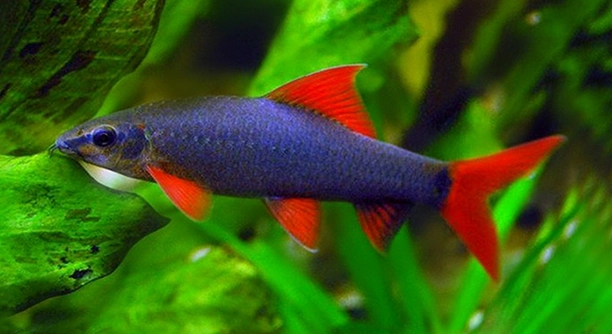
Are your rainbow sharks showing signs of stress or becoming less active than usual, leaving you unsure of what might be wrong?
The best way to prevent your rainbow shark from becoming sick is by maintaining clean water conditions, offering a balanced diet, reducing stress, and providing enough space. Proper tank setup and consistent monitoring can significantly improve their overall health.
Learning these preventive methods helps reduce illness and supports a longer, healthier life for your rainbow shark in its aquatic environment.
Maintain Proper Water Conditions
A clean tank is one of the most important things you can offer your rainbow shark. Poor water quality leads to stress, illness, and weakened immunity. Use a high-quality filter and perform regular partial water changes, about 25% weekly. Keep the water temperature between 75–81°F and the pH between 6.5–7.5. Monitor ammonia, nitrite, and nitrate levels using an aquarium test kit to ensure they stay within safe ranges. Avoid overfeeding, as uneaten food can quickly impact water quality. Stable conditions reduce the chance of disease and allow your rainbow shark to thrive in a healthy environment.
Cleaning the tank too often or changing all the water at once can do more harm than good. Small, consistent maintenance is safer.
Stick to a weekly schedule. Rinse filters in old tank water to keep helpful bacteria alive. Watch for cloudy water or foul smells, as they may signal an imbalance.
Offer a Balanced Diet
Overfeeding and poor-quality food can lead to health problems. Rainbow sharks need a variety of nutrients to stay active and strong.
Feed them high-quality sinking pellets as their main food. Add in occasional treats like blanched vegetables (zucchini, spinach), bloodworms, or brine shrimp. Avoid giving only one type of food, as this limits their nutrient intake. Feed small amounts once or twice daily, only what they can eat in under two minutes. Uneaten food should be removed quickly. A proper diet helps prevent bloating, swim issues, and weakened immunity. Observe their eating habits. If they stop eating or become aggressive during feeding, it may signal stress or other problems. Providing varied, high-quality meals supports their immune system and keeps them active.
Reduce Tank Stress
Stress can quickly weaken your rainbow shark’s immune system. It often comes from poor tank mates, sudden water changes, or too much light and noise. Creating a calm, consistent environment helps prevent many common illnesses.
Rainbow sharks are territorial and prefer to be the only bottom-dweller in the tank. Avoid housing them with other aggressive species or similar-shaped fish, as this can trigger stress and fighting. Add hiding places like caves or driftwood to help them feel safe. Maintain a steady light cycle, ideally 8–10 hours of light per day, and reduce sudden movements near the tank. Don’t overcrowd the tank. A single rainbow shark should have at least 50 gallons of space. Monitor their behavior regularly. Chasing, hiding constantly, or refusing to eat are signs of stress that need to be addressed quickly to prevent illness or injury.
Changing tank layout too often can also cause stress. Keep decorations and zones consistent.
Avoid Overcrowding
Too many fish in one tank can lead to poor water quality, territorial disputes, and constant stress. Rainbow sharks need space to move, hide, and establish their area without being bothered by other fish.
For one rainbow shark, a 50-gallon tank is the minimum. If you plan to include other fish, choose peaceful species that swim in different areas of the tank. Rainbow sharks prefer the bottom, so avoid adding other bottom-dwellers like loaches or catfish. Provide clear territory boundaries using plants or rock structures to break the line of sight. This reduces confrontations and helps each fish feel more secure. Overcrowding leads to excess waste, which affects water quality and increases the risk of diseases. It also raises stress levels, which can cause aggression or withdrawal. Watching how your fish interact after adding a new tank mate is important. If signs of stress appear, be ready to make changes.
Quarantine New Fish
New fish can carry bacteria or parasites that may harm your rainbow shark. Always quarantine new additions in a separate tank for at least two weeks. This helps you spot any signs of illness before introducing them.
During quarantine, observe for fin damage, rapid breathing, or unusual swimming. Treat issues immediately if they appear.
Monitor Water Parameters Regularly
Testing your water weekly is one of the best ways to keep your rainbow shark healthy. Use a reliable test kit to check ammonia, nitrite, nitrate, pH, and temperature. Even small changes in these values can cause stress or illness. Ammonia and nitrite should always be at zero, while nitrates should stay below 20 ppm. Sudden shifts in pH or temperature may weaken their immune system. If your shark starts hiding, losing color, or refusing to eat, test your water first before assuming it’s a disease. Fixing the water conditions often solves the problem before it gets worse.
Clean Tank Equipment
Dirty filters, heaters, and airline tubing can affect water quality and bacteria balance. Rinse equipment monthly using tank water, not tap water, to protect beneficial bacteria.
What are common signs that a rainbow shark is sick?
Common signs include loss of appetite, lethargy, faded colors, clamped fins, rapid breathing, and unusual swimming patterns like erratic darting or floating near the surface. White spots or fungus-like growths on the body also indicate illness. Early detection helps prevent serious problems.
How often should I change the water for my rainbow shark?
Perform a partial water change of about 25% weekly. This keeps ammonia and nitrate levels low and maintains stable water parameters. Avoid changing all the water at once to prevent shocking your fish, which can cause stress and illness.
Can rainbow sharks live with other fish?
Yes, but tank mates must be chosen carefully. Rainbow sharks are territorial and can be aggressive toward similar bottom-dwelling fish. Peaceful mid or top-level swimmers like tetras or barbs usually coexist well. Always provide plenty of hiding spots to reduce stress and fighting.
What is the ideal tank size for a rainbow shark?
A minimum of 50 gallons is recommended for one rainbow shark. This space allows them to swim freely and establish territory without feeling crowded. Larger tanks are better if you plan to keep multiple fish or other species.
What should I feed my rainbow shark?
Feed a balanced diet of high-quality sinking pellets designed for omnivores. Supplement with occasional live or frozen foods like bloodworms and brine shrimp, plus blanched vegetables such as zucchini or spinach. Feed small amounts once or twice daily and remove uneaten food promptly.
How can I prevent diseases in my rainbow shark?
Maintain good water quality through regular testing and water changes. Avoid overcrowding and stress by providing adequate space and hiding spots. Quarantine new fish for two weeks before adding them to the main tank. Feed a varied, balanced diet and observe your fish daily for any changes in behavior or appearance.
Why is my rainbow shark hiding a lot?
Excessive hiding usually means your fish feels stressed or threatened. Causes may include aggressive tank mates, poor water conditions, or insufficient hiding places. Check water quality and ensure the tank has decorations or plants where your shark can retreat safely.
Is it normal for a rainbow shark to be inactive sometimes?
Yes, rainbow sharks often rest during the day and become more active at dawn or dusk. However, prolonged inactivity, especially paired with other signs like loss of appetite or color fading, could indicate illness or poor tank conditions.
What temperature is best for rainbow sharks?
Maintain water temperature between 75°F and 81°F. Temperatures outside this range can stress your fish and weaken their immune system. Use a reliable heater and thermometer to keep the temperature stable.
How do I treat fin rot or fungal infections in rainbow sharks?
First, improve water quality by performing partial water changes. Use aquarium salt and anti-fungal or antibacterial medications as directed on the package. Isolate the infected fish if possible to prevent spread. Early treatment leads to faster recovery.
Can I keep multiple rainbow sharks in one tank?
Multiple rainbow sharks can be kept together only in very large tanks (100 gallons or more) with plenty of hiding spaces and territories. In smaller tanks, they often become aggressive toward each other, causing stress and injury.
How often should I clean the tank equipment?
Clean filters, heaters, and tubing monthly. Rinse in tank water, never tap water, to preserve beneficial bacteria. Keeping equipment clean ensures effective filtration and stable water parameters, which are crucial for fish health.
What causes white spots on my rainbow shark?
White spots usually indicate Ich, a common parasite. It spreads quickly in poor water conditions or when new fish are introduced without quarantine. Treat with Ich-specific medications and improve tank hygiene to control the outbreak.
Can rainbow sharks live without plants?
They can survive without plants but benefit greatly from live or artificial plants. Plants provide hiding places, reduce stress, and help maintain water quality. Avoid sharp plants that could injure their fins.
How do I know if my rainbow shark is stressed?
Signs of stress include hiding, rapid breathing, loss of appetite, faded colors, and erratic swimming. Stress usually results from poor water quality, aggressive tank mates, overcrowding, or sudden changes in the tank environment. Addressing these causes helps prevent illness.
What is the best way to acclimate a new rainbow shark?
Float the bag in the tank for 15-20 minutes to equalize temperature. Slowly add small amounts of tank water to the bag over an hour. This gradual adjustment reduces shock from changes in water chemistry. Then gently release the fish into the tank.
Taking good care of your rainbow shark means paying close attention to several important factors. Keeping the water clean and stable is key to preventing illness. Regular water changes, testing water parameters, and maintaining the right temperature and pH create a healthy environment. Providing a balanced diet that includes quality pellets, live or frozen foods, and vegetables keeps your fish well-nourished and strong. Overfeeding or poor nutrition can cause health problems, so feeding only what they can eat in a few minutes is important. These steps help your rainbow shark stay active and avoid common diseases.
Besides water and food, managing stress plays a big role in keeping your rainbow shark healthy. Stress can come from overcrowding, aggressive tank mates, or sudden changes in the tank setup. Rainbow sharks are territorial, so they need enough space and places to hide. Adding plants, caves, or decorations helps create a calm environment where your fish can feel safe. Quarantining new fish before adding them to the main tank also lowers the risk of introducing diseases. Watching your fish regularly allows you to catch any signs of illness early and take quick action.
Overall, simple, consistent care habits make a big difference. Maintaining good water quality, offering a varied diet, managing stress, and monitoring your fish’s behavior all work together to keep your rainbow shark healthy. By providing a proper environment and good nutrition, you give your fish the best chance for a long, happy life in your aquarium. Taking the time to understand their needs shows respect for these beautiful creatures and makes your aquarium experience more rewarding.

Hello,
If you enjoy the content that we create, please consider saying a "Thank You!" by leaving a tip.
Every little bit helps us continue crafting quality advice that supports the health, happiness, and well-being of pets around the world, for pets of all shapes, sizes, and species.
We really appreciate the kindness and support that you show us!