
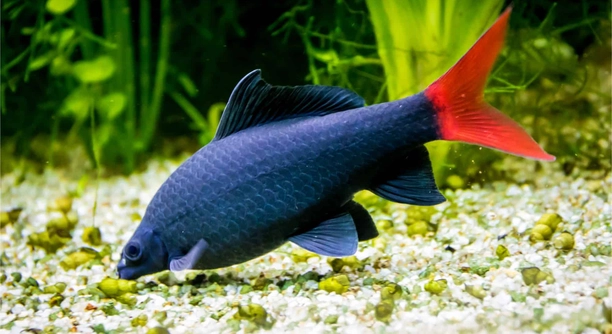
Rainbow Sharks are popular aquarium fish known for their striking colors and active behavior. Many owners enjoy watching them swim, but sometimes these fish develop a habit of scratching against tank surfaces. This can be worrying and affect their well-being.
The primary reasons Rainbow Sharks scratch include poor water quality, sharp decorations, parasites, or stress caused by overcrowding and improper tank conditions. Addressing these factors can reduce or stop the scratching behavior effectively.
Learning the causes and solutions will help you keep your Rainbow Shark healthy and comfortable in its environment. The following tips offer practical ways to improve your fish’s tank life.
Check Water Quality Regularly
Maintaining good water quality is essential for your Rainbow Shark’s health. Poor water conditions can cause irritation, making the fish scratch against surfaces. Testing the water regularly for ammonia, nitrite, nitrate, and pH levels helps you catch problems early. Using a reliable test kit is a simple way to monitor these values. If you find any chemical imbalance, perform partial water changes promptly to restore a healthy environment. Clean water reduces stress and supports the fish’s natural immune system, preventing issues that lead to scratching.
Keeping your tank clean and balanced will prevent many health problems.
A stable environment is crucial. Sudden changes in water temperature or chemistry can upset your Rainbow Shark. Avoid overfeeding, as leftover food can pollute the water quickly. Use a quality filter to keep the water clear and oxygenated. Remember, consistency in maintenance routines helps your fish feel secure and less likely to scratch due to stress or irritation.
Remove Sharp Decorations and Substrate
Sharp or rough tank decorations can injure your Rainbow Shark, causing it to scratch. Removing or replacing these items with smooth, safe alternatives can protect your fish’s skin and fins. Pay attention to rocks, driftwood, or plastic plants that might have jagged edges. The right decorations also create hiding spots and reduce stress.
Choosing smooth gravel or sand as substrate minimizes scratches.
When setting up your tank, focus on creating a comfortable space for your Rainbow Shark. Avoid sharp objects and rough surfaces that might harm the fish. Smooth decorations not only protect the fish but also make the aquarium easier to clean. Consider natural plants or rounded stones for a safer environment. These changes help your Rainbow Shark swim freely without injury, reducing the urge to scratch. Adjusting the tank setup can be a straightforward and effective way to improve your fish’s comfort and overall health.
Reduce Stress in the Tank
Stress often leads Rainbow Sharks to scratch. Overcrowding, sudden changes, or aggressive tank mates increase their anxiety. Keeping a calm environment helps reduce this behavior.
Creating a peaceful tank starts with choosing compatible fish and avoiding too many inhabitants. Rainbow Sharks prefer territories, so provide enough space and hiding spots. Keep the tank in a quiet area away from loud noises and vibrations. Regular feeding at consistent times also helps your fish feel secure. Minimizing disturbances reduces stress, which in turn lowers scratching incidents.
If stress persists, consider rearranging the tank layout to give your Rainbow Shark fresh territory. This can distract the fish and improve comfort. Sometimes small changes make a big difference in calming them down and stopping unwanted scratching.
Treat for Parasites
Parasites can irritate your Rainbow Shark’s skin and cause scratching. Regular observation is key to spotting signs like redness or unusual spots. Early treatment prevents worsening conditions.
If you suspect parasites, isolate the affected fish to avoid spreading them. Use appropriate medications recommended for freshwater fish and follow instructions carefully. Maintain excellent water quality during treatment to support healing. Parasite infestations often result from new fish introductions or poor tank hygiene. Quarantining new fish before adding them to your main tank reduces this risk. Treating parasites promptly helps your Rainbow Shark recover quickly and stop scratching caused by irritation.
Avoid Overfeeding
Overfeeding leads to poor water quality, which can cause your Rainbow Shark to scratch. Uneaten food decays, increasing harmful substances in the tank.
Feed small amounts that your fish can finish in a few minutes. This helps keep the tank clean and your fish healthy.
Provide Proper Tank Size
A small tank limits swimming space and increases stress in Rainbow Sharks. Ensure the tank is at least 30 gallons for one fish.
Larger tanks allow for better water quality and reduce aggressive behavior. Providing enough room keeps your Rainbow Shark comfortable and less likely to scratch.
Maintain Consistent Temperature
Rainbow Sharks thrive in stable temperatures between 74°F and 80°F. Sudden changes can cause stress and skin irritation.
Use a reliable heater and thermometer to keep temperature steady, avoiding fluctuations that might trigger scratching behavior.
FAQ
Why does my Rainbow Shark keep scratching itself?
Rainbow Sharks scratch mainly due to irritation or discomfort. Common causes include poor water quality, sharp decorations, parasites, or stress. If the water parameters are off, your fish’s skin can become sensitive. Sharp tank objects can cause physical damage, while parasites irritate the skin. Stress from overcrowding or aggressive tank mates also leads to scratching as a reaction to discomfort.
How often should I test my tank water to prevent scratching?
It’s best to test your tank water weekly. Regular checks for ammonia, nitrite, nitrate, and pH help catch problems early. In new setups, test more frequently until the tank stabilizes. If water quality drops, perform partial water changes immediately. Consistent monitoring prevents skin irritation that causes scratching.
Can scratching be a sign of disease in Rainbow Sharks?
Yes, scratching can indicate disease. Parasites, fungal infections, or bacterial problems often cause skin irritation. Early symptoms include rubbing against surfaces, redness, or loss of scales. If scratching continues despite good water quality and safe decorations, consider treating for parasites or infections after proper diagnosis.
How do I safely treat parasites in my Rainbow Shark?
First, isolate the affected fish if possible to stop the spread. Use medications designed for freshwater fish, following label instructions carefully. Maintain clean, well-oxygenated water during treatment to help recovery. Quarantine new fish before adding them to your tank to avoid introducing parasites.
What tank size is best to reduce scratching behavior?
A minimum of 30 gallons is recommended for one Rainbow Shark. Larger tanks reduce territorial stress and provide ample swimming space. A cramped environment increases stress and aggressive behavior, which can lead to scratching. More space supports healthier, less stressed fish.
Are certain tank mates better to prevent scratching?
Yes, choose peaceful species that won’t harass your Rainbow Shark. Avoid aggressive or very active fish that might stress it. Good tank mates help keep stress low, reducing scratching caused by anxiety or injuries from fights.
Can diet affect my Rainbow Shark’s scratching?
Indirectly, yes. Overfeeding leads to poor water quality, which can irritate the fish’s skin. Balanced feeding supports good health, but leftover food can pollute the tank and cause discomfort. Feed only what the fish can eat in a few minutes to keep water clean and skin healthy.
How do I create hiding spots to reduce scratching?
Use smooth rocks, plants, or decorations to build safe hiding places. These reduce stress by giving your Rainbow Shark a retreat. Avoid sharp edges and rough surfaces. A comfortable space helps the fish feel secure and lowers the chance of scratching from stress or injury.
What water temperature should I maintain to prevent scratching?
Keep water between 74°F and 80°F. Stable temperatures prevent stress and skin irritation. Use a heater and thermometer to maintain this range and avoid sudden changes that can trigger scratching.
How can I tell if scratching is from parasites or tank conditions?
If scratching occurs alongside other symptoms like spots, redness, or frayed fins, parasites or infections might be the cause. If water tests reveal poor quality, irritation is likely due to tank conditions. Observing other fish behavior and the presence of visible parasites can also help identify the problem.
Is it necessary to quarantine new fish to prevent scratching?
Yes, quarantining new fish for at least two weeks reduces the risk of introducing parasites or diseases. This practice protects your existing fish and keeps the tank environment stable, minimizing causes of scratching.
Can stress from tank rearrangement cause scratching?
Sudden changes can stress your Rainbow Shark, leading to scratching. If you rearrange the tank, do so gradually and avoid drastic changes. Give your fish time to adjust to new layouts or decorations to keep stress low.
What signs mean I should visit a vet or fish specialist?
If scratching continues despite good water quality, safe tank setup, and parasite treatments, consult a vet. Signs like severe skin damage, lethargy, or unusual behavior indicate serious health issues needing professional care.
How can I keep my Rainbow Shark comfortable long-term?
Maintain clean water, stable temperature, proper tank size, safe decorations, and compatible tank mates. Feed appropriately and watch for signs of illness. Regular maintenance and observation keep your fish healthy and reduce scratching problems.
Rainbow Sharks are beautiful fish that can bring life to any aquarium. However, scratching is a common issue that many owners face. It is important to understand that scratching often signals discomfort or irritation. By paying attention to water quality, tank setup, and the overall environment, you can help your fish feel safe and healthy. Consistent care is the best way to prevent problems before they start.
Keeping the water clean and stable is one of the most important steps to stop scratching. Fish are very sensitive to changes in their environment, and poor water conditions can cause skin irritation. Testing the water regularly and making sure the tank is not overcrowded can reduce stress. Removing sharp objects and using smooth decorations also protect your Rainbow Shark from injuries. All these small efforts create a better home for your fish and help stop the scratching behavior.
Sometimes, scratching may be a sign of parasites or illness, so monitoring your fish closely is important. If you notice redness, spots, or unusual behavior, treat the problem quickly to avoid further harm. Providing the right tank size, proper diet, and a peaceful environment supports your fish’s health in the long run. Taking care of these details will improve your Rainbow Shark’s comfort and reduce the chances of scratching. With patience and attention, you can enjoy watching your fish thrive.

Hello,
If you enjoy the content that we create, please consider saying a "Thank You!" by leaving a tip.
Every little bit helps us continue crafting quality advice that supports the health, happiness, and well-being of pets around the world, for pets of all shapes, sizes, and species.
We really appreciate the kindness and support that you show us!