
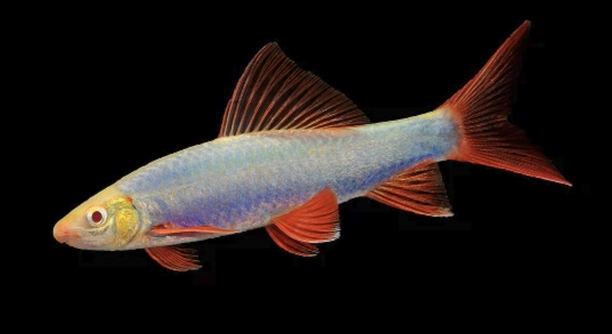
Many aquarium enthusiasts find rainbow sharks to be a striking addition to their tanks. These fish are known for their vibrant colors and active behavior. However, before adding one to your setup, it’s important to understand their needs and temperament.
Rainbow sharks require a well-maintained tank with ample space and hiding spots. They can be territorial and may show aggression toward other fish, especially those with similar shapes or sizes. Proper diet and water conditions are essential for their health and longevity.
Knowing these key points will help you create a better environment for your rainbow shark and maintain harmony within your aquarium community. This article covers the essentials you should consider before introducing one to your tank.
Tank Size and Setup
Rainbow sharks need enough room to swim freely. A minimum tank size of 30 gallons is recommended for one fish. They prefer tanks with plenty of hiding spots, such as caves and plants, where they can retreat when feeling stressed. The tank should have a soft substrate since rainbow sharks like to explore the bottom. Maintaining clean water is important, so a good filtration system is necessary. Regular water changes also help keep the environment healthy. They do best in tanks with moderate lighting and some open swimming space. Setting up the tank with these factors in mind will create a comfortable home for your rainbow shark.
A 30-gallon tank is the minimum, but larger tanks provide a better environment for these active fish.
With the right tank size and setup, your rainbow shark will have space to show its natural behavior. Avoid overcrowding by choosing compatible tank mates and creating distinct territories. Adding plants and decorations can reduce stress and prevent aggression. Monitor water parameters like temperature, pH, and ammonia levels regularly to keep conditions stable. A well-planned tank setup ensures your rainbow shark stays healthy and vibrant.
Behavior and Compatibility
Rainbow sharks can be territorial, especially toward fish with similar shapes or sizes.
They may chase or nip at tank mates if space is limited. Because of this, it’s best to keep them with peaceful, fast-swimming fish that occupy different levels of the tank. Avoid slow-moving or long-finned fish that could become targets. Grouping multiple rainbow sharks together in a small tank can lead to fights, so if you want more than one, provide a larger tank with plenty of hiding spots. Understanding their behavior helps prevent conflicts and promotes a peaceful aquarium environment.
Diet and Feeding
Rainbow sharks eat a variety of foods including flakes, pellets, and live or frozen options. They prefer a balanced diet that includes plant matter and protein. Feeding small amounts twice a day helps maintain their health without overfeeding.
It’s important to offer high-quality sinking pellets as the main diet because rainbow sharks spend most of their time near the bottom of the tank. Supplement their meals with live or frozen foods like bloodworms, brine shrimp, or daphnia to provide protein and keep them active. Including some vegetable matter, such as blanched spinach or zucchini, supports their digestion and overall well-being.
Avoid feeding only flakes or foods that float on the surface, as rainbow sharks may miss their meals. Regularly remove any uneaten food to prevent water quality issues. A varied diet helps maintain their bright colors and boosts their immune system, making them less prone to diseases.
Water Parameters and Maintenance
Rainbow sharks thrive in water temperatures between 72°F and 79°F (22°C to 26°C). The pH should be kept between 6.5 and 7.5 for optimal health. Stable water conditions reduce stress and encourage natural behavior.
Keeping ammonia and nitrite levels at zero is essential, with nitrate levels below 20 ppm. Regular water changes of 20-30% weekly help maintain these levels. Using a reliable filtration system ensures good water circulation and oxygenation. Testing water parameters frequently allows early detection of problems. Avoid sudden changes in temperature or chemistry, as rainbow sharks are sensitive to fluctuations. Proper maintenance creates a healthy tank environment, supporting your fish’s longevity and vibrancy.
Tank Decorations and Hiding Spots
Rainbow sharks need places to hide to feel safe and reduce stress. Adding rocks, caves, and dense plants helps create a comfortable environment.
Hiding spots also prevent aggression by giving them areas to claim as their own, which can keep tank mates peaceful.
Common Health Issues
Rainbow sharks can suffer from fin rot, ich, and bacterial infections if water quality is poor. Stress and overcrowding increase their risk of illness.
Maintaining clean water and a balanced diet helps prevent these problems. Quarantining new fish before adding them to the tank reduces the chance of disease spreading.
Breeding Challenges
Breeding rainbow sharks in a home aquarium is difficult due to their territorial nature and specific spawning needs.
They require a large tank with plenty of space and hiding places. The process is rare and usually best left to experienced breeders.
FAQ
How often should I feed my rainbow shark?
Feeding your rainbow shark twice a day with small amounts is best. Overfeeding can lead to poor water quality and health problems. Offer a mix of sinking pellets and occasional live or frozen foods to keep their diet balanced. Remove any uneaten food to prevent waste buildup in the tank.
Can rainbow sharks live with other fish?
Yes, but choose tank mates carefully. Rainbow sharks can be territorial and aggressive toward fish that look similar or move slowly. Fast-moving, peaceful fish that occupy different parts of the tank are usually good companions. Avoid keeping multiple rainbow sharks in small tanks to reduce fights.
What tank size is ideal for a rainbow shark?
A minimum of 30 gallons is recommended for one rainbow shark. Larger tanks provide better space for swimming and reduce territorial disputes. If keeping more than one, increase tank size accordingly and add plenty of hiding spots to help them coexist.
What water conditions do rainbow sharks need?
They prefer water temperatures between 72°F and 79°F (22°C to 26°C) and a pH of 6.5 to 7.5. Ammonia and nitrite levels should be at zero, with nitrates below 20 ppm. Regular water testing and maintenance keep these conditions stable.
How do I reduce aggression in my rainbow shark?
Provide plenty of hiding places and decorate the tank with rocks, caves, and plants to create territories. Avoid overcrowding the tank. Pair rainbow sharks with peaceful, fast-swimming fish to reduce conflicts. Maintaining good water quality and proper feeding also helps minimize stress and aggression.
What should I feed a rainbow shark?
High-quality sinking pellets should be the main diet. Supplement with live or frozen foods like bloodworms and brine shrimp. Adding some vegetable matter, such as blanched zucchini or spinach, supports their digestion. Avoid feeding only flakes or floating foods, as rainbow sharks feed near the bottom.
How often should I change the water?
A weekly water change of 20-30% is ideal to maintain clean and healthy tank conditions. Regular water changes help remove waste and toxins, preventing illnesses. Consistency in water changes helps keep the fish comfortable and stress-free.
Are rainbow sharks good for beginners?
They can be kept by beginners who are willing to maintain proper tank conditions and monitor behavior closely. Their territorial nature and specific water requirements mean they need a bit more care than some other fish, but they are rewarding for those who prepare well.
Can rainbow sharks live alone?
Yes, rainbow sharks can live alone and often do well this way. Living alone reduces territorial disputes, but they still need a proper tank size and environment to thrive. A well-maintained tank with hiding spots is essential for their health.
How long do rainbow sharks live?
With good care, rainbow sharks typically live between 5 to 7 years. Proper diet, stable water conditions, and a peaceful environment contribute to their lifespan. Regular monitoring helps catch health issues early, improving their chances of living longer.
Final Thoughts
Adding a rainbow shark to your tank can bring color and activity that many fishkeepers enjoy. These fish are known for their bright, shimmering bodies and lively swimming. However, they need more care than some other common aquarium fish. Understanding their behavior, tank requirements, and diet helps ensure they live healthy, happy lives. Setting up the right environment and paying attention to their needs will make your experience more rewarding.
Rainbow sharks are territorial by nature, so giving them enough space and hiding places is important. A small or crowded tank can cause stress and aggression, leading to health problems or fights with other fish. Providing a tank that is at least 30 gallons with decorations such as plants, caves, and rocks helps create separate areas for the fish to feel secure. This setup reduces stress and keeps the tank peaceful. Maintaining clean water and stable conditions is just as important, as rainbow sharks are sensitive to sudden changes in water quality.
Feeding your rainbow shark a balanced diet is key to its well-being. They need food that sinks to the bottom since they spend much of their time near the tank floor. Offering a mix of high-quality pellets, live or frozen foods, and some vegetable matter supports their health and bright colors. Overfeeding can cause water problems and lead to illness, so it is best to feed small amounts twice daily. Regular maintenance, proper feeding, and the right tank conditions will help your rainbow shark thrive for many years. Taking the time to meet their needs will make having this fish in your home aquarium a satisfying experience.

Hello,
If you enjoy the content that we create, please consider saying a "Thank You!" by leaving a tip.
Every little bit helps us continue crafting quality advice that supports the health, happiness, and well-being of pets around the world, for pets of all shapes, sizes, and species.
We really appreciate the kindness and support that you show us!