
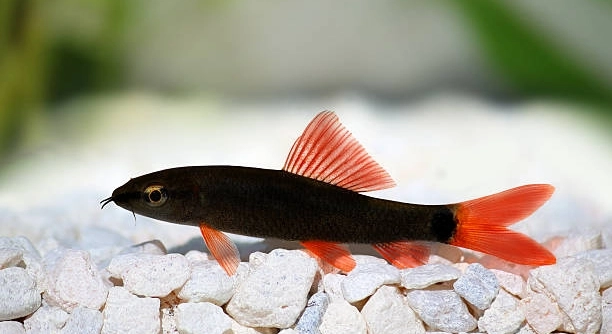
Rainbow Sharks are popular aquarium fish known for their striking colors and active nature. However, they can become territorial if not properly managed. Keeping their behavior balanced is important for a peaceful tank environment.
Preventing territorial behavior in Rainbow Sharks involves providing ample space, hiding spots, and compatible tank mates. Regular tank maintenance and a well-balanced diet also help reduce stress and aggression, promoting healthier social interactions.
Managing your Rainbow Shark’s environment carefully will help maintain harmony and keep your aquarium enjoyable for all its inhabitants.
Provide Enough Space in the Tank
Rainbow Sharks need plenty of room to swim and establish their territory without feeling cramped. A small tank makes them more likely to become aggressive as they compete for limited space. For one Rainbow Shark, a tank size of at least 55 gallons is recommended. Larger tanks allow each fish to claim its own area and reduce conflicts. Make sure to arrange decorations and plants so there are natural boundaries. This setup helps them feel secure and less stressed. Overcrowding can cause fights and stress-related health problems. Keeping the tank clean and well-maintained also supports a calm environment. Proper filtration and regular water changes help maintain water quality, which affects fish behavior. When the fish have enough space, they are more likely to coexist peacefully.
Avoid keeping too many Rainbow Sharks in one tank. One or two is usually best for the average home aquarium.
A spacious tank gives your Rainbow Shark room to explore and less reason to act aggressively. It also creates a better environment for all your fish.
Create Plenty of Hiding Spots
Rainbow Sharks need places to hide when they feel threatened or want to rest. Providing caves, plants, and decorations helps reduce stress and prevents fights. When fish can retreat, they feel safer, which lowers their aggression. Natural hiding spots mimic their habitat in the wild and make the tank feel more comfortable. Rocks, driftwood, and dense plants work well as shelters. Position these spots throughout the tank to give your Rainbow Shark multiple options. This setup also helps other fish stay out of the Rainbow Shark’s territory, reducing conflicts. Keep the decorations stable and secure so fish don’t get hurt. When hiding places are limited, Rainbow Sharks may chase or bully other fish more often. Creating enough shelters balances the tank dynamics and keeps your fish calmer.
Adding hiding spots will help your Rainbow Shark feel secure and less territorial over time.
Choose Compatible Tank Mates
Rainbow Sharks can be aggressive toward smaller or slower fish. Choosing tank mates that are fast and can hold their own reduces fights. Avoid keeping them with tiny or very passive species.
Fish like danios, barbs, and larger tetras often work well. These fish are active swimmers and can avoid bullying. Avoid other bottom dwellers that may compete for space. Keep an eye on how your fish interact, especially when introducing new tank mates. Sometimes behavior changes as fish settle in. If aggression increases, consider separating the fish to avoid injury or stress. Compatibility helps keep the tank peaceful and protects all the fish from harm.
Proper pairing encourages balance in your aquarium and limits territorial disputes.
Careful selection of tank mates is key to a calm and happy community tank.
Maintain a Consistent Feeding Schedule
Feeding Rainbow Sharks regularly helps reduce stress and aggression caused by hunger. Skipping meals or irregular feeding can make them more competitive and territorial. Feed them a balanced diet of pellets, flakes, and occasional live or frozen foods. This variety ensures they get the nutrients they need.
Offer food at the same times each day to build routine. Avoid overfeeding, which can pollute the tank and cause health problems. Uneaten food should be removed promptly. Good nutrition supports healthy behavior and coloration in your Rainbow Shark. Consistent feeding also prevents them from competing aggressively for food.
A well-fed Rainbow Shark is less likely to become hostile toward other fish.
Establishing a feeding routine helps maintain harmony and fish well-being in your aquarium.
Regular Tank Maintenance
Keeping the tank clean helps reduce stress for Rainbow Sharks. Dirty water can cause irritation and increase aggressive behavior.
Perform regular water changes and clean the substrate to maintain good water quality. Proper filtration also plays a big role in keeping the environment healthy.
Avoid Overcrowding
Too many fish in one tank increase competition for space and resources. This leads to more territorial fights.
Limiting the number of fish and giving each enough space reduces stress and aggression. Overcrowding harms the entire aquarium’s balance.
Use Plants and Decorations
Plants and decorations create visual barriers that break up the tank. This helps Rainbow Sharks feel less exposed and territorial.
A well-decorated tank reduces direct confrontations and offers hiding spots, keeping fish calmer overall.
FAQ
Why is my Rainbow Shark so territorial?
Rainbow Sharks are naturally territorial fish. They defend their space to feel safe and secure. If the tank is too small or overcrowded, their territorial instincts increase. Stress, poor water quality, or lack of hiding spots can also make them more aggressive. Providing enough space and shelter helps reduce this behavior.
Can Rainbow Sharks live peacefully with other fish?
Yes, Rainbow Sharks can live peacefully with certain tank mates. Fast, active fish like barbs or danios usually work well. Avoid slow or very small fish that may be bullied. Keeping the tank large and providing plenty of hiding spots helps maintain peace among the fish.
How big should my tank be for a Rainbow Shark?
A minimum of 55 gallons is recommended for one Rainbow Shark. Larger tanks are better if you want multiple fish or a community setup. Bigger spaces reduce territorial behavior by allowing each fish to claim its own area without conflict.
What is the best diet for a Rainbow Shark?
A balanced diet includes high-quality pellets or flakes designed for omnivores, plus occasional live or frozen foods like bloodworms or brine shrimp. Variety is important to keep them healthy and vibrant. Feeding small amounts two or three times a day works best.
How often should I clean the tank?
Partial water changes of 20-30% should be done weekly or biweekly. Cleaning the substrate and filter regularly also keeps the water quality high. Good water conditions reduce stress and aggressive behavior in Rainbow Sharks.
Can adding plants help reduce aggression?
Yes, plants create natural barriers and hiding spots that break up territories. This helps Rainbow Sharks feel less exposed and lowers fighting. Both live and artificial plants can work as long as they don’t overcrowd the tank.
What signs show my Rainbow Shark is stressed?
Signs of stress include hiding more than usual, loss of color, rapid breathing, or aggressive behavior. Stress can be caused by poor water quality, overcrowding, or lack of hiding spaces. Addressing these issues quickly helps the fish recover.
Is it okay to keep more than one Rainbow Shark together?
You can keep more than one, but it requires a large tank and plenty of space. If the tank is too small, they will fight over territory. Introducing them when young and providing many hiding places can help reduce aggression.
How do I know if my Rainbow Shark is healthy?
A healthy Rainbow Shark is active, has bright colors, and eats well. Its fins should be intact without damage, and it should swim smoothly. Regular water testing and a balanced diet support good health.
What should I do if aggression gets out of control?
If aggression becomes too severe, separate the aggressive fish or provide a larger tank with more hiding spots. Sometimes rearranging the tank decorations can reset territories and reduce fighting. Monitoring behavior closely helps catch problems early.
Final Thoughts
Keeping a Rainbow Shark from becoming too territorial takes some care and attention, but it is very doable. The key is to provide enough space and hiding spots so your fish feels safe and secure. When they have their own area and places to retreat, they are less likely to act aggressively. Maintaining clean water and a consistent feeding routine also plays a big role in keeping your Rainbow Shark calm and healthy. A well-kept tank reduces stress and supports better behavior.
Choosing the right tank mates is important, too. Rainbow Sharks are not always the most peaceful fish, so it is best to pick other species that can handle their energy and occasional territorial displays. Fast swimmers or fish that live in different parts of the tank usually get along better. Overcrowding is a common cause of fighting, so avoid putting too many fish in a small space. With careful planning and observation, you can create a balanced aquarium where your Rainbow Shark and other fish coexist happily.
Remember, every Rainbow Shark has its own personality and may behave differently depending on its environment. What works well for one tank might need some adjusting in another. Pay close attention to your fish’s behavior and make changes as needed. This might mean adding more plants, rearranging decorations, or separating aggressive fish when necessary. By providing the right conditions and staying involved in their care, you can enjoy watching your Rainbow Shark thrive without the stress of constant territorial battles. This creates a peaceful and beautiful home for all your aquatic pets.

Hello,
If you enjoy the content that we create, please consider saying a "Thank You!" by leaving a tip.
Every little bit helps us continue crafting quality advice that supports the health, happiness, and well-being of pets around the world, for pets of all shapes, sizes, and species.
We really appreciate the kindness and support that you show us!