
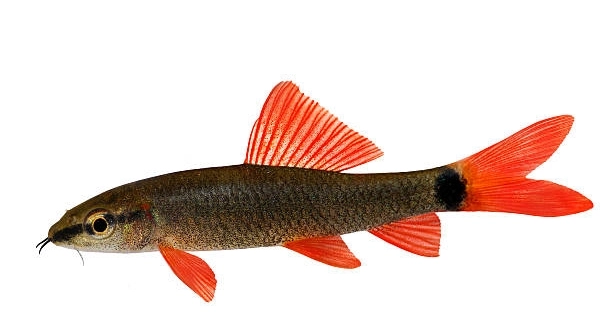
Rainbow sharks are popular aquarium fish known for their vibrant colors and active behavior. They can be sensitive to changes in their environment and may show signs of loneliness. Understanding these signs helps maintain their well-being.
Rainbow sharks exhibit loneliness through changes in behavior such as reduced activity, hiding more often, loss of appetite, increased aggression, or spending time isolated from other fish. Recognizing these signs early allows for timely adjustments to improve their social environment.
Knowing these signs helps ensure your rainbow shark stays healthy and content in its tank. This article will guide you through the key indicators to watch for.
Signs Your Rainbow Shark Is Less Active Than Usual
Rainbow sharks are usually energetic swimmers, exploring every corner of the tank. When they feel lonely, their activity level often drops. They may spend long periods resting in one spot or hiding behind decorations. This change in behavior can indicate that they are stressed or bored. A lonely rainbow shark might also stop chasing food or interacting with other fish. Watching for this shift in movement is important because it shows when your fish needs more social interaction or environmental changes. Keeping their environment stimulating with plants, rocks, or other fish can help improve their mood and activity.
Reduced swimming and increased hiding are clear signs that your rainbow shark might be feeling lonely or stressed.
A lack of movement in your rainbow shark not only affects its health but also signals that it needs attention. Loneliness can cause stress, which lowers its immune system and makes it vulnerable to illness. Adding tank mates or changing the environment can help. Sometimes rearranging the tank or introducing new hiding spots encourages your shark to explore again. Make sure the tank size suits their needs, as cramped spaces can increase stress. Proper care helps restore their natural energy and keeps them happy.
Loss of Appetite and Its Effects
When rainbow sharks feel lonely, they often eat less or lose interest in food altogether. This behavior can lead to poor health if not addressed quickly. Loss of appetite is one of the earliest signs that something is wrong. Watching your fish’s eating habits closely helps catch problems before they become serious. Ensuring a balanced diet and a stress-free environment supports their well-being.
Decreased eating is a common sign that your rainbow shark might be lonely or unhappy.
Rainbow sharks rely on regular feeding to maintain their health and vibrant colors. When they stop eating, it affects their growth and energy levels. Loneliness may cause stress that disrupts their appetite, making them less responsive to feeding times. To help, try feeding smaller portions more frequently or offering a variety of foods to spark their interest. Also, check water quality and tank conditions, as poor environment can worsen appetite loss. A healthy diet combined with a comfortable tank setting encourages your rainbow shark to regain its normal eating habits.
Increased Aggression Toward Other Fish
Rainbow sharks feeling lonely may become more aggressive. They might chase or nip at other tank mates more often than usual. This behavior is a sign of stress and frustration. It’s important to monitor interactions closely to prevent injury.
Aggression often stems from the shark’s need for social interaction or space. If the tank is too small or overcrowded, the fish may feel threatened and act out. Providing enough room and hiding places helps reduce tension. Sometimes adding compatible tank mates can ease loneliness and lower aggression. Adjusting the environment can calm your rainbow shark and improve its behavior toward others.
Understanding what triggers aggression allows you to make changes that benefit all fish in the tank. Keeping the tank balanced and peaceful is essential for their well-being and social harmony.
Spending More Time Isolated
When rainbow sharks are lonely, they tend to isolate themselves. They may stay hidden or choose areas far from other fish, avoiding social contact. This withdrawal is a key sign of discomfort or sadness.
Isolation can worsen loneliness because these fish naturally prefer some level of interaction. Lack of stimulation can cause them to retreat even more. Ensuring the tank has enough hiding spots and visual barriers can help them feel secure. At the same time, adding gentle tank mates encourages socializing without overwhelming them. Watching their behavior over time reveals whether they are adapting or still stressed. Proper care balances solitude and interaction to support a healthy environment.
Changes in Color Vibrancy
A lonely rainbow shark may show duller colors than usual. Its bright, shiny hues can fade, indicating stress or poor health.
Color loss signals that the fish’s well-being is compromised. Addressing loneliness often helps restore its natural vibrancy and overall appearance.
Excessive Hiding Behavior
Rainbow sharks that feel lonely often hide more than usual. They may retreat behind plants or decorations to avoid contact.
This hiding can indicate discomfort or anxiety. Reducing stress by improving the tank environment can help your fish feel safer and more confident.
Lack of Interaction with Tank Mates
Rainbow sharks are generally social with other fish but may stop interacting when lonely. They might ignore or avoid companions in the tank.
Reduced interaction is a sign of distress and can lead to further isolation. Encouraging a balanced environment helps promote healthy social behavior.
Restlessness or Erratic Swimming
Restlessness, such as swimming frantically or erratically, can signal loneliness. This behavior often shows the fish’s discomfort or stress in its environment.
How can I tell if my rainbow shark is lonely?
Loneliness in rainbow sharks often shows through changes in behavior. Common signs include reduced activity, loss of appetite, increased aggression, excessive hiding, dull colors, and less interaction with other fish. Watching these behaviors closely helps you understand your fish’s emotional state and needs.
What causes loneliness in rainbow sharks?
Rainbow sharks are semi-aggressive and social fish that need interaction and enough space. Loneliness may result from isolation, lack of tank mates, or a tank environment that doesn’t meet their social or physical needs. Overcrowding or lack of hiding places can also cause stress, which might appear as loneliness.
Can rainbow sharks live alone?
While they can survive alone, rainbow sharks usually thrive better with compatible tank mates. A single shark may feel isolated, which leads to stress or loneliness. Adding one or two peaceful fish can help improve their social environment without causing aggression or overcrowding.
How many rainbow sharks should I keep together?
It’s best to keep only one rainbow shark per tank because they can be territorial. However, you can add other non-aggressive fish to provide social interaction. Ensure the tank is large enough, typically at least 55 gallons, to provide enough space and reduce territorial disputes.
What tank conditions help prevent loneliness?
A tank with plenty of hiding spots, plants, and open swimming areas reduces stress. Maintaining good water quality, stable temperature, and proper lighting also supports your fish’s health. Creating a balanced environment encourages natural behavior and helps prevent loneliness.
Can changing tank mates affect my rainbow shark’s behavior?
Yes, introducing new tank mates can either reduce loneliness or increase stress. Choose peaceful species that won’t provoke aggression. Observe the interactions carefully after adding new fish. Proper introduction and space management can help your rainbow shark adjust and feel more secure.
What should I do if my rainbow shark shows signs of loneliness?
Start by improving the tank environment: add hiding places, rearrange decorations, or introduce compatible fish. Monitor water quality and feeding habits closely. Sometimes simply changing the tank layout can stimulate your shark and reduce loneliness. If aggression increases, reassess the tank setup and fish population.
How does loneliness affect the health of a rainbow shark?
Loneliness can lead to stress, which weakens the immune system and makes the fish vulnerable to diseases. Prolonged stress may cause appetite loss, lethargy, and color fading. Keeping your rainbow shark mentally and physically stimulated helps maintain its health and longevity.
Is it normal for rainbow sharks to be aggressive sometimes?
Yes, rainbow sharks naturally have territorial behavior, especially toward their own species. Occasional aggression is normal, but frequent or severe attacks might indicate stress or loneliness. Providing enough space and hiding spots helps reduce aggressive behavior.
Can I use decorations to reduce loneliness in my rainbow shark?
Yes, decorations create hiding places and break line of sight, which helps your fish feel safe. Plants, caves, and rocks offer shelter and areas to explore, reducing stress and loneliness. Changing decorations occasionally can keep the environment interesting and stimulating.
Will my rainbow shark get used to being alone over time?
Some fish may adapt to being alone, but it’s not ideal for their well-being. Lack of social interaction can cause ongoing stress. Providing enrichment and occasional company usually leads to better health and behavior. Loneliness is often easier to prevent than to fix after it develops.
How often should I check on my rainbow shark’s behavior?
Daily observation is important. Watching feeding, swimming, and interaction patterns helps detect early signs of loneliness or illness. Keeping a routine allows you to notice subtle changes and act promptly to improve your fish’s environment.
Can diet changes help if my rainbow shark seems lonely?
A varied diet can improve appetite and mood. Offering different types of food, like pellets, flakes, and occasional live or frozen treats, can stimulate interest. While diet alone won’t fix loneliness, proper nutrition supports overall health and helps the fish cope better with stress.
What are some compatible tank mates for a rainbow shark?
Good tank mates include peaceful fish like tetras, danios, or barbs that occupy different tank levels. Avoid slow-moving or small fish that may become targets. Choosing species with calm temperaments helps create a balanced social environment without triggering aggression.
How can I reduce aggression caused by loneliness?
Provide enough space, hiding places, and tank mates to keep your rainbow shark engaged. Rearranging the tank and maintaining water quality also helps. If aggression persists, consider separating aggressive individuals temporarily or permanently to protect all fish.
Can stress from loneliness be reversed?
Yes, with proper care. Improving the tank setup, adding social companions, and maintaining water quality can help your rainbow shark recover. Recovery takes time, so patience and consistent attention to their needs are essential for success.
Are there signs that loneliness has caused permanent damage?
Severe or prolonged loneliness can lead to lasting health issues like stunted growth or chronic stress. If your fish shows persistent lethargy, faded colors, or constant hiding despite changes, consult an expert. Early intervention is key to preventing permanent harm.
Rainbow sharks are beautiful and active fish that add life to any aquarium. However, they can experience loneliness, which affects their behavior and health. Recognizing the signs of loneliness, such as changes in activity, appetite, or aggression, is important for their well-being. Paying close attention to these behaviors allows you to take steps to improve their environment and social needs.
Creating a comfortable and stimulating tank is essential to prevent loneliness. This includes providing enough space, hiding spots, and compatible tank mates. Water quality and stable tank conditions also play a big role in keeping your rainbow shark healthy. Small changes like rearranging decorations or adding plants can make a difference in how your fish feels and behaves. When loneliness is addressed early, your rainbow shark will regain its natural energy and bright colors.
Understanding your fish’s needs helps ensure a happier life for your rainbow shark. Loneliness can cause stress, but with proper care, the fish can recover and thrive. Regular observation and adjustments to the tank environment support their health over time. Taking these simple steps helps maintain a balanced and peaceful aquarium where your rainbow shark can feel safe and content.

Hello,
If you enjoy the content that we create, please consider saying a "Thank You!" by leaving a tip.
Every little bit helps us continue crafting quality advice that supports the health, happiness, and well-being of pets around the world, for pets of all shapes, sizes, and species.
We really appreciate the kindness and support that you show us!