
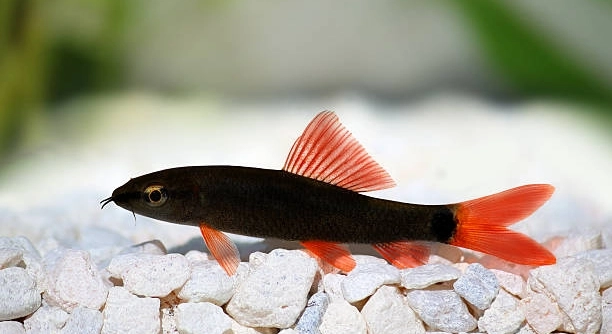
Rainbow sharks are popular freshwater fish known for their vibrant colors and active nature. Many aquarium owners want to provide the best environment to keep them healthy and happy. Creating an ideal habitat requires attention to specific needs.
Providing a suitable habitat for rainbow sharks involves maintaining proper tank size, water conditions, hiding places, and compatible tank mates. A balanced diet and regular maintenance also contribute to their well-being and longevity in captivity.
Learning how to set up the right environment helps ensure your rainbow shark thrives and remains vibrant over time. This article will guide you through essential habitat tips.
Choosing the Right Tank Size
Rainbow sharks need space to swim actively. A tank that is too small can cause stress and limit their movement. Ideally, a minimum of 30 gallons is recommended for a single rainbow shark. Larger tanks are better if you plan to keep more fish. This gives the shark room to explore and establish its territory. Adequate space also helps maintain water quality, reducing toxins that build up in crowded tanks. When setting up the tank, consider its length more than height, as these fish prefer horizontal swimming space. A longer tank allows them to swim comfortably and display natural behavior. Proper tank size is the first step to creating a healthy environment.
Maintaining proper tank size supports your rainbow shark’s activity and overall health. It reduces aggression and helps maintain cleaner water.
Planning ahead for tank space ensures your rainbow shark will live in a stable and enriching habitat. This foundation allows for better long-term care and enjoyment.
Maintaining Water Quality
Good water quality is crucial for rainbow sharks. They prefer clean, well-filtered water with stable temperature and pH. The ideal temperature ranges from 72°F to 79°F, while the pH should be between 6.5 and 7.5. Regular water changes, about 25% weekly, help keep toxins like ammonia and nitrites low. Use a reliable filter that provides both mechanical and biological filtration to support a healthy environment. Testing the water frequently with test kits ensures conditions stay within safe limits. Avoid sudden changes in water parameters as rainbow sharks can be sensitive. Keeping water clean reduces the risk of disease and supports the fish’s vibrant coloration. Proper water maintenance is key to a thriving tank and happier fish.
Establishing a routine for water care creates a consistent and healthy habitat for rainbow sharks. This reduces stress and promotes better growth and behavior.
Monitoring and adjusting water conditions regularly is essential. It helps prevent problems before they develop and ensures your fish feel comfortable in their home.
Providing Hiding Places
Rainbow sharks need places to hide and feel secure. Adding caves, plants, and decorations helps reduce their stress. Hiding spots also give them areas to retreat when they feel threatened or need rest.
Using natural elements like smooth rocks and driftwood creates a comfortable and safe environment. Live plants add shelter and improve water quality. Plastic or silk plants can also work but avoid sharp edges that could injure the fish. Position hiding spots evenly throughout the tank to encourage exploration and reduce territorial fights. Make sure there is enough open swimming space between these areas. A balance of hiding places and open water supports their natural behavior and well-being.
Hiding places also serve to reduce aggression between tank mates. When a rainbow shark has its own space, it is less likely to chase or nip at other fish. Creating a varied environment keeps your tank peaceful and healthy.
Choosing Compatible Tank Mates
Rainbow sharks can be territorial, especially in smaller tanks. Choosing peaceful, non-aggressive tank mates reduces conflict. Avoid keeping them with slow-moving or very small fish, as these can become targets.
Good tank mates include larger tetras, barbs, and gouramis that can hold their own but won’t provoke aggression. Bottom-dwelling species like corydoras catfish also work well since they occupy different tank levels. Avoid other similar-shaped fish that compete for the same space, such as other rainbow sharks or fish with a similar body shape. Keeping the tank spacious and well-planted helps fish establish their own territories and coexist peacefully. Regular observation during the first few weeks helps catch any signs of bullying early.
Compatible tank mates contribute to a balanced and stress-free community tank. Careful selection supports the health and happiness of all your fish, including the rainbow shark.
Feeding Your Rainbow Shark
Rainbow sharks need a varied diet to stay healthy. Offer high-quality sinking pellets as a staple. Supplement with live or frozen foods like bloodworms and brine shrimp for extra nutrition.
Feed small amounts two to three times daily. Avoid overfeeding to prevent water pollution and health problems. Observing their eating habits helps adjust portions properly.
Monitoring Behavior
Watch your rainbow shark for signs of stress or illness. Healthy fish swim actively and explore their environment. Changes like hiding, loss of color, or lethargy may indicate a problem.
Early detection of issues allows for prompt action, improving recovery chances. Regular observation is key to maintaining a healthy tank and happy fish.
Lighting Conditions
Moderate lighting helps replicate natural conditions. Too bright or too dim light can cause stress or reduce activity. Use a timer to keep a consistent day-night cycle, promoting a stable environment for your rainbow shark.
How often should I clean the tank for my rainbow shark?
Cleaning your tank regularly is essential to keep your rainbow shark healthy. It is recommended to perform a partial water change of about 25% every week. This helps remove waste and toxins that build up over time. Additionally, clean the substrate and decorations gently during water changes to avoid disturbing beneficial bacteria. Avoid cleaning the filter too thoroughly to maintain its effectiveness. Monitoring water parameters between cleanings can help decide if more frequent maintenance is needed. Keeping a consistent cleaning schedule supports good water quality and reduces stress for your fish.
What tank mates should I avoid with a rainbow shark?
Avoid keeping rainbow sharks with very small, slow-moving, or long-finned fish. Small fish like neon tetras may become targets of aggression. Long-finned fish such as bettas or guppies can also be nipped at because rainbow sharks sometimes mistake their fins for prey. It’s best to avoid other rainbow sharks unless your tank is large enough to provide separate territories. Aggressive or overly territorial fish should also be avoided, as they can cause fights and stress. Choosing compatible, peaceful tank mates is key to a peaceful aquarium.
Can rainbow sharks live in a community tank?
Yes, rainbow sharks can live in a community tank if the conditions are right. The tank must be large enough to allow for swimming space and distinct territories. It is important to choose peaceful tank mates that don’t provoke aggression or compete for the same area. Providing hiding places and a balanced environment helps reduce territorial behavior. Observing fish behavior regularly is necessary to ensure compatibility. With the right setup, rainbow sharks can coexist with other species and contribute to a vibrant community tank.
What do rainbow sharks eat in the wild?
In the wild, rainbow sharks are omnivores. They feed on algae, small invertebrates, insect larvae, and plant matter found in their natural river habitats. This diverse diet helps them get balanced nutrition. In captivity, replicating this variety is important to keep them healthy and active. Offering sinking pellets as a staple along with occasional live or frozen foods provides a diet close to their natural intake. Including some vegetable matter, such as blanched spinach or zucchini, also supports their nutritional needs.
How do I know if my rainbow shark is stressed?
Signs of stress in rainbow sharks include hiding excessively, loss of color, lack of appetite, and erratic swimming. They may also become more aggressive or lethargic. Stress often results from poor water quality, overcrowding, incompatible tank mates, or improper diet. Monitoring their behavior regularly allows for early detection. Addressing the cause quickly, such as improving water conditions or adjusting tank mates, can help reduce stress and improve their well-being. A calm and active rainbow shark usually indicates good health.
Is it necessary to provide a heater for a rainbow shark tank?
Yes, a heater is necessary to maintain a stable temperature between 72°F and 79°F. Rainbow sharks are tropical fish that require warm water to stay healthy. Fluctuations in temperature can cause stress and weaken their immune system. Using a reliable heater with a thermostat helps keep the temperature consistent. Place it where water flows freely to avoid hot or cold spots. Monitoring the temperature regularly ensures your rainbow shark stays in a comfortable environment year-round.
How large can rainbow sharks grow?
Rainbow sharks typically grow up to 6 inches in length. Some may reach slightly larger sizes depending on care and tank conditions. Providing enough space and proper nutrition helps them reach their full size without health issues. Overcrowded or small tanks can stunt growth and lead to stress or illness. Keeping them in an adequately sized tank supports their development and overall well-being.
Can rainbow sharks live alone?
Rainbow sharks can live alone and often do well as a single fish in a tank. They are territorial and sometimes aggressive toward their own kind or similar species. Keeping just one rainbow shark reduces the risk of territorial fights. However, they still need a properly sized tank and stimulating environment with hiding spots and swimming space. If you prefer a community setup, careful selection of tank mates and sufficient space is necessary.
How important is tank decoration for rainbow sharks?
Tank decoration is very important for rainbow sharks. They need hiding spots to feel secure and reduce stress. Decorations such as caves, rocks, and plants create territory boundaries and allow natural behavior. Live plants also help improve water quality. Without enough cover, rainbow sharks may become aggressive or stressed. Arranging decorations thoughtfully provides a balanced environment, helping your fish thrive and display vibrant colors.
What should I do if my rainbow shark becomes aggressive?
If your rainbow shark shows aggression, first check the tank size and water quality. A cramped or poorly maintained tank often causes stress and aggression. Increasing hiding spots and rearranging decorations can help break up territories and reduce fights. Consider tank mates carefully, removing any that provoke aggression. If aggression continues, separating the aggressive fish temporarily may be necessary. Maintaining a peaceful and stable environment helps manage aggressive behavior over time.
Creating the right environment for a rainbow shark is essential to keeping it healthy and vibrant. These fish are active and need enough space to swim freely. A tank that is too small can cause stress and limit their natural behavior. Along with space, maintaining good water quality is key. Regular water changes and proper filtration help remove harmful waste and keep the water conditions stable. Paying attention to temperature and pH levels also ensures the fish remain comfortable in their habitat. When these factors are managed well, rainbow sharks tend to live longer and display brighter colors.
Providing hiding places in the tank helps reduce stress and aggressive behavior. Rainbow sharks are territorial and appreciate having their own spaces to retreat to when needed. Decorations like caves, rocks, and plants create a natural environment and add security. These hiding spots also help when choosing tank mates, as the fish can avoid constant confrontation. Selecting compatible species that are peaceful and occupy different areas of the tank contributes to a balanced community. By designing a habitat that meets both space and shelter needs, owners support the fish’s overall well-being.
Feeding your rainbow shark a varied diet is important for its health. A mix of sinking pellets and live or frozen foods offers balanced nutrition similar to what they would find in the wild. Overfeeding should be avoided to prevent water quality issues and health problems. Monitoring behavior regularly allows early detection of stress or illness. Maintaining consistent lighting with a proper day-night cycle helps keep the fish active and healthy. Overall, a thoughtful approach to habitat setup and care results in a happy rainbow shark that can thrive for years.

Hello,
If you enjoy the content that we create, please consider saying a "Thank You!" by leaving a tip.
Every little bit helps us continue crafting quality advice that supports the health, happiness, and well-being of pets around the world, for pets of all shapes, sizes, and species.
We really appreciate the kindness and support that you show us!