
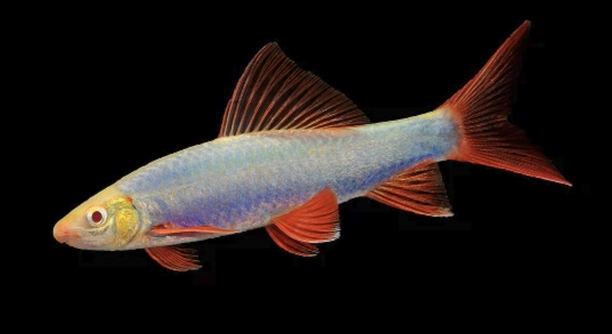
Is your rainbow shark spending most of its time hiding or swimming in the same spot every day, looking less active than usual?
Rainbow sharks can become bored if their environment lacks stimulation. To keep them engaged, provide a spacious tank, add hiding spots, vary their diet, and introduce tank-safe décor or companions. These changes can enhance their activity and overall well-being.
Creating a more enriching space can make a noticeable difference in your rainbow shark’s daily behavior and long-term health.
Add More Hiding Spots and Decorations
Rainbow sharks feel safer and more stimulated in tanks that mimic their natural environment. Adding caves, driftwood, rocks, and tunnels gives them new places to explore and claim as their own territory. These additions not only reduce stress but also keep them engaged by offering varied paths to swim through. A tank that stays the same for too long can become dull. Rearranging decorations occasionally gives your fish something fresh to inspect. Make sure each object is smooth and aquarium-safe to avoid injury. Providing shaded areas and visual breaks can also help manage aggression, especially if your shark shares its space.
Colorful plants and decorations can encourage more movement throughout the tank.
A well-decorated tank gives your rainbow shark a reason to stay active. Without stimulation, they can become listless and spend most of their time hiding. Rearranging tank elements every few weeks adds interest and helps reduce repetitive behavior.
Provide a Varied Diet
Changing up your rainbow shark’s food can keep them mentally stimulated. In the wild, they graze on a mix of algae, small insects, and plant matter. A diet of just flakes or pellets might not be enough to satisfy their instincts. Including frozen or live foods like bloodworms, daphnia, or brine shrimp can trigger natural hunting behaviors and give them something new to focus on. You can also introduce vegetable-based options like zucchini slices or blanched spinach, as these help round out their nutritional needs. Just be careful not to overfeed and always remove uneaten food to avoid water quality issues.
Feeding routines don’t need to be boring. Try rotating their meals during the week and varying the feeding time slightly to break the routine. A food clip with leafy greens can also double as a toy, giving your fish something to nibble at throughout the day. These small changes go a long way in keeping your rainbow shark active and alert.
Rotate Tank Layout Regularly
Rearranging your tank every few weeks keeps things interesting for your rainbow shark. A new layout encourages exploration and helps reduce boredom. Even small changes like moving a cave or shifting a plant can catch their attention.
Your rainbow shark becomes familiar with its surroundings over time, which can lead to predictable swimming patterns and less movement. By rotating the layout, you create new paths and hiding spots that encourage your fish to explore again. Move decorations around, switch the position of the filter or air stone, and even alternate light placement if possible. These minor adjustments help simulate the natural changes they would experience in the wild. Make sure any new arrangement still gives them enough space to swim and avoids blocking their usual territory. Keep an eye on your fish’s behavior after making changes to ensure they’re adjusting well.
Frequent layout changes can also reduce territorial aggression, especially in shared tanks. When their surroundings change, rainbow sharks are less likely to defend the same area repeatedly. This can ease tension between tank mates and lower stress for all fish in the aquarium. When done correctly, rotating the layout helps improve both their mental stimulation and their relationship with other species sharing the tank.
Introduce Tank Mates Carefully
Adding tank mates can reduce boredom, but only if done with care. Rainbow sharks are territorial and may react aggressively. Choose peaceful, fast-swimming fish that occupy different areas of the tank, like danios or rasboras.
Avoid species that look too similar to your rainbow shark or those that linger at the bottom of the tank, as this is often seen as an invasion of territory. It’s best to introduce new fish in a large tank—ideally over 55 gallons—with plenty of hiding spots and visual barriers. This setup gives everyone space and reduces the chance of conflict. Monitor the tank closely for the first few days. Aggression may not appear right away, so watch for chasing, fin-nipping, or signs of stress in the new fish. If any issues arise, be ready to separate them quickly. With the right choices and preparation, adding companions can be a good way to keep your shark more active and mentally engaged.
Add a Bubble Wand or Air Stone
A bubble wand or air stone creates movement and sound in the water that your rainbow shark can react to. The bubbling stream adds visual variety and encourages more swimming around the tank.
These tools also help improve oxygen levels, especially in tanks with limited surface agitation. More oxygen can boost activity levels and reduce sluggish behavior in your fish.
Use a Mirror Occasionally
Placing a mirror outside the tank for a few minutes can trigger natural territorial behavior in your rainbow shark. They may become more alert and active when reacting to their reflection, thinking it’s another fish in their space. This should only be done occasionally and never for long periods. Too much exposure can increase stress and lead to aggressive behavior. Use it as a brief form of enrichment, not a regular routine. Be sure to observe your fish during the interaction and remove the mirror right away if signs of distress appear. When used correctly, it can offer a quick mental boost.
Maintain a Consistent Light Cycle
Rainbow sharks are more active when their light schedule mimics a natural day and night rhythm. Aim for 10 to 12 hours of light daily using a timer. This helps regulate behavior, sleep patterns, and overall energy.
FAQ
How do I know if my rainbow shark is bored?
Boredom in rainbow sharks often shows up as repetitive swimming patterns, long periods of hiding, or a lack of interaction with their environment. If your fish used to explore but now stays in one spot or seems less active, it could be due to boredom. Some may even become more aggressive or start chasing other fish out of frustration. Watch for signs like pacing back and forth in the same area or ignoring food. These behaviors may indicate the need for more stimulation in the tank, such as rearranged décor, new hiding spots, or dietary changes.
Can rainbow sharks live with other fish?
Yes, but they must be chosen carefully. Rainbow sharks are territorial and can become aggressive if their space feels threatened. It’s best to keep them with fast, peaceful fish like barbs, danios, or rasboras that swim in the middle or upper parts of the tank. Avoid bottom dwellers or other shark-shaped fish, as these can spark territorial disputes. A large tank—preferably 55 gallons or more—with plenty of hiding spots will help reduce tension. Always monitor new additions closely for signs of aggression. If your rainbow shark shows too much hostility, you may need to separate them.
How big of a tank does a rainbow shark need?
A single rainbow shark should be kept in a tank that’s at least 50 to 55 gallons. They need space to swim and explore, plus enough room to establish their own territory. Smaller tanks can cause stress, increase aggression, and lead to poor health. A longer tank is better than a taller one because it gives them more horizontal swimming space. If you plan to add tank mates, a larger tank—closer to 75 gallons—is recommended. More space helps reduce conflicts and supports a more peaceful, enriched environment. Always ensure there are hiding spots and visual barriers to break lines of sight.
Is it okay to use live food to entertain a rainbow shark?
Live food can be a great way to stimulate natural instincts in rainbow sharks. Feeding live bloodworms, brine shrimp, or daphnia encourages hunting behavior and gives them something different to focus on. It should only be an occasional treat, not a daily routine. Too much live food can lead to imbalanced nutrition and potential health issues. Always source live food from safe, clean suppliers to avoid introducing parasites. You can also use frozen or freeze-dried versions for convenience. When used correctly, live food can be a healthy form of enrichment that supports both mental and physical activity.
What happens if I don’t provide enrichment for my rainbow shark?
Without stimulation, rainbow sharks can become bored, stressed, or even aggressive. They may pace, hide more often, or lose interest in eating. Over time, a lack of engagement can affect their overall health and behavior. You may notice them becoming more territorial, even in a tank they used to share peacefully. Enrichment doesn’t have to be complicated—simple changes like new plants, rotating décor, or occasional treats can help. By keeping their environment fresh and interesting, you support both their physical health and mental well-being. A bored fish is more likely to develop behavioral issues, while an active one thrives.
Can changing the lighting affect their behavior?
Yes, lighting plays a key role in your rainbow shark’s behavior. A consistent light schedule helps maintain their natural rhythms. If lighting is too bright, left on too long, or changed too often, it can cause stress and restlessness. On the other hand, keeping the lights off for too long can reduce their activity. Use a timer to give your fish around 10 to 12 hours of light daily, followed by darkness to allow them to rest. This cycle encourages regular movement during the day and helps them stay calmer at night, creating a more balanced and stable routine.
Final Thoughts
Keeping your rainbow shark mentally stimulated doesn’t have to be difficult. Simple changes to their tank setup, feeding routine, and environment can make a big difference in their behavior and overall health. Fish need more than just clean water and food—they need a space that encourages activity, curiosity, and calm. When a tank stays the same for too long, your rainbow shark can become bored, leading to stress or aggressive behavior. Rearranging decorations, introducing safe companions, and offering new foods are small but effective ways to improve their daily experience. These adjustments help mimic the changing conditions of their natural habitat, which supports their natural instincts and keeps them engaged.
Understanding your rainbow shark’s behavior is important for keeping them healthy and content. If you notice changes like pacing, hiding, or a lack of appetite, these may be signs that your fish needs more stimulation. Pay attention to how they react to new items in the tank, different foods, or added movement like bubbles and light. A bored fish won’t always show signs right away, so it helps to watch closely and make slow, thoughtful changes. Each rainbow shark has a slightly different temperament, so what works for one may not work for another. Being patient and observant helps you figure out what keeps your fish happy.
A well-balanced environment not only prevents boredom but also supports long-term well-being. You don’t need expensive gear or major upgrades. Most improvements can be done with items you already have or with a few budget-friendly additions. What matters most is creating variety and offering enrichment on a regular basis. A rainbow shark that is stimulated and comfortable will be more active, eat better, and interact more with its surroundings. Taking the time to provide this kind of care helps your fish live a healthier, more peaceful life. In the end, giving your rainbow shark a more interesting and supportive home is a simple but important way to show care.

Hello,
If you enjoy the content that we create, please consider saying a "Thank You!" by leaving a tip.
Every little bit helps us continue crafting quality advice that supports the health, happiness, and well-being of pets around the world, for pets of all shapes, sizes, and species.
We really appreciate the kindness and support that you show us!