
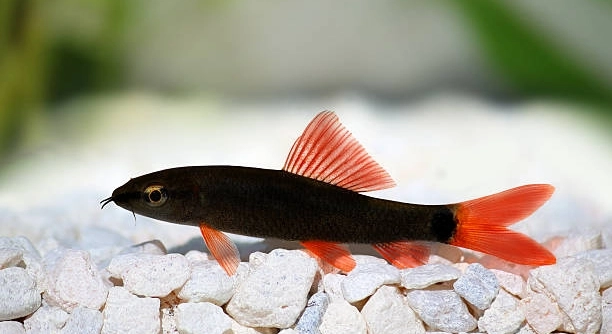
Rainbow sharks are popular freshwater fish known for their vibrant colors and lively nature. Many owners enjoy watching their activity but sometimes notice they become less playful. Understanding how to encourage more interaction can improve their well-being and tank dynamics.
To get your rainbow shark to play more, it is essential to provide a stimulating environment with proper hiding spots, varied tank decorations, and appropriate tank mates. Maintaining clean water conditions and offering a balanced diet also promotes natural behaviors and activity levels.
Increasing your rainbow shark’s playfulness starts with simple but effective changes. These tips will help create a more engaging and healthy environment for your fish to thrive.
Creating a Comfortable Environment
Rainbow sharks feel more active when their environment feels safe and familiar. Providing plenty of hiding places, such as caves, plants, and driftwood, helps reduce stress. A stressed fish will hide and stay still, so creating spaces where your shark can retreat is important. Use smooth decorations to avoid injury and keep the tank layout consistent, as frequent changes can cause anxiety. Moderate lighting also encourages natural behavior, as too bright or too dim light can affect activity levels. Keep the tank between 72 and 79 degrees Fahrenheit, which is the ideal temperature range for rainbow sharks. Regular water changes help maintain clean water, removing waste that can make fish sluggish. By ensuring the tank conditions meet these needs, your rainbow shark will feel more comfortable and willing to explore the area more often.
Creating a secure habitat with hiding spots and stable conditions encourages your rainbow shark to feel safe and play more regularly.
Setting up the tank to mimic a natural habitat promotes exploration and movement. When the environment supports your fish’s well-being, it will naturally display more playful behavior. Pay close attention to water quality and temperature, as these affect energy levels. Avoid overcrowding the tank with aggressive or overly active fish that may intimidate your rainbow shark. Introduce tank mates that are calm and compatible to reduce stress. Keep feeding times consistent and offer a mix of sinking pellets and live foods to keep your shark interested and active. By combining these elements, you provide a balanced environment that supports both physical and mental stimulation for your fish.
Encouraging Play with Interactive Feeding
Interactive feeding can stimulate your rainbow shark’s natural instincts and encourage movement. Instead of just dropping food in one spot, scatter pellets across the tank or offer live foods like bloodworms to prompt chasing and searching behavior. Feeding from different areas helps prevent boredom and keeps your fish engaged. Using feeding tongs to offer treats directly can also strengthen their curiosity and activity. Be mindful of not overfeeding, as excess food can lower water quality and make fish lethargic. Regular feeding routines create anticipation, which often leads to increased activity around mealtime. Feeding is not only about nutrition but also a way to promote natural behavior and mental stimulation.
Using varied feeding techniques helps your rainbow shark stay active and interested in its surroundings.
Interactive feeding encourages natural foraging and movement, making mealtimes more exciting. This method helps replicate how they find food in the wild and prevents inactivity caused by predictable feeding. Vary the type and location of food delivery to keep your rainbow shark alert and playful. This simple change can have a positive impact on your fish’s overall behavior and health.
Providing Adequate Space
Rainbow sharks need enough room to swim freely. A tank smaller than 30 gallons can limit their activity and cause stress. The extra space encourages exploration and reduces territorial behavior. A larger tank also helps maintain water quality.
A spacious tank supports natural movement and prevents aggression. Rainbow sharks become more active when they have room to patrol and establish territories without constant confrontation. Overcrowding creates stress, which often leads to hiding or inactivity. Make sure the tank is at least 30 gallons, but bigger is better. Adding decorations strategically can create swimming paths and open areas for your shark to move comfortably. Keeping the tank clean and well-maintained also helps your fish stay healthy and energetic. When your rainbow shark feels unrestricted, it will naturally become more playful and curious about its environment.
Extra space reduces stress and promotes regular activity. Your rainbow shark will benefit from a tank that balances room to swim with enough shelter to feel secure.
Using Compatible Tank Mates
Choosing the right tank mates is important for a rainbow shark’s comfort. Aggressive or overly active fish can cause stress and reduce your shark’s activity. Calm, medium-sized fish usually work best.
Tank mates should complement your rainbow shark’s temperament. Aggressive fish may bully or chase the shark, causing it to hide more often. Peaceful species, such as certain tetras, rasboras, or gouramis, provide company without competition. Avoid slow-moving or small fish that might be mistaken for food. Introduce new fish gradually and monitor their interactions closely. Compatibility helps reduce stress, allowing your rainbow shark to behave naturally and play more. A balanced community tank encourages healthy social behavior and enriches the environment for all fish involved. This thoughtful pairing contributes to a lively and peaceful tank atmosphere.
Maintaining Water Quality
Clean water is crucial for your rainbow shark’s health and activity. Poor water conditions can make fish lethargic and stressed. Regular water changes and proper filtration keep the environment stable and safe.
Test the water frequently to monitor ammonia, nitrite, and nitrate levels. Maintaining a balanced pH and temperature also supports your fish’s energy and behavior.
Introducing Environmental Enrichment
Adding plants, rocks, and other decorations creates interest and encourages exploration. These elements provide hiding spots and varied terrain for your rainbow shark to navigate, increasing playfulness.
Regulating Light Cycles
Consistent light cycles help maintain your rainbow shark’s natural rhythm. Aim for about 10 to 12 hours of light daily to support healthy behavior.
Monitoring Stress Levels
Watch for signs of stress, such as hiding or loss of appetite. Reducing stress is key to encouraging your rainbow shark to be more active.
How often should I feed my rainbow shark?
Feeding your rainbow shark once or twice a day is enough. Overfeeding can cause water quality problems and make your fish sluggish. Offer only what your fish can eat within a few minutes. A varied diet with sinking pellets and occasional live or frozen foods keeps them healthy and active.
What tank size is best for a rainbow shark?
A tank of at least 30 gallons is recommended for one rainbow shark. They need space to swim and establish territories. Larger tanks reduce stress and allow for more natural behavior. Crowded tanks often cause aggression or hiding.
Can rainbow sharks live with other fish?
Yes, but tank mates must be chosen carefully. Avoid aggressive or very small fish. Calm, medium-sized species like tetras, barbs, or gouramis work best. Proper tank size and hiding spots help reduce conflicts.
Why is my rainbow shark hiding all the time?
Hiding can mean stress, illness, or poor tank conditions. Check water quality, temperature, and tank mates. Ensure there are enough hiding spots but also open areas to swim. If hiding persists, consider health issues or bullying.
What temperature should I keep the tank at?
Keep the water between 72°F and 79°F. This range supports your rainbow shark’s metabolism and activity. Sudden temperature changes can cause stress or illness, so maintain stability with a reliable heater.
How can I tell if my rainbow shark is healthy?
A healthy rainbow shark is active, swims smoothly, and has bright colors. It should eat regularly and respond to feeding. Watch for signs like clamped fins, lethargy, or spots, which may indicate health problems.
Is it necessary to have plants in the tank?
Plants are beneficial but not mandatory. They provide hiding spots and help maintain water quality. Live plants offer natural cover and promote exploration, which can encourage your rainbow shark to be more active.
Can rainbow sharks jump out of the tank?
Yes, they can jump, especially if stressed or startled. Make sure your tank has a secure lid to prevent escapes. Keep water quality and tank conditions optimal to reduce stress-induced jumping.
How often should I clean the tank?
Partial water changes of 20-25% weekly are best. This keeps the water clean without disturbing beneficial bacteria. Regularly clean filters and remove uneaten food to maintain a healthy environment.
What should I do if my rainbow shark becomes aggressive?
Aggression can result from overcrowding, poor tank layout, or incompatible tank mates. Increase tank size if possible, rearrange decorations to break territories, and consider different tank mates. Separating aggressive fish may be necessary.
Do rainbow sharks need a specific diet?
Rainbow sharks are omnivores and thrive on a varied diet. Provide sinking pellets designed for bottom feeders, supplemented with live or frozen foods like bloodworms or brine shrimp. Vegetables such as blanched spinach can be offered occasionally.
How can I encourage my rainbow shark to be more active?
Provide a spacious tank with plenty of hiding spots and swimming areas. Use interactive feeding methods and maintain good water quality. Compatible tank mates and consistent light cycles also help increase activity levels.
Can rainbow sharks recognize their owners?
While they do not recognize people like mammals, rainbow sharks can become accustomed to their caretakers. They may respond to feeding routines and movements outside the tank, showing curiosity rather than direct recognition.
What are common health issues for rainbow sharks?
Common problems include fin rot, ich, and stress-related illnesses. These often result from poor water quality, overcrowding, or improper diet. Regular maintenance and observation help prevent and catch these issues early.
Are rainbow sharks territorial?
Yes, they can be territorial, especially in small tanks. Providing enough space and hiding places helps reduce aggression. Proper tank mate selection is also important to avoid conflicts.
Rainbow sharks are beautiful and active fish that bring life to any freshwater tank. Encouraging them to play more is important for their health and happiness. By creating a comfortable environment with enough space, proper hiding spots, and clean water, you give your rainbow shark the best chance to be lively and curious. A well-maintained tank that meets their needs allows them to express natural behaviors, reducing stress and increasing activity.
Feeding plays a key role in promoting playfulness. Offering a varied diet and using interactive feeding techniques helps keep your rainbow shark interested and engaged. Scattering food or using feeding tools encourages movement and stimulates their instincts. Along with feeding, selecting compatible tank mates and keeping the lighting consistent supports a balanced atmosphere in the aquarium. Stress reduction is vital to encourage your fish to explore and interact more within their habitat.
Taking the time to understand your rainbow shark’s needs improves both its quality of life and your enjoyment as an owner. Small changes in tank setup, feeding habits, and maintenance can lead to noticeable differences in behavior. These fish respond well to environments that provide security and stimulation. With proper care, your rainbow shark will remain a healthy, playful addition to your tank for years to come.

Hello,
If you enjoy the content that we create, please consider saying a "Thank You!" by leaving a tip.
Every little bit helps us continue crafting quality advice that supports the health, happiness, and well-being of pets around the world, for pets of all shapes, sizes, and species.
We really appreciate the kindness and support that you show us!