
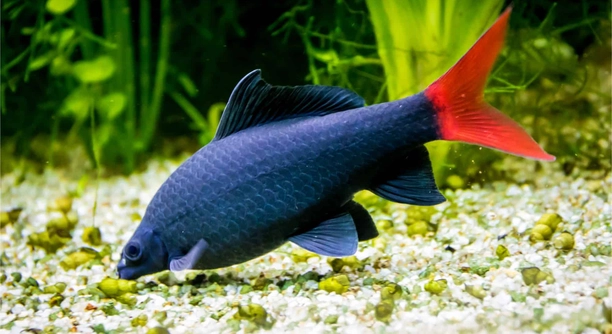
Adding a Rainbow Shark to your aquarium can bring vibrant colors and lively movement to your tank. These fish are popular among hobbyists for their striking appearance. However, it is important to understand their needs before making them part of your aquatic community.
Rainbow Sharks require specific tank conditions, including ample space, stable water parameters, and appropriate tank mates to thrive. Their territorial nature demands careful planning to avoid stress and aggression within the aquarium environment.
Knowing these key factors will help you create a healthy and balanced habitat for your Rainbow Shark, ensuring its well-being and longevity in your tank.
Tank Size and Environment
Rainbow Sharks need enough space to swim freely. A minimum tank size of 30 gallons is recommended because these fish grow up to 6 inches long. They also require hiding spots like plants or decorations to feel secure. Without enough room, Rainbow Sharks may become stressed and act aggressively. The tank should have a good filtration system to maintain clean water, as poor water quality can lead to health problems. Keeping the water temperature between 72°F and 79°F helps support their natural behavior and comfort. A well-maintained environment will reduce stress and improve the fish’s overall health. It’s important to monitor water parameters regularly and perform partial water changes weekly to keep the tank stable. Avoid overcrowding the tank, as this can increase tension among fish. Providing a suitable environment creates a balanced ecosystem where your Rainbow Shark can thrive.
Maintaining these conditions prevents illness and encourages peaceful behavior in the tank.
Taking care of the tank environment is crucial. The right size and clean water keep your Rainbow Shark healthy and reduce aggression. Providing plants or hiding places helps the fish feel secure, which lowers stress. Regular water checks and changes improve water quality, creating a stable home. Overcrowding can cause problems, so limit tank mates and avoid excess fish. Paying attention to these factors ensures your Rainbow Shark lives comfortably and shows its bright colors.
Compatibility with Other Fish
Rainbow Sharks can be territorial, especially with similar species or those occupying the same tank levels. It is important to choose tank mates that are peaceful and able to coexist. Avoid keeping multiple Rainbow Sharks together unless the tank is very large and divided. Small, slow-moving fish may become targets, so selecting compatible species is key. Suitable tank mates include larger tetras, barbs, and gouramis that share space without causing conflict. Understanding social behavior helps reduce fighting and stress in the aquarium.
Choosing the right tank mates reduces stress and keeps harmony.
To maintain peace in your tank, carefully select fish that match the Rainbow Shark’s temperament. Aggressive or similarly territorial species can cause ongoing conflicts. Provide plenty of hiding spots to give all fish places to retreat. Observing interactions between fish after introduction can help catch problems early. Adjusting the setup if needed will promote a stable community. A balanced mix ensures all fish can live without constant competition or harm. This approach benefits the health and happiness of your entire tank.
Feeding Requirements
Rainbow Sharks are omnivores and need a balanced diet. They eat flakes, pellets, and live or frozen foods like bloodworms or brine shrimp. Feeding twice a day in small amounts prevents overfeeding and keeps the tank clean.
Providing a varied diet is essential for their health. High-quality sinking pellets form a good base since Rainbow Sharks feed near the bottom. Supplementing with live or frozen foods boosts nutrition and encourages natural hunting behaviors. Vegetables like blanched zucchini or spinach can also be offered occasionally to add fiber and variety. Avoid overfeeding, as excess food can pollute the tank and cause digestive problems. Observing your Rainbow Shark during feeding helps ensure they get enough nutrition without leftovers.
It’s important to maintain consistent feeding times and avoid sudden diet changes. A balanced diet supports growth, vibrant colors, and overall well-being, making your Rainbow Shark more active and less prone to disease.
Behavior and Temperament
Rainbow Sharks are generally peaceful but become territorial, especially as they mature. They defend their space by chasing other fish but usually avoid serious harm. Aggression is most common toward similar species or in overcrowded tanks.
Their behavior changes depending on tank size and companions. In larger tanks, aggression decreases because there is more room to establish territory. Providing hiding places reduces conflict by allowing fish to escape and settle down. Rainbow Sharks are more active during the day and may rest at night near shelters. Regular observation helps spot early signs of stress or bullying. Adjusting tank layout or fish combinations can improve harmony. Proper care and environment management ensure Rainbow Sharks remain interesting and enjoyable pets without constant fighting.
Water Parameters
Rainbow Sharks thrive in water with a pH between 6.5 and 7.5. They prefer a temperature range of 72°F to 79°F. Keeping these conditions stable is essential for their health.
Regular water testing helps detect changes early. Sudden shifts in pH or temperature can stress the fish and lead to illness.
Disease Prevention
Maintaining clean water is the best way to prevent disease in Rainbow Sharks. Regular tank maintenance, including water changes and filter cleaning, reduces harmful bacteria and toxins.
Providing a stress-free environment and a balanced diet also supports their immune system. Quarantining new fish before adding them to the tank helps avoid spreading illness.
Breeding Challenges
Breeding Rainbow Sharks in home aquariums is difficult due to their territorial nature. They require a large, well-planted tank with plenty of hiding spaces to reduce aggression during spawning.
Tank Setup Essentials
A sandy or smooth gravel substrate is best to protect the Rainbow Shark’s sensitive barbels. Avoid sharp decorations that could cause injury.
FAQ
How big do Rainbow Sharks grow?
Rainbow Sharks can grow up to 6 inches in length when fully mature. Their size requires at least a 30-gallon tank to provide enough swimming space and reduce territorial aggression. Proper tank size helps maintain their health and natural behavior.
Are Rainbow Sharks aggressive?
Rainbow Sharks show territorial behavior, especially as they get older. They may chase or nip at other fish, mainly those of similar size or appearance. Aggression is usually limited if the tank is spacious and has plenty of hiding spots.
Can Rainbow Sharks live with other fish?
Yes, Rainbow Sharks can live with peaceful, larger fish that occupy different tank levels. Avoid keeping multiple Rainbow Sharks in small tanks, as this increases aggression. Suitable tank mates include barbs, gouramis, and larger tetras.
What do Rainbow Sharks eat?
They are omnivores and eat sinking pellets, flakes, and live or frozen foods like bloodworms or brine shrimp. Occasionally, vegetables like blanched zucchini or spinach are good additions. Feeding should be twice daily in small amounts.
How often should I feed my Rainbow Shark?
Feeding twice a day is ideal. Offer only what they can eat in a few minutes to prevent leftover food from polluting the tank. Consistent feeding times help maintain their routine and health.
What water conditions do Rainbow Sharks need?
Rainbow Sharks prefer water with a pH between 6.5 and 7.5 and a temperature between 72°F and 79°F. Keeping these conditions stable reduces stress and risk of disease. Regular water tests are important.
How do I prevent diseases in my Rainbow Shark?
Maintain clean water with regular changes and filter cleaning. Avoid overcrowding, provide a balanced diet, and quarantine new fish before adding them. Reducing stress and maintaining good water quality are the best prevention methods.
Can Rainbow Sharks breed in a home aquarium?
Breeding Rainbow Sharks at home is challenging due to their territorial nature. They need a large tank with many hiding spots to reduce aggression during breeding attempts. Most hobbyists do not successfully breed them without special setups.
What tank setup is best for Rainbow Sharks?
A tank with smooth gravel or sand substrate protects their sensitive barbels. Provide plenty of plants, caves, and hiding spots to reduce stress and aggression. Avoid sharp decorations that could injure them.
How do I handle aggression in my tank?
Increase tank size if possible, add more hiding places, and choose compatible tank mates. If aggression continues, consider separating aggressive individuals or rearranging the tank layout to disrupt established territories.
Why is my Rainbow Shark hiding all the time?
Hiding can indicate stress, illness, or territorial behavior. Check water quality and tank conditions. Ensure the tank is not overcrowded and there are enough hiding spots. Monitor the fish for signs of disease or bullying.
Do Rainbow Sharks need companions?
Rainbow Sharks are generally solitary but benefit from peaceful tank mates that do not compete for the same space. Avoid overcrowding to keep the environment calm and balanced.
What signs show my Rainbow Shark is healthy?
Healthy Rainbow Sharks are active, have bright colors, and regularly feed. They swim confidently around the tank and respond to feeding times. Dull colors, lethargy, or loss of appetite may indicate health issues.
Can Rainbow Sharks live in a planted tank?
Yes, they do well in planted tanks. Plants provide hiding places and help improve water quality. Choose hardy plants that can tolerate occasional nibbling or digging from the Rainbow Shark.
Final Thoughts
Adding a Rainbow Shark to your aquarium can bring vibrant colors and interesting behavior to your tank. These fish are active swimmers and display a striking appearance that many fishkeepers enjoy. However, they are not suited for every aquarium. Their territorial nature means they require careful planning when it comes to tank size, tank mates, and environment setup. Understanding their needs is essential to keeping them healthy and reducing stress or aggression in the tank.
Maintaining the right water parameters and a clean environment is crucial for the well-being of Rainbow Sharks. They need stable water conditions with proper pH and temperature ranges. Regular water changes and filtration help keep the water quality high, which prevents many common health problems. Feeding a balanced diet that includes pellets, flakes, and occasional live or frozen foods supports their nutritional needs. Offering a variety of foods also keeps them active and healthy. Overfeeding or poor water quality can quickly lead to illness, so consistency in care is important.
It is also important to choose compatible tank mates and provide enough hiding spots in the aquarium. Rainbow Sharks do best with peaceful fish that live in different parts of the tank. Overcrowding can increase aggression and stress, so the aquarium must be large enough to give everyone space. Providing plants, caves, or decorations where the Rainbow Shark and other fish can retreat helps create a balanced environment. With proper care and attention, Rainbow Sharks can live long and healthy lives, adding beauty and activity to your aquatic setup.

Hello,
If you enjoy the content that we create, please consider saying a "Thank You!" by leaving a tip.
Every little bit helps us continue crafting quality advice that supports the health, happiness, and well-being of pets around the world, for pets of all shapes, sizes, and species.
We really appreciate the kindness and support that you show us!