
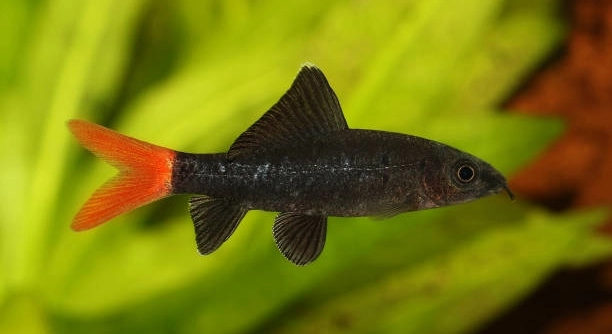
Is your rainbow shark acting calm and curious around the other fish in your tank, rather than aggressive or territorial?
A rainbow shark that is comfortable with its tankmates will show calm swimming patterns, minimal chasing behavior, healthy appetite, and balanced territory sharing. These behaviors suggest reduced stress and a well-adjusted aquarium environment.
Knowing the signs of comfort can help you maintain a peaceful tank and support the health of both your rainbow shark and its companions.
1. Peaceful Swimming Behavior
A rainbow shark that feels at ease with its tankmates will swim calmly throughout the tank without showing signs of stress. It won’t dart around wildly, hide for long periods, or constantly chase other fish. You may notice it calmly gliding through the middle or lower levels of the tank, occasionally exploring its space without bothering others. This relaxed movement is a strong indication that it’s not feeling threatened or territorial. Rainbow sharks are naturally semi-aggressive, but if they are comfortable with their tankmates, they tend to establish their space early and then settle into a predictable routine.
Peaceful swimming shows that the tank environment is balanced and your rainbow shark is not feeling challenged or insecure.
A tank setup that includes hiding spots, proper tank size, and compatible tankmates supports this peaceful behavior. If your shark seems at ease and moves without panic, you’re likely providing a stress-free space that promotes healthy interactions.
2. Minimal Chasing
Occasional chasing can happen, but it should not be constant or aggressive. A shark that’s comfortable will mostly keep to itself and avoid pestering others.
Chasing that’s short and doesn’t result in injury is typically part of mild territory behavior, especially when your rainbow shark is new to the tank. Over time, this behavior should fade as the shark adjusts to its surroundings and tankmates. If it continues to be calm and limits chasing to rare moments, it’s a good sign that it recognizes and accepts the other fish in the tank. Keeping the tank stocked with enough space and hiding spots reduces competition, helping limit territorial reactions. Tankmates that stay out of its preferred zone, usually the bottom area, also contribute to this balance. A well-structured tank setup makes it easier for your rainbow shark to accept others, creating a smoother and more peaceful environment for all the fish.
3. Normal Eating Habits
A rainbow shark that eats regularly and shows interest during feeding time is usually feeling secure in its environment. If it competes calmly for food without being overly aggressive, that’s another sign it’s comfortable with the others.
Rainbow sharks that feel stressed or threatened often hide or lose interest in food. If your shark comes out at feeding time, stays active near the food area, and eats without rushing or bullying, it likely feels confident around its tankmates. Eating normally also means it’s not preoccupied with defending its space. Keep in mind that overfeeding or placing food in the wrong area can still cause tension, so try to spread food evenly throughout the tank. Tankmates that feed in different areas also help keep things calm, as it reduces food-related conflict and keeps your shark focused on its own share.
Look for signs like steady eating, no hiding, and minimal food aggression. These behaviors suggest your shark sees no threat nearby and trusts its place in the tank. A fish that stops eating or guards the food may be stressed or trying to assert dominance. Creating a routine feeding schedule helps all fish settle into predictable patterns, which lowers stress and promotes peaceful coexistence.
4. No Visible Injuries on Tankmates
If your rainbow shark is getting along with other fish, you won’t see torn fins, missing scales, or signs of stress on its tankmates. These injuries usually mean there’s been aggression or repeated chasing.
Healthy, uninjured tankmates often signal that your shark is leaving them alone and respecting boundaries.
5. Willingness to Share Space
A comfortable rainbow shark will occasionally share open areas or even resting spots without acting territorial. While it still prefers its own space, it doesn’t attack or chase when another fish passes nearby. This relaxed behavior suggests it doesn’t view the others as a threat. A peaceful tank layout helps maintain this balance by giving enough space for all fish to move freely. Decorations, plants, and hiding spots help reduce competition and lower stress. If your shark seems calm when others swim close, it’s likely accepting them as part of its environment, which is a strong sign of tankmate compatibility.
6. Exploring the Tank
Exploration is a natural sign of comfort. A rainbow shark that swims around the tank, checks out decorations, or explores corners without acting skittish is usually feeling confident.
How can I tell if my rainbow shark is stressed?
A stressed rainbow shark often hides more than usual, swims erratically, or loses interest in food. It may chase tankmates aggressively or display faded colors. Stress signs include rapid gill movement and staying in one spot for long periods. Stress can be caused by poor water quality, overcrowding, or incompatible tankmates.
What tankmates are best for a rainbow shark?
Ideal tankmates are peaceful, fast-swimming fish that occupy different parts of the tank. Avoid slow or small fish that can become targets. Good companions include danios, barbs, and larger tetras. Avoid other bottom dwellers competing for the same territory to prevent fights. Proper tank size and hiding spots reduce stress and promote harmony.
How big should my tank be for a rainbow shark?
A minimum of 30 gallons is recommended for one rainbow shark. Larger tanks are better if you want to keep multiple fish or other species. This size provides enough swimming space and territory, reducing aggressive behavior and stress. Proper filtration and regular maintenance are essential for healthy water conditions.
Why does my rainbow shark chase other fish?
Chasing is often territorial behavior, especially in smaller tanks or if there are too few hiding spots. It can also occur if the shark feels threatened or insecure. To reduce chasing, increase tank size, add decorations for cover, and choose compatible tankmates. Frequent chasing signals discomfort and needs attention.
Can rainbow sharks live peacefully with other bottom dwellers?
Usually, no. Rainbow sharks compete for the same territory and space at the bottom of the tank, which leads to conflicts. It’s better to keep them with fish that swim in other tank areas. If multiple bottom dwellers are kept, the tank must be large with many hiding places to reduce aggression.
How often should I feed my rainbow shark?
Feed your rainbow shark once or twice a day with high-quality sinking pellets, flakes, or live foods like bloodworms. Avoid overfeeding as it can pollute the tank and cause health problems. Observe how much your fish eats within a few minutes and adjust portions accordingly.
What water conditions do rainbow sharks need?
Rainbow sharks prefer water temperatures between 72°F and 79°F, a pH level of 6.5 to 7.5, and moderate hardness. Stable water parameters with good filtration are vital. Regular water changes, about 20-30% weekly, help maintain a clean and healthy environment.
How do I reduce aggression in my rainbow shark?
Provide a large tank with plenty of hiding spots and plants. Choose peaceful tankmates and avoid overcrowding. Feeding on time and keeping water conditions stable reduces stress and aggression. If aggression continues, consider separating the shark temporarily or permanently.
Can rainbow sharks recognize their owners?
Rainbow sharks may learn to recognize feeding routines and approach when they see their owner, but they don’t bond like some other fish species. Their behavior is mostly driven by hunger and environmental cues rather than social recognition.
What are signs that my rainbow shark is healthy?
Healthy rainbow sharks have vibrant colors, clear eyes, smooth scales, and active swimming habits. They respond to feeding, explore the tank confidently, and show little aggression when comfortable. Any sudden change in behavior, appetite, or appearance may indicate illness or stress.
Is it okay to keep multiple rainbow sharks together?
Multiple rainbow sharks can be kept in a very large tank with plenty of space and hiding areas, but it is generally not recommended. They are territorial and may fight if space is limited. Introducing them at the same time and ensuring enough room can help reduce conflicts, but risks remain.
What should I do if my rainbow shark is bullying other fish?
First, assess the tank size and layout to ensure enough space and hiding spots. Consider rearranging decorations to disrupt established territories. Feeding more frequently and choosing more robust tankmates can help. If bullying continues, separating the shark might be necessary to protect other fish.
When keeping a rainbow shark in a community tank, understanding its behavior is very important. Rainbow sharks are known for being semi-aggressive and territorial, but they can live peacefully with the right tankmates and environment. Observing their actions and reactions helps to know if they feel comfortable. Calm swimming, normal eating habits, and limited chasing are good signs. When these fish show stress or aggression, it usually means something in their environment needs attention, such as tank size, water quality, or tankmate compatibility.
Creating a balanced aquarium takes time and care. Providing enough space and hiding places helps reduce competition and stress among the fish. Choosing tankmates that swim in different areas of the tank and are not too small or slow can prevent conflicts. Regular feeding with proper portions and maintaining clean water also supports a peaceful tank. When all these factors come together, your rainbow shark will feel secure and behave more calmly. This makes the tank a better place for all the fish and reduces the chances of injury or illness.
Patience is key when working with rainbow sharks and their tankmates. They may take time to adjust and settle into the tank environment. Monitoring their behavior closely and making changes when needed will improve their comfort and health. Over time, you will learn to recognize the signs that your rainbow shark is happy and well-adjusted. Keeping these fish healthy and peaceful requires effort, but it is rewarding to see them thrive in a calm community setting.

Hello,
If you enjoy the content that we create, please consider saying a "Thank You!" by leaving a tip.
Every little bit helps us continue crafting quality advice that supports the health, happiness, and well-being of pets around the world, for pets of all shapes, sizes, and species.
We really appreciate the kindness and support that you show us!