
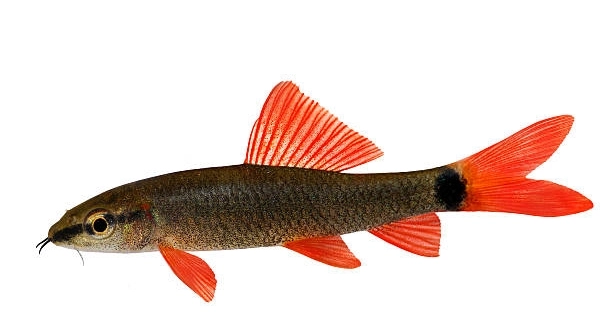
Rainbow sharks are popular freshwater fish known for their striking appearance and active behavior. Many owners notice their rainbow shark’s tail can get damaged over time, which affects both health and aesthetics. Understanding the causes helps keep these fish healthy and vibrant.
Tail damage in rainbow sharks is primarily caused by poor water quality, aggressive tank mates, nutritional deficiencies, physical injuries, infections, stress, and inadequate tank conditions. Addressing these factors with proper care and maintenance can effectively prevent and repair tail damage.
Knowing the reasons behind tail damage can help you take the right steps to protect your fish. This article explains common causes and practical ways to fix tail damage in rainbow sharks.
Poor Water Quality
Poor water quality is one of the main reasons rainbow shark tails get damaged. When water parameters like ammonia, nitrites, or nitrates rise above safe levels, it can irritate the fish’s skin and fins. Dirty water also encourages bacterial and fungal growth, which can cause infections. In many cases, owners may overlook the importance of regular water changes or proper filtration. Keeping the water clean reduces stress on the fish and supports natural healing. Testing the water weekly and doing partial water changes of about 20-30% can make a big difference. Using a good filter suited for your tank size helps maintain a healthy environment, preventing the buildup of harmful substances that wear down the fish’s fins over time.
Maintaining stable water parameters with regular testing and cleaning is key to preventing tail damage in rainbow sharks.
Consistent water care not only helps keep tails intact but also supports overall fish health. Addressing water quality early can stop tail damage before it worsens, saving time and effort in treatment.
Aggressive Tank Mates
Aggressive tank mates can cause physical damage to a rainbow shark’s tail by nipping or chasing. Rainbow sharks are territorial and may become stressed when housed with fish that compete for space or food. This stress can weaken their immune system, making tail damage more likely. Some fish, such as barbs or cichlids, tend to be more aggressive and may harm the rainbow shark either directly or indirectly through constant harassment. Choosing peaceful tank mates that do not nip fins or provoke fights helps reduce the risk of injury. Providing plenty of hiding spots and visual barriers in the tank also eases tension. Monitoring fish interactions and separating aggressive individuals when necessary is important to protect your rainbow shark’s tail from repeated damage.
Nutritional Deficiencies
Poor diet can lead to weakened fins and tail damage in rainbow sharks. A lack of essential vitamins and nutrients makes their fins more prone to tearing and slow to heal.
Providing a balanced diet with high-quality pellets, supplemented with live or frozen foods like bloodworms and brine shrimp, ensures they get the nutrients needed for healthy fin growth. Avoid overfeeding, as uneaten food can foul the water and cause additional stress. Including foods rich in vitamins A and C supports tissue repair and strengthens the immune system. Regularly varying the diet helps prevent deficiencies that contribute to tail damage and overall poor health.
A nutritious diet combined with good water conditions improves the fish’s ability to recover from injuries and maintain a healthy tail.
Physical Injuries
Physical injuries from accidents or rough tank conditions are common causes of tail damage. Collisions with decorations or sharp objects can tear fins, especially if tank setups include jagged rocks or poorly maintained equipment. Some fish may also injure themselves by jumping or rubbing against rough surfaces.
Ensuring the tank is free of sharp edges and providing smooth decorations reduces the risk of physical harm. Regularly inspecting and rearranging the tank to remove hazards helps protect the rainbow shark. If injuries occur, isolating the fish in a clean quarantine tank can promote faster healing and prevent infection. Applying mild aquarium salt treatments supports fin repair and keeps wounds clean.
Maintaining a safe environment limits accidental injuries, allowing the rainbow shark’s tail to stay healthy and intact.
Infections
Bacterial and fungal infections are common causes of tail damage in rainbow sharks. These infections often develop in damaged or weakened fins, causing further deterioration if untreated.
Maintaining good water quality and promptly treating any injuries with appropriate medications can prevent infections. Observing your fish regularly helps catch infections early.
Stress
Stress weakens a rainbow shark’s immune system, making tail damage more likely. Common stress factors include overcrowding, poor water conditions, and incompatible tank mates.
Reducing stress by improving the tank environment and ensuring peaceful community dynamics supports better health and fin regeneration.
Inadequate Tank Conditions
Inadequate tank size or poor setup affects rainbow sharks’ health and fin condition. Small tanks limit swimming space and cause stress, while improper decorations can cause injuries.
Providing a spacious tank with smooth surfaces and hiding spots creates a safe, comfortable habitat that promotes healing and prevents tail damage.
FAQ
What are the first signs of tail damage in a rainbow shark?
Early signs include frayed or torn fin edges, discoloration, and sometimes white spots or redness near the tail. The fish may also swim less actively or show signs of discomfort. Noticing these signs early can help prevent further damage and infection.
How can I improve water quality quickly to help my fish?
Perform a partial water change of 20-30% immediately, use a reliable water test kit to check ammonia, nitrite, and nitrate levels, and ensure your filter is running properly. Adding a water conditioner can neutralize chlorine and harmful substances, making the environment safer for your fish.
Can tail damage heal on its own?
Yes, minor tail damage can heal naturally if the environment is clean, stress is minimized, and the fish receives proper nutrition. However, severe damage or infections require treatment to prevent worsening or permanent damage.
Should I separate my rainbow shark if its tail is damaged?
Separating the fish in a quarantine tank can help reduce stress and prevent other fish from worsening the injury. It also makes treatment easier to manage. Ensure the quarantine tank has clean water and similar conditions to the main tank.
What medications are safe for treating fin infections?
Medications containing antibacterial and antifungal properties are effective. Products with ingredients like melafix or aquarium salt can be used. Always follow dosage instructions and monitor your fish closely during treatment.
How often should I feed my rainbow shark to support fin health?
Feed small amounts 1-2 times daily, enough for the fish to consume in a few minutes. Overfeeding can harm water quality, which negatively affects fin health. Balanced nutrition is key, so include varied foods like pellets and occasional live or frozen treats.
Can tank decorations cause tail damage?
Yes, sharp or rough decorations can tear fins, especially if the fish swims quickly or gets startled. Smooth surfaces and rounded objects reduce injury risk. Regularly inspect decorations for damage or rough edges.
What tank size is best for rainbow sharks to prevent stress and injury?
A minimum of 30 gallons is recommended to provide enough swimming space and reduce territorial stress. Larger tanks help maintain stable water conditions and reduce aggression from cramped spaces.
How can I reduce aggression from tank mates?
Choose peaceful species that do not nip fins or compete aggressively. Adding plants, rocks, or hiding spots helps fish avoid conflicts. If aggression persists, consider separating aggressive individuals to protect your rainbow shark.
Is aquarium salt helpful for fin repair?
Yes, aquarium salt can promote healing and reduce the risk of infection when used correctly. Use the recommended amount for freshwater tanks and avoid overdosing, as excessive salt can stress freshwater fish.
How long does it take for a damaged tail to fully heal?
Healing time depends on the severity of damage and tank conditions. Minor tears may heal in a few weeks, while severe injuries or infections can take longer. Consistent care speeds recovery.
Can stress cause tail rot in rainbow sharks?
Stress weakens the immune system, making fish more susceptible to infections like tail rot. Reducing stress through proper tank management is essential to prevent such conditions.
What should I do if the tail damage gets worse despite treatment?
Reassess water quality, tank mates, and nutrition. Consider consulting a fish specialist or veterinarian for advanced treatment options. Persistent damage may indicate an underlying problem that needs addressing.
Are there any natural remedies for fin damage?
Maintaining clean water, good nutrition, and low stress are the best natural methods. Some hobbyists use mild aquarium salt baths to aid healing, but always avoid unproven or harsh remedies that could harm the fish.
How often should I test my aquarium water to prevent tail damage?
Weekly testing of ammonia, nitrite, nitrate, and pH levels is recommended. Regular monitoring helps catch issues early and keeps the environment safe for your rainbow shark.
These answers cover common concerns about rainbow shark tail damage and offer practical solutions to help keep your fish healthy. Proper care and observation are essential in preventing and repairing tail injuries effectively.
Rainbow sharks are beautiful and active fish that need careful care to stay healthy. Tail damage is a common issue that can affect their appearance and overall well-being. Many factors cause tail damage, including poor water quality, aggressive tank mates, nutritional problems, injuries, infections, stress, and inadequate tank conditions. Understanding these causes is important to prevent damage and help your fish heal if their tail becomes damaged.
Taking care of water quality is one of the most effective ways to protect your rainbow shark’s tail. Regular water testing and partial water changes keep harmful chemicals and waste under control. A good filtration system is also important for maintaining a clean and healthy environment. Choosing peaceful tank mates and providing enough space help reduce stress and physical harm. Feeding a balanced diet with proper nutrients supports the fish’s immune system and helps damaged fins grow back stronger.
When damage does occur, quick action is necessary. Removing any sharp decorations and treating infections early can stop the problem from getting worse. Sometimes, separating the fish in a quarantine tank helps reduce stress and speeds up healing. Healing takes time, but with the right care, most tail damage can be repaired. Keeping the tank clean and maintaining a stable environment prevents future problems and helps your rainbow shark live a long, healthy life.

Hello,
If you enjoy the content that we create, please consider saying a "Thank You!" by leaving a tip.
Every little bit helps us continue crafting quality advice that supports the health, happiness, and well-being of pets around the world, for pets of all shapes, sizes, and species.
We really appreciate the kindness and support that you show us!