
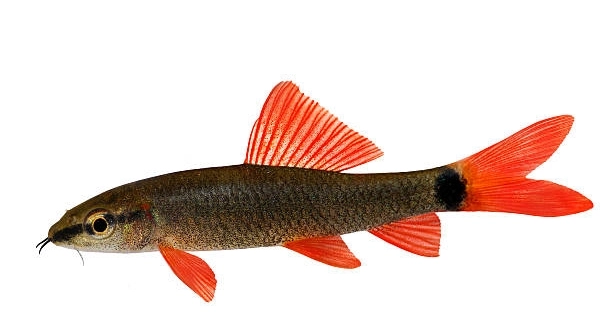
Is your rainbow shark acting aggressive or constantly chasing other fish in the tank, making you feel unsure of what to do next?
Rainbow shark behavior issues are typically caused by territorial instincts, tank size limitations, or incompatible tank mates. Adjusting the environment, providing hiding spots, and monitoring social dynamics can significantly reduce stress and aggression in these fish.
Understanding these fixes will help you create a peaceful aquarium and support your rainbow shark’s well-being in the long run.
Provide a Larger Tank
Rainbow sharks need space to swim and establish their territory. A tank that’s too small can increase aggression and make the fish feel constantly stressed. A 55-gallon tank is usually the minimum size recommended for a single rainbow shark. This gives them enough room to patrol without feeling cramped or defensive. Larger tanks also help distribute resources like hiding spaces and oxygen, reducing direct confrontations with other fish. If your rainbow shark chases or harasses others, upgrading your tank size may ease these issues quickly. The extra space helps establish clear territories and supports healthier behavior overall.
A tank that’s too small makes rainbow sharks feel threatened, which leads to unwanted aggression.
When upgrading, avoid overdecorating with bulky items that take away swim space. Stick to long tanks with more horizontal room. Choose smooth gravel and safe decor to prevent injury during fast swimming. Monitor your fish closely for the first few weeks after the upgrade. They may need time to adjust. Keep lighting moderate and maintain consistent water quality to reduce any extra stress. This simple upgrade often solves behavior issues without needing more drastic changes. If aggression continues even in a larger tank, consider adjusting the number or type of tank mates and adding visual barriers.
Add Hiding Spots and Barriers
Rainbow sharks feel safer when they can retreat.
Use plants, driftwood, and rocks to create line-of-sight breaks. This makes the tank feel less open and helps separate territories. If your shark can’t see other fish all the time, it’s less likely to feel threatened or become aggressive. Each fish should have a clear space to call its own. A few large caves or tunnels give your rainbow shark a spot to hide and rest. These spots also benefit other fish, giving everyone some privacy. Spread these hiding places across the tank so there’s no competition over a single area. Plants—real or artificial—also create natural boundaries that support a peaceful tank environment. This simple setup can go a long way in reducing chasing and stress-related behavior in rainbow sharks.
Avoid Keeping Multiple Rainbow Sharks
Keeping more than one rainbow shark in the same tank usually leads to conflict. These fish are highly territorial and often react aggressively toward others of their kind, especially in confined spaces without clear boundaries or escape routes. One rainbow shark per tank is the safest option.
If you try to keep multiple rainbow sharks, even in a large tank, you may notice constant chasing, fin damage, or stress in all fish involved. This behavior often doesn’t stop, even with added hiding spots or distractions. The dominant shark will continue to claim territory, leaving others anxious and unhealthy. Unless you’re working with a very large, heavily decorated tank and have experience with managing semi-aggressive species, it’s best to stick with one rainbow shark. This allows the fish to thrive without feeling the need to defend itself constantly, and it also promotes a calmer tank atmosphere for other fish.
Aggression isn’t always instant—it can show up days or even weeks after adding the second shark. Fish that seemed fine at first may suddenly begin to fight. This is why long-term observation is important. Many people believe tank size alone can solve the issue, but rainbow sharks often fight even in 100-gallon tanks. Unless you’re breeding or have expert-level experience with territorial fish, it’s rarely worth the risk. Sticking with a single rainbow shark ensures less stress and more stable tank dynamics for everyone involved.
Choose Compatible Tank Mates
Rainbow sharks don’t get along with slow, timid fish.
Pick active, similarly-sized species that can handle themselves without being aggressive. Fish like barbs, danios, or certain types of loaches often work well. Avoid species with long fins or peaceful fish that won’t fight back—this will only increase tension and stress.
Compatibility matters more than just size. Rainbow sharks do best with fish that occupy different levels of the tank. Choose top or mid-level swimmers to reduce direct contact. Fish that stay in schools also tend to be left alone more often. Avoid bottom dwellers that compete for territory. Research each fish’s behavior before adding it to your tank. If a tank mate is constantly being chased or hides all the time, it’s a sign they’re not a good match. You want movement in the tank, but not chaos. A balanced mix of active, fast-moving fish helps keep your rainbow shark focused and less territorial.
Maintain Stable Water Conditions
Poor water quality causes stress, which can make rainbow sharks more aggressive. Ammonia and nitrate spikes often lead to erratic behavior. Keep the water clean with weekly water changes and test it regularly to stay ahead of any problems.
Use a reliable filter and avoid sudden temperature shifts. Rainbow sharks prefer water temperatures between 72°F and 80°F. Consistent conditions help them feel secure. When their environment is stable, they are less likely to act out or become territorial with other fish.
Feed a Balanced Diet
Rainbow sharks need a mix of high-quality pellets, algae wafers, and occasional frozen or live food. A poor diet can lead to frustration, hyperactivity, or territorial behavior. Feed them once or twice a day in small portions they can finish within two minutes. Avoid overfeeding. Uneaten food affects water quality, which increases stress. Offer a variety of food types throughout the week to meet their nutritional needs. Feeding at the same time daily also helps create a routine. A well-fed rainbow shark is usually calmer, healthier, and less likely to chase or bully other fish unnecessarily.
Limit Reflections in the Tank
Bright lighting or uncovered glass can create reflections that stress your rainbow shark.
Use background paper or plants to reduce visible reflections. This keeps the shark from thinking another fish is invading its space.
FAQ
Why is my rainbow shark chasing other fish?
Rainbow sharks chase other fish mainly because they are territorial. This behavior is more common in smaller tanks or when there are few hiding spots. They see other fish as intruders, especially if those fish are bottom dwellers or look similar in shape. Even active mid-level swimmers can be targeted if the shark feels cramped. Chasing can also increase if the rainbow shark feels stressed or threatened, so check your tank setup and water conditions. Adding line-of-sight breaks and ensuring enough space usually helps reduce this aggressive behavior.
Can rainbow sharks live with other bottom dwellers?
It’s risky. Rainbow sharks often see bottom dwellers as competition for territory. Fish like plecos or corydoras may be harassed, especially if the tank is small or lacks hiding places. If you want to try it, use a large tank with lots of caves and plants to break up the space. Even then, monitor the tank closely. Some rainbow sharks are more tolerant than others, but it’s always a gamble. When in doubt, avoid mixing them with bottom-dwelling species that can’t defend themselves or get away quickly.
Do rainbow sharks get less aggressive with age?
Not usually. In many cases, aggression becomes more predictable but not less intense. Young rainbow sharks may be shy or only mildly territorial, but as they grow, they become more confident and assertive about their space. A mature rainbow shark that feels secure in its tank might settle down slightly, but if the setup doesn’t meet its needs, aggressive behavior can continue or even get worse. Providing proper space and compatible tank mates is still essential, no matter the age of the fish.
How do I know if my rainbow shark is stressed?
Watch for changes in behavior. A stressed rainbow shark might hide constantly, breathe heavily, or become more aggressive than usual. Sudden darting around the tank, faded color, or loss of appetite are also signs. Poor water quality, tank size, or incompatible fish can all cause stress. Use a test kit to check for ammonia, nitrites, and nitrates. Keep the water temperature stable and make sure the filter is working properly. Reducing noise around the tank and using a background can also help calm a stressed shark.
What size tank is best for one rainbow shark?
A 55-gallon tank is the minimum recommended size. This gives the rainbow shark enough room to claim its own space without feeling constantly threatened. Smaller tanks make them more territorial and reactive. A long tank with horizontal space is better than a tall one. The extra room also helps other fish stay out of the rainbow shark’s territory. If you want to add tank mates, consider going even larger. More space makes it easier to keep aggression under control and lets all the fish thrive.
Is it safe to keep a rainbow shark with guppies or tetras?
Usually not. Guppies and tetras are small and often too peaceful to handle the shark’s aggressive behavior. They may be chased or even injured, especially if they swim into the shark’s area near the bottom. Even fast fish can become targets over time. While a heavily planted and spacious tank can lower the risk, it’s generally safer to avoid pairing rainbow sharks with delicate species. Stick to more active, mid-sized fish that are quick and confident enough to hold their own without causing problems.
Can lighting affect rainbow shark behavior?
Yes. Too much light or reflections from glass can cause stress. If a rainbow shark sees its reflection, it may think there’s another shark in the tank and act aggressively. This is especially common in tanks with clear glass and no background. Reduce reflections by adding a background or placing the tank away from direct light. You can also use floating plants to soften the lighting. Keeping a consistent light schedule—about 8–10 hours per day—helps establish a routine and reduces stress-related behavior.
Do rainbow sharks need a lot of hiding spots?
Yes. Hiding spots help rainbow sharks feel secure. Caves, tunnels, driftwood, and dense plants provide places to retreat and reduce constant exposure to other fish. This can greatly reduce aggressive behavior. Without these spaces, your shark may feel exposed and become more territorial. Spread out the hiding spots around the tank so no single area becomes too crowded. Even confident fish benefit from having places to rest. It also helps break up the space and limit visual contact between fish, which keeps tension down.
What should I feed my rainbow shark to keep it healthy?
Rainbow sharks are omnivores and need variety. A mix of sinking pellets, algae wafers, and occasional protein-rich foods like bloodworms or brine shrimp works best. Offer fresh vegetables like zucchini slices or blanched spinach a couple of times a week. Avoid feeding too much at once—leftover food can ruin water quality. Feed small amounts once or twice a day. Giving your rainbow shark a balanced diet helps prevent aggression caused by frustration or poor health. A healthy fish is usually a calmer fish.
Final Thoughts
Rainbow shark behavior can feel overwhelming at first, especially when signs of stress or aggression begin to appear. These fish are bold, active, and territorial by nature, which means they need a specific kind of setup to stay calm and healthy. Many issues can be avoided by giving your rainbow shark enough space, choosing the right tank mates, and keeping the environment balanced. Even small changes like adding more hiding spots or improving water conditions can make a noticeable difference. The key is to create a tank where your shark doesn’t feel threatened or overcrowded.
Watching a rainbow shark explore, swim confidently, and interact peacefully with other fish can be a rewarding part of fishkeeping. But this only happens when their needs are fully met. Most behavioral issues are a result of stress—either from a small tank, poor water quality, or the wrong mix of fish. Instead of trying to stop the behavior after it starts, it’s better to build a setup that prevents those triggers in the first place. Take time to plan your tank layout, stock wisely, and pay attention to how your fish respond to changes. The more stable and well-matched your tank is, the more relaxed your rainbow shark will become.
Consistency is important. Stick to a routine for feeding, lighting, and water maintenance. A calm and predictable environment helps your rainbow shark feel secure. If you notice signs of stress or aggression, act early. Whether it’s rearranging the tank or changing up tank mates, small adjustments can go a long way. And remember—not all rainbow sharks behave exactly the same. Some may be more aggressive than others, even with perfect care. Be prepared to observe and respond to their unique needs. With patience and the right setup, rainbow sharks can thrive and become a striking, stable part of your tank community.

Hello,
If you enjoy the content that we create, please consider saying a "Thank You!" by leaving a tip.
Every little bit helps us continue crafting quality advice that supports the health, happiness, and well-being of pets around the world, for pets of all shapes, sizes, and species.
We really appreciate the kindness and support that you show us!