
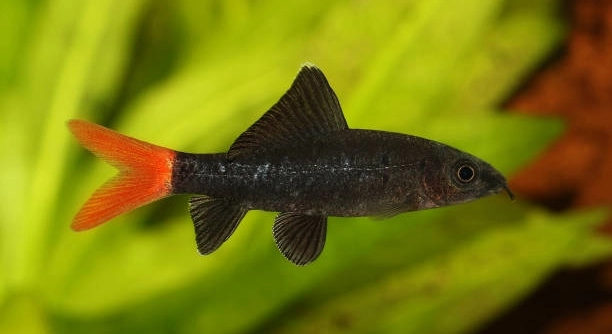
Is your rainbow shark acting a little different lately, making you wonder if something might be off in your tank setup?
The most reliable way to spot stress in your rainbow shark is by observing changes in behavior, such as hiding more often, chasing other fish aggressively, or refusing food. These signs typically reflect environmental or health-related stress.
Learning how to spot these signs early can help prevent long-term issues and keep your rainbow shark healthy and comfortable in its tank.
1. Unusual Hiding or Isolation
Rainbow sharks are territorial by nature, but if yours is hiding more than usual or completely avoiding other fish, it could be a sign of stress. This behavior often means they’re not feeling secure in their space. Stress might come from changes in water quality, tank mates, or lack of proper hiding spots. A healthy rainbow shark will patrol its territory confidently, but if it’s suddenly spending all day in a corner or inside a decoration, it’s time to take a closer look at its environment. Make sure the tank has enough room and structure for your fish to feel safe. Providing driftwood, caves, or plants can offer places to retreat without causing distress. Always check your water parameters—high ammonia or nitrate levels can quickly create discomfort and lead to stress. Watch for this sign early to keep things under control before health problems start to develop.
This behavior shouldn’t be ignored, especially if it lasts more than a day or two.
Even confident fish need safe zones. When your rainbow shark starts hiding too much, it’s often asking for space or better water quality. Take this as an early clue that something isn’t quite right in the tank.
2. Aggressive Chasing
While rainbow sharks can be territorial, constant chasing of tank mates is not normal behavior. This could indicate that your fish is feeling stressed or threatened by overcrowding, limited territory, or improper tank setup.
Chronic aggression in rainbow sharks is often triggered by tank size or incompatible tank mates. A tank that’s too small can make your shark feel cornered, and it might lash out more often. Similarly, if there are other bottom dwellers or fish that swim in the same areas, your rainbow shark might feel like it’s under constant competition. Stress increases when there’s not enough space to retreat or establish clear boundaries. This stress doesn’t just affect the rainbow shark—it also puts other fish at risk. Rearranging tank decorations can sometimes reset territorial boundaries. You can also consider adding tall plants or hiding spots to break lines of sight and reduce tension. Avoid adding other aggressive species or those that look too similar to the rainbow shark. Watching for patterns in behavior helps you figure out what’s causing the stress and what adjustments can ease it. A calmer tank setup usually leads to healthier fish.
3. Loss of Appetite
A rainbow shark that stops eating may be overwhelmed by stress. This can be caused by sudden changes in the tank, poor water conditions, or competition during feeding time. It’s important to act quickly when appetite changes.
Sometimes, a stressed rainbow shark won’t swim up for food or may spit it out shortly after trying to eat. This is not normal and should be taken seriously. Make sure there haven’t been any recent changes in lighting, water temperature, or pH levels. Overcrowding can also lead to feeding stress, especially if more dominant fish take over during meal times. Try feeding when the tank is quiet and reduce light if needed. Providing sinking pellets can also help make feeding easier for bottom dwellers. A rainbow shark that’s not eating may also be dealing with illness, so observe closely for other signs like clamped fins or odd swimming.
Once your rainbow shark starts eating again, keep track of its behavior and overall condition. Appetite loss is one of the earliest indicators that something is off. Stay consistent with water changes, avoid overfeeding, and try to maintain a calm environment. These small changes can make feeding time easier and help reduce overall stress in the tank.
4. Faded Coloration
Rainbow sharks are known for their bold, rich colors. When stress kicks in, their body may lose vibrancy. A pale or dull appearance is one of the most visible signs that your fish isn’t feeling well.
Color loss in rainbow sharks is often linked to environmental discomfort. Poor water quality, high nitrate levels, or unstable temperatures can all lead to faded colors. Stress caused by aggression or lack of hiding places may also affect pigmentation. If you notice this, check your water parameters and test for ammonia, nitrites, and pH imbalance. Small changes, like switching off bright tank lights earlier in the day or adjusting your cleaning routine, may help. Offer a consistent day-night cycle and don’t overcrowd the tank. Giving your fish a calm, stable space to live in makes a big difference. Coloration will usually return once the stressor is removed and conditions improve.
5. Erratic Swimming
Erratic swimming can mean your rainbow shark is reacting to stress in the water. This includes darting quickly, crashing into tank walls, or swimming in tight circles. It’s often a sign that something feels wrong in the tank environment.
This behavior can also come from exposure to toxins like chlorine or ammonia. If you see unusual swimming, test the water immediately and perform a partial water change. Make sure the filter is working well and that the temperature is stable. Keeping things consistent helps your fish feel more secure and less anxious.
6. Gasping at the Surface
Gasping for air at the surface usually points to poor oxygen levels or high toxin buildup. It often means your rainbow shark is uncomfortable and struggling to breathe. This can happen in tanks with low circulation or where water hasn’t been changed in a while.
To fix this, check your oxygen levels and make sure your tank has enough water movement. Adding an air stone or adjusting the filter’s outflow can improve oxygen exchange. Avoid overstocking the tank, and keep up with regular cleaning. Poor aeration and buildup of waste can create a stressful, unsafe environment that affects your fish’s health.
7. Clamped Fins
Clamped fins—when your fish holds its fins tightly against its body—often show that something isn’t right. It can be a reaction to stress, illness, or poor water conditions. Keep an eye out for this subtle but important sign.
FAQ
Why is my rainbow shark hiding all of a sudden?
Rainbow sharks tend to be territorial, but if yours is suddenly hiding more than usual, it could be reacting to stress. This may come from changes in the tank, such as new fish, sudden shifts in water temperature, or even loud sounds nearby. When their environment doesn’t feel secure, they’ll retreat to whatever space feels safest. If this behavior lasts longer than a couple of days, check for signs of bullying, poor water quality, or limited hiding spots. Providing more caves or plants can help make the tank feel safer and reduce their need to stay hidden all the time.
How can I tell if my rainbow shark is being aggressive or just playful?
Rainbow sharks are not playful with other fish. If they are chasing, nipping, or blocking off sections of the tank, it’s a sign of territorial behavior and possible stress. This aggression often worsens in smaller tanks or when kept with similar-looking fish. Watch how the other fish react—if they seem to flee or stay near the surface constantly, that’s a sign your rainbow shark is being too aggressive. Aggression doesn’t mean your shark is unhealthy, but it does suggest it’s not fully comfortable with its space or tank mates.
What’s the best tank size for a rainbow shark to reduce stress?
A minimum of 55 gallons is recommended for a single rainbow shark. These fish like to claim territory, and a tank that’s too small can lead to aggression and stress. A larger tank gives them room to explore, hide, and establish boundaries without constant conflict. If you want to keep other fish with your rainbow shark, a bigger tank is even more important. Cramped conditions lead to tension and poor health. The more room you give them, the calmer and healthier they tend to be.
Can stress in my rainbow shark lead to illness?
Yes, long-term stress weakens the immune system and makes your rainbow shark more vulnerable to disease. Common issues include fin rot, fungal infections, and ich. Stress might not cause illness directly, but it lowers the body’s ability to fight off infections. Early signs like hiding, not eating, or color fading should be addressed right away. Making adjustments to water quality, lighting, or tank setup can help restore balance and prevent illness before it takes hold.
What kind of tank mates are best to reduce stress in rainbow sharks?
Choose tank mates that are peaceful and occupy other parts of the tank. Mid-level swimmers like barbs, danios, or rainbowfish are usually good choices. Avoid bottom dwellers or other semi-aggressive fish that may compete for territory. Introducing tank mates gradually can also help ease tension. When in doubt, watch your shark’s behavior closely after adding new fish. If stress levels rise, it’s better to separate them before things get worse.
How often should I test my water to prevent stress in rainbow sharks?
Testing your water once a week is a good habit. Use a reliable water test kit to check ammonia, nitrite, nitrate, and pH levels. Sudden changes in these levels can cause stress very quickly. If your fish seems off, test right away—even if it hasn’t been a week. Stable, clean water goes a long way in preventing stress-related behavior and health issues.
Are sudden light changes stressful for rainbow sharks?
Yes, they can be. Rainbow sharks don’t react well to abrupt light changes. Try using a timer for lights to maintain a stable day-night cycle. If your tank lights are too bright or stay on for too long, that can cause discomfort. Use a dimmer setting in the evening or introduce floating plants to reduce harsh lighting. Keeping a consistent lighting routine helps them stay calm and reduces the chance of sudden stress.
Why is my rainbow shark gasping even after a water change?
If your rainbow shark is gasping after a water change, the water might not have been treated properly. Tap water contains chlorine and chloramine, which can harm fish. Make sure you use a good water conditioner before adding new water to the tank. Also, if the temperature of the new water is too different from the tank, that shock can cause stress. Always match the temperature and treat the water to make transitions smoother. Gasping is a serious sign—act quickly to improve oxygen levels and reduce stress.
Final Thoughts
Caring for a rainbow shark takes a bit of attention, but it’s not too hard once you understand what to watch for. These fish can be strong and active, but they still get stressed like any other animal. Simple things, like sudden changes in the tank or poor water quality, can cause a big shift in their behavior. If your rainbow shark is hiding, not eating, showing pale colors, or swimming in strange ways, these are often clear signs that something is off. Paying attention to these changes early on gives you a better chance to fix the issue before it turns into something more serious.
Keeping a stable environment is one of the best ways to reduce stress. That means making sure the water is clean, the temperature stays consistent, and the tank has enough space and hiding spots. A rainbow shark does best in a calm and well-balanced setup. It’s also helpful to avoid sudden changes in lighting, feeding routines, or tank mates. Even small shifts can affect how your fish feels. Testing the water weekly, cleaning the tank regularly, and feeding your fish a healthy diet are simple habits that can go a long way in keeping stress low and health high.
It’s also important to remember that every fish has its own personality. Some rainbow sharks are more territorial than others, and not all will react the same way to stress. What works for one tank setup might not work for another. Observation is key. If you spend a few minutes each day watching your fish, you’ll start to notice what’s normal and what’s not. This helps you catch problems early and adjust things as needed. Keeping your rainbow shark comfortable is not just about avoiding stress—it’s about creating a space where it can thrive. With the right care, your fish can live a long and healthy life in your tank.

Hello,
If you enjoy the content that we create, please consider saying a "Thank You!" by leaving a tip.
Every little bit helps us continue crafting quality advice that supports the health, happiness, and well-being of pets around the world, for pets of all shapes, sizes, and species.
We really appreciate the kindness and support that you show us!