
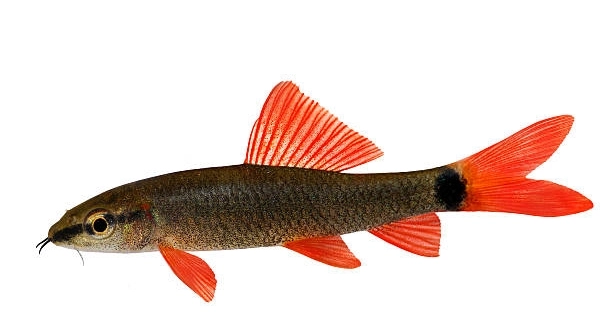
Rainbow sharks can be shy fish that need time to adjust to a new tank. Moving them to unfamiliar surroundings may cause stress and affect their health. Proper care helps them feel comfortable and thrive in their environment.
Creating a safe space for a rainbow shark involves maintaining stable water conditions, providing hiding spots, ensuring compatible tank mates, and minimizing sudden changes. These steps reduce stress and encourage natural behavior, promoting overall well-being in their new habitat.
Knowing how to help your rainbow shark settle will improve its health and happiness. This article offers clear guidance to make the transition easier and safer.
Keep Water Conditions Stable
Rainbow sharks are sensitive to changes in water quality. Maintaining stable water temperature, pH, and cleanliness is essential to help them adjust. Sudden changes can cause stress, leading to illness or hiding behavior. Use a reliable heater to keep the temperature steady between 74°F and 80°F. Test water regularly to ensure the pH stays around 6.5 to 7.5. Frequent water changes prevent toxins from building up. Avoid overcrowding the tank, as this affects water quality and increases stress. A good filter helps maintain clean water but make sure it does not create strong currents, as rainbow sharks prefer calm waters.
Constant water quality keeps your fish calm and healthy.
Providing a stable environment minimizes stress and allows your rainbow shark to explore its new home confidently. Monitoring water helps you catch problems early and create the best space for your fish.
Provide Plenty of Hiding Places
Rainbow sharks naturally seek shelter when they feel threatened. Having several hiding spots in the tank will make them feel secure and less exposed. Use decorations like caves, driftwood, or dense plants to create cozy corners. These places offer a safe retreat when your fish needs a break from tank activity. Without hiding spots, your rainbow shark may hide constantly or stay motionless, signs of stress. Avoid overcrowding the tank with too many decorations; balance hiding spots with open swimming space. Watching your fish use these shelters can also be satisfying and shows they feel safe. A well-arranged tank supports both the fish’s comfort and natural behavior.
Hiding places reduce anxiety and encourage natural activity.
Setting up effective hiding areas means thinking about your fish’s needs carefully. Choose decorations that blend well and don’t overcrowd the tank, so your rainbow shark can swim freely while having safe retreats. Proper shelter supports their sense of security and improves overall health.
Choose Compatible Tank Mates
Rainbow sharks prefer peaceful tank mates that won’t bully or compete aggressively.
Adding aggressive or overly active fish can cause stress and harm your rainbow shark. Ideal tank mates include small, non-aggressive species like tetras, gouramis, or corydoras. Avoid other bottom dwellers that compete for the same space, as rainbow sharks like to claim their own territory. Pay attention to fish size and behavior to maintain a calm environment. Keeping a balanced community helps your rainbow shark feel safe and reduces conflict.
When selecting tank mates, consider their temperament and space needs carefully. Introducing compatible fish reduces stress and promotes peaceful coexistence. Also, avoid overcrowding, which can lead to competition and poor water quality. A well-chosen group supports your rainbow shark’s comfort and health over time.
Minimize Sudden Movements and Noise
Sudden movements near the tank or loud noises can startle rainbow sharks.
These fish are sensitive to external disturbances and may hide or become stressed when startled. Try to keep activity around the tank calm and avoid tapping on the glass. Place the tank in a quiet area away from high traffic and loud appliances. Using a tank cover helps reduce external disruptions and keeps your fish feeling secure. Creating a peaceful environment minimizes stress and supports healthy behavior.
Protecting your rainbow shark from sudden disturbances means being mindful of your surroundings. This calm setting helps the fish settle and build trust in its new space. Reducing stress triggers allows your rainbow shark to swim freely and display natural behaviors more often.
Maintain Proper Feeding Schedule
Rainbow sharks thrive on a consistent feeding routine.
Feed them once or twice a day with high-quality sinking pellets or flakes. Avoid overfeeding, as leftover food can pollute the tank and harm water quality.
Use Soft Lighting
Bright or harsh lighting can stress rainbow sharks.
Soft, dim lighting mimics their natural environment and helps them feel secure. Use adjustable lights or place plants to create shaded areas in the tank. This reduces stress and encourages natural behavior.
Monitor Behavior Regularly
Watching your rainbow shark’s behavior helps catch early signs of stress or illness. Changes in activity, appetite, or color can indicate problems. Early detection allows prompt action to maintain their health and safety. Regular observation is key to providing the best care.
FAQ
How long does it take for a rainbow shark to adjust to a new tank?
Rainbow sharks usually take about two to four weeks to settle comfortably into a new tank. During this time, they may hide more and show less activity. Consistent water conditions, hiding spots, and a calm environment help speed up this adjustment period.
What is the best water temperature for a rainbow shark?
The ideal water temperature for rainbow sharks is between 74°F and 80°F. Keeping the temperature stable within this range reduces stress and supports their metabolism and immune system. Sudden temperature changes can cause illness or shock.
Can rainbow sharks live with other bottom dwellers?
It’s best to avoid keeping rainbow sharks with other bottom dwellers that share the same space. They tend to be territorial and might become aggressive toward similar species. Instead, choose peaceful mid-level or top-level swimmers that won’t compete for territory.
How often should I clean the tank?
Perform partial water changes of about 20-30% once a week to keep the tank clean. Remove uneaten food and waste regularly. Over-cleaning can disturb beneficial bacteria, so balance is important for maintaining water quality.
What should I feed a rainbow shark?
Rainbow sharks eat sinking pellets or flakes designed for omnivorous fish. Supplement their diet with occasional live or frozen foods like bloodworms or brine shrimp. Feeding twice a day in small amounts prevents overfeeding and water pollution.
Why does my rainbow shark hide all the time?
Excessive hiding often means your fish feels stressed or unsafe. Check water conditions, tank mates, and available hiding places. Sometimes, new tanks or aggressive fish nearby cause them to hide until they feel more secure.
Is it okay to keep only one rainbow shark in a tank?
Yes, rainbow sharks are territorial and often do best when kept alone or with enough space to avoid conflicts. If you want multiple rainbow sharks, provide a very large tank with plenty of hiding spots and territories.
How can I reduce stress for my rainbow shark?
Keep water conditions stable, avoid sudden movements or loud noises near the tank, provide hiding spots, and select peaceful tank mates. A calm and consistent environment helps reduce stress and supports healthy behavior.
What signs show that my rainbow shark is healthy?
A healthy rainbow shark swims actively, eats well, and has vibrant colors. It explores the tank, uses hiding spots naturally, and reacts calmly to your presence. Lack of movement, faded color, or poor appetite are warning signs.
Can rainbow sharks jump out of the tank?
Yes, rainbow sharks can jump, especially if they feel stressed or uncomfortable. Always use a secure lid or cover on your tank to prevent accidental escapes and protect your fish from injury.
How big do rainbow sharks grow?
Rainbow sharks typically grow to about 6 inches in length. They need a tank size of at least 30 gallons to have enough room to swim and establish territory comfortably.
Why is my rainbow shark chasing other fish?
Chasing can be a territorial behavior, especially if the tank is crowded or the fish are not compatible. Providing enough space and choosing peaceful tank mates helps reduce aggression. If chasing continues, consider separating the fish.
What pH level is best for rainbow sharks?
Rainbow sharks prefer a pH range between 6.5 and 7.5. Keeping the pH stable within this range prevents stress and health problems. Regular testing and adjustments ensure the water stays within this safe zone.
Can rainbow sharks live in a planted tank?
Yes, rainbow sharks do well in planted tanks. Plants provide hiding spots and help improve water quality. Choose hardy plants that can withstand occasional digging, as rainbow sharks sometimes move substrate.
How do I know if my rainbow shark is stressed?
Signs of stress include hiding excessively, loss of appetite, faded colors, erratic swimming, or staying still at the bottom. Identifying and addressing stress sources quickly improves their well-being.
Taking care of a rainbow shark in a new tank requires patience and attention to detail. These fish are sensitive to their environment and need time to feel secure. Keeping the water stable, providing places to hide, and choosing the right tank mates are important steps. When you set up the tank properly and maintain consistent conditions, your rainbow shark can grow healthy and happy.
It is normal for your rainbow shark to be shy or hide at first. This behavior shows it is adjusting to the new surroundings. Over time, with steady care and a calm environment, the fish will become more active and confident. Watching your rainbow shark explore its tank and swim freely is a sign that it feels safe. Remember, sudden changes or disturbances can cause stress, so keeping the tank quiet and stable will help your fish settle faster.
Good care means paying attention to small details every day. Feeding the right food, avoiding overcrowding, and cleaning the tank regularly all add up to a better life for your fish. Your efforts in creating a safe and comfortable space will be rewarded with a colorful and lively rainbow shark. With patience and routine, your fish will thrive and become a beautiful part of your aquarium.

Hello,
If you enjoy the content that we create, please consider saying a "Thank You!" by leaving a tip.
Every little bit helps us continue crafting quality advice that supports the health, happiness, and well-being of pets around the world, for pets of all shapes, sizes, and species.
We really appreciate the kindness and support that you show us!