
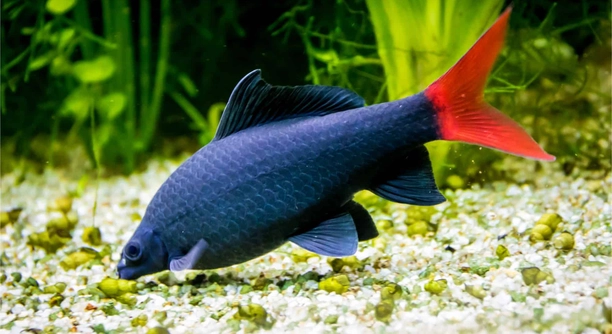
Rainbow sharks are popular freshwater fish known for their striking colors and active swimming. Many aquarium enthusiasts enjoy keeping them, but certain mistakes can cause stress or health problems. Knowing what to avoid helps maintain a healthy environment for these fish.
Avoid overcrowding the tank, sudden changes in water conditions, and improper feeding schedules. Each of these can negatively impact the fish’s wellbeing. Proper tank maintenance, stable water parameters, and balanced nutrition are essential for their survival and growth.
Understanding these common pitfalls improves care and keeps your rainbow shark thriving. The following points highlight key actions to avoid in their tank.
Overcrowding the Tank
Keeping too many fish in a rainbow shark tank is a common mistake. These fish need enough space to swim actively and establish their territory. Overcrowding can lead to aggression, stress, and poor water quality. When there are too many fish, waste builds up faster, which affects water parameters like ammonia and nitrite levels. This creates an unhealthy environment, making your rainbow shark more vulnerable to disease. It’s important to follow the recommended tank size, usually at least 30 gallons for one rainbow shark, and avoid adding too many tank mates. A spacious tank allows the fish to behave naturally and reduces competition for food and hiding spots. Maintaining a balanced population helps keep water clean and fish healthy. Careful planning before adding fish ensures the tank stays stable and your rainbow shark can thrive.
Overcrowding often results in aggressive behavior and poor health. Proper stocking levels are essential for harmony and wellbeing.
Providing enough room and avoiding overcrowding creates a stable environment. This allows your rainbow shark to swim freely and reduces stress. Fish that have space are more active and display natural behaviors. It also makes tank maintenance easier because waste accumulation is lower. Overcrowding can cause frequent water changes to be necessary, increasing effort and cost. Choosing compatible tank mates and not exceeding the tank’s capacity promotes balance. Regularly monitor fish behavior and water quality to catch early signs of overcrowding. An ideal setup supports your fish’s health and improves your aquarium’s appearance. Keeping fewer fish in a larger tank always benefits overall stability.
Sudden Changes in Water Conditions
Rainbow sharks are sensitive to quick shifts in temperature, pH, or hardness. Sudden changes shock their system and weaken their immune response. It’s important to introduce any water adjustments slowly. When adding new water after changes, match temperature and parameters closely. Avoid rapid fluctuations by using proper equipment like heaters and filters. Sudden changes cause stress that leads to illness or refusal to eat. Regular testing of water parameters helps detect shifts early. Maintaining consistent conditions keeps your rainbow shark healthy and active.
Gradual changes prevent stress and support long-term health. Stability in water conditions is key.
Water stability benefits every aspect of your rainbow shark’s wellbeing. Consistent temperature prevents metabolic stress, while stable pH and hardness maintain bodily functions. Avoid changing more than 0.5 degrees Celsius or 0.2 pH units per day. Use conditioners to remove harmful chemicals during water changes. Setting up a reliable filtration system reduces sudden waste spikes. These practices minimize stress and keep your fish comfortable. When acclimating new fish, slowly introduce them to tank water to avoid shock. Monitoring water conditions with test kits is a vital routine task. Consistency in water parameters allows your rainbow shark to live longer and show vibrant colors.
Improper Feeding Habits
Feeding rainbow sharks too much or too little can cause health problems. Overfeeding leads to water pollution, while underfeeding weakens the fish.
Rainbow sharks require a balanced diet that includes sinking pellets, vegetables, and occasional protein sources. Overfeeding causes leftover food to decay, increasing ammonia and harming water quality. It also leads to obesity and fatty liver disease in the fish. Feeding once or twice daily with measured portions helps maintain their health and tank cleanliness. Avoid feeding them flake food that floats, as rainbow sharks prefer food near the bottom of the tank. Regularly remove uneaten food to keep the tank environment stable.
Consistency in feeding is important. Rainbow sharks benefit from varied diets that mimic natural eating habits. Incorporate blanched vegetables like zucchini or spinach to provide fiber. Protein can come from bloodworms or brine shrimp but should be given sparingly. Maintaining a feeding schedule ensures your fish get proper nutrition without overloading the tank with waste. Proper feeding promotes growth, activity, and vibrant colors.
Lack of Proper Hiding Spots
Rainbow sharks feel vulnerable without places to hide. A bare tank can increase stress and cause aggressive behavior.
Providing hiding spots helps your fish feel secure and reduces territorial disputes. Use decorations like caves, driftwood, and plants to create shaded areas. These structures mimic their natural habitat and give them places to retreat when feeling threatened. Without hiding spots, rainbow sharks may become more aggressive toward tank mates or shy away and hide excessively. Creating a balanced environment with enough cover supports peaceful interactions. Regularly rearranging decorations can also reduce boredom and territorial conflicts.
Well-placed hiding areas improve fish wellbeing and encourage natural behaviors. A thoughtful tank layout promotes harmony and reduces stress-related issues. Plants, both live and artificial, add visual barriers and improve oxygen levels. Caves and tunnels offer safe retreats that help rainbow sharks feel protected. A secure environment boosts confidence, allowing the fish to explore more actively. Hiding spots are essential for their mental health and overall tank balance.
Poor Water Filtration
A weak or inadequate filtration system can quickly harm rainbow sharks. Without proper filtration, waste and toxins accumulate, stressing the fish.
Using a filter rated for your tank size and type is essential. Regular cleaning and maintenance keep the system effective.
Ignoring Water Changes
Regular water changes remove harmful substances and keep the tank environment stable. Skipping or delaying water changes leads to poor water quality and health risks.
Perform weekly partial water changes of 20-30%. This practice controls nitrate levels and refreshes the tank’s ecosystem, supporting fish health.
Incompatible Tank Mates
Rainbow sharks can become aggressive if housed with inappropriate fish. Choosing peaceful, similarly sized tank mates helps maintain harmony.
Avoid small or slow-moving fish that can be bullied. Proper tank mate selection reduces stress and conflict.
Overusing Medications
Excessive or improper use of medications can disrupt the tank’s balance and harm fish. Always follow dosage instructions carefully.
Using medications only when necessary prevents unnecessary stress and resistance in rainbow sharks.
FAQ
How often should I feed my rainbow shark?
Feeding once or twice a day with measured portions is ideal. Overfeeding can pollute the water, while underfeeding may cause your fish to lose weight and energy. Stick to a consistent schedule and remove any uneaten food promptly to keep the tank clean.
What size tank is suitable for a rainbow shark?
A minimum of 30 gallons is recommended for one rainbow shark. These fish need enough space to swim actively and establish territories. Larger tanks help reduce aggression and maintain better water quality.
Can rainbow sharks live with other fish?
Yes, but choose compatible tank mates carefully. Peaceful, similarly sized fish work best. Avoid small or slow-moving fish, as rainbow sharks may bully or stress them.
How do I maintain good water quality?
Use a properly rated filtration system and perform weekly partial water changes of about 20-30%. Regularly test water parameters like ammonia, nitrite, nitrate, and pH to catch any issues early.
Why is my rainbow shark hiding a lot?
Lack of hiding spots or stress can cause this behavior. Provide caves, plants, or decorations for shelter. Also, check for water quality problems or aggressive tank mates that might cause fear.
What temperature is best for rainbow sharks?
Keep the water temperature between 72°F and 79°F (22°C to 26°C). Avoid sudden temperature changes, as rainbow sharks are sensitive to fluctuations.
How can I tell if my rainbow shark is sick?
Signs include loss of appetite, lethargy, discoloration, or unusual swimming patterns. Poor water quality or stress often leads to illness. Early detection and proper treatment improve recovery chances.
Is it necessary to cycle the tank before adding rainbow sharks?
Yes, cycling establishes beneficial bacteria that break down harmful waste products. Adding fish before the tank cycles can expose them to toxic ammonia and nitrite levels.
Can rainbow sharks eat vegetables?
Yes, they enjoy blanched vegetables like zucchini, spinach, or peas. These provide essential fiber and nutrients. Include vegetables along with high-quality sinking pellets and occasional protein treats.
How long do rainbow sharks typically live?
With proper care, rainbow sharks can live 5 to 8 years. Good water quality, balanced diet, and a suitable environment contribute to their lifespan. Avoid common mistakes like overcrowding or poor feeding to help them thrive.
Do rainbow sharks need special lighting?
Standard aquarium lighting is sufficient. Avoid overly bright lights, which can stress the fish. Providing shaded areas with plants or decorations allows the rainbow shark to retreat when needed.
What is the best way to acclimate a new rainbow shark?
Introduce them slowly by floating the sealed bag in the tank to equalize temperature. Gradually add tank water to the bag over 30 to 60 minutes before releasing the fish. This reduces shock from water parameter differences.
How often should I clean the tank?
Perform weekly partial water changes and clean the filter as needed. Avoid full tank cleanings that remove beneficial bacteria. Regular maintenance keeps the environment stable and healthy for your fish.
Can rainbow sharks live alone?
Yes, they can live alone but often do better with other non-aggressive fish. Alone or in a community, proper tank size and environment remain important.
Are rainbow sharks aggressive?
They can show territorial aggression, especially in small tanks or with poor hiding spots. Providing enough space and decorations helps reduce aggressive behavior. Choosing compatible tank mates also matters.
What should I do if my rainbow shark is injured?
Isolate the injured fish in a quarantine tank if possible. Treat wounds with appropriate medications and keep water clean. Monitor closely and avoid stressors during recovery.
How important is water pH for rainbow sharks?
Rainbow sharks prefer slightly acidic to neutral pH levels between 6.5 and 7.5. Sudden shifts can stress the fish, so maintain stable pH through regular testing and proper water changes.
Can I keep multiple rainbow sharks together?
It’s possible but requires a large tank with plenty of hiding spots to prevent fighting. Smaller tanks often lead to territorial disputes and injury.
What do I do if my rainbow shark stops eating?
Check water quality and tank conditions first. Stress, illness, or poor diet can cause loss of appetite. Offering varied foods and ensuring stable water parameters often helps.
Is it necessary to quarantine new fish?
Yes, quarantining new fish for at least two weeks helps prevent the spread of diseases. It’s an important step before introducing them to the main tank.
Taking good care of a rainbow shark means paying attention to details that keep the fish healthy and happy. Avoiding overcrowding, maintaining stable water conditions, and feeding the right amount are basic but important steps. Each of these helps prevent stress, illness, and aggression. A well-maintained tank with proper filtration and regular water changes supports the fish’s natural behavior and vibrant colors. Small adjustments in tank setup, such as adding hiding spots and choosing the right tank mates, can make a big difference in how your rainbow shark lives. Being aware of these key factors allows you to create a safe and comfortable home for your fish.
Rainbow sharks are sensitive creatures, and their health depends on a balanced environment. Sudden changes in temperature or water chemistry can weaken their immune system, making them more vulnerable to diseases. Monitoring water parameters regularly and using proper equipment help maintain consistency. Proper feeding habits and careful introduction of new fish reduce the chance of stress and conflict. These simple practices build a stable ecosystem in the tank. When the environment is steady and clean, rainbow sharks tend to be more active and display their natural beauty. Attention to detail and routine care are essential for long-term success with these fish.
Overall, caring for a rainbow shark requires thoughtful planning and ongoing effort. Understanding what to avoid is as important as knowing what to do. Keeping the tank clean, providing enough space, and preventing sudden changes create a healthy habitat. Watching for signs of stress or illness helps catch problems early. With patience and commitment, you can enjoy the lively behavior and bright colors of your rainbow shark for years. Proper care not only benefits the fish but also makes maintaining your aquarium a more rewarding experience.

Hello,
If you enjoy the content that we create, please consider saying a "Thank You!" by leaving a tip.
Every little bit helps us continue crafting quality advice that supports the health, happiness, and well-being of pets around the world, for pets of all shapes, sizes, and species.
We really appreciate the kindness and support that you show us!