
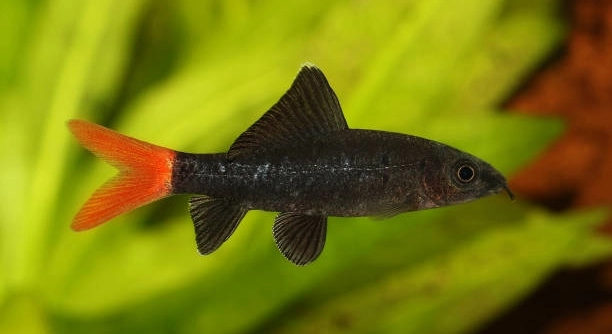
Is your rainbow shark becoming territorial or picking fights with other tank mates, leaving you concerned about its behavior and well-being?
Rainbow shark aggression is usually caused by territorial instincts, tank size issues, lack of hiding spaces, incompatible tank mates, poor water quality, limited food resources, or stress. Addressing these factors can reduce conflict and promote a peaceful tank environment.
Understanding these causes can help you create a calmer space for your fish and maintain a healthier balance in your aquarium setup.
1. Territorial Behavior
Rainbow sharks are naturally territorial. In confined spaces, this instinct becomes more intense. They often pick a specific area of the tank and guard it aggressively. If other fish enter that space, the rainbow shark may chase or nip at them. This is especially common if the tank lacks structure or hiding spots. With limited places to claim as their own, the fish becomes defensive. Rainbow sharks may also react this way when added to a new tank or if their environment is suddenly changed. This behavior is not unusual, especially as they mature. While it can be stressful to witness, it’s usually not a sign of illness or deep behavioral problems. Creating a tank layout with caves, plants, and decorations helps redirect this energy. Providing a clear separation of spaces reduces the risk of conflict and helps them feel secure without being overly aggressive toward other fish.
Make sure your tank is large enough and offers structure. This helps define territories and gives all fish space to move.
A tank size of at least 55 gallons with various hiding spots will support healthier behavior. Use driftwood, rocks, and artificial caves to allow each fish to have its own space. This promotes calmness over time.
2. Tank Size Is Too Small
Small tanks increase the chance of aggressive behavior. Without enough space, rainbow sharks feel cornered and react more defensively. A cramped environment puts unnecessary pressure on their natural instincts.
A tank under 55 gallons doesn’t give your rainbow shark room to swim or define territory. Even if your tank looks spacious, its layout matters. Horizontal space is especially important for bottom-dwelling fish like rainbow sharks. A longer tank allows them to patrol without constant run-ins with other fish. Smaller tanks create frequent territory overlaps, which can lead to chasing and injuries. When rainbow sharks feel their space is being invaded, they may become restless or lash out. This constant stress affects their health and the peace of the entire tank. Upgrading to a larger tank isn’t just about size—it’s about giving your fish the room to behave more naturally. More space lowers tension and helps your tank feel more balanced.
3. Incompatible Tank Mates
Rainbow sharks often react poorly to fish that are similar in shape, size, or behavior. Housing them with other bottom dwellers or semi-aggressive species increases the risk of territorial disputes and constant chasing.
Choose tank mates that occupy other areas of the tank, like the top or middle. Fast-swimming, peaceful fish such as danios, barbs, or rasboras usually do well. Avoid species that resemble rainbow sharks, like red tail sharks or other bottom dwellers. These look-alikes often trigger defensive behavior. Overlapping roles in the tank create unnecessary tension. If your rainbow shark is constantly flaring or chasing, reassess the compatibility of its companions. Even peaceful fish can become targets if they invade the rainbow shark’s space too often. Always observe new additions carefully during the first few days. If there are signs of stress or injury, it’s best to rehome or separate the aggressive fish to maintain balance.
Avoid adding more than one rainbow shark to the same tank. They are solitary and do not tolerate others of their kind. The same applies to other shark-like species. If the tank is large enough and well-divided, some mild aggression may still occur, but keeping one individual per tank is the safest option overall.
4. Lack of Hiding Spaces
Without hiding spaces, rainbow sharks become more defensive. When fish have no shelter, they feel exposed and insecure, which often leads to aggressive behavior toward others sharing the tank.
Use aquarium décor to create sections and natural breaks in the tank. Rock caves, driftwood, PVC pipes, and tall plants work well to divide space and offer shelter. These elements reduce visibility between fish and lower stress levels. When rainbow sharks have their own area to retreat to, they feel more in control and less likely to chase others. Think of the tank in layers and zones—adding visual barriers changes how fish move and interact. Keep decorations stable and avoid overcrowding, which can lead to more conflict. A simple layout with defined hiding spots helps your rainbow shark feel secure without becoming overprotective of the entire tank. Spacing out the shelters also prevents fish from competing over the same territory.
5. Poor Water Quality
Dirty water adds stress to your rainbow shark, making it more reactive and irritable. High ammonia or nitrite levels, unstable pH, and low oxygen can all contribute to aggressive behavior and reduced tolerance toward tank mates.
Keep the water clean with regular water changes and a reliable filtration system. Test the parameters weekly to maintain stability. A stressed fish is more likely to lash out, even at peaceful tank mates.
6. Limited Food Supply
When food is scarce, rainbow sharks may compete more aggressively. They’ll chase off other fish to get to the food first, especially in tanks with fast eaters.
Feed small amounts in different areas of the tank to avoid competition. Use sinking pellets or vegetables to ensure bottom feeders get their share. Watch for bullying during feeding time and adjust your routine if needed. A well-fed rainbow shark is usually calmer and less likely to chase others. Balanced nutrition and consistent feeding schedules can reduce tension and improve overall tank harmony.
7. Stress from Sudden Changes
Rainbow sharks react strongly to change. A new tank layout, loud noises, or sudden shifts in lighting or water temperature can all cause stress and aggressive behavior. Keeping their environment consistent helps reduce tension and keeps behavior stable.
FAQ
Why is my rainbow shark so aggressive all of a sudden?
Sudden aggression often relates to changes in the environment. New tank mates, a shift in water quality, or a rearranged tank layout can trigger stress. Rainbow sharks feel territorial and exposed when their surroundings change unexpectedly. Keeping the tank stable and making gradual adjustments can reduce this sudden aggression. Regular monitoring helps catch issues early before behavior worsens.
Can overcrowding cause rainbow shark aggression?
Yes, overcrowding limits space and increases stress for all fish. Rainbow sharks need enough room to patrol their territory without constant interruption. Too many fish create competition for food and hiding spots, leading to chasing and nipping. A spacious tank with fewer inhabitants helps reduce tension and aggressive behaviors.
How can I stop my rainbow shark from attacking other fish?
Improving tank conditions is key. Increase hiding places, check water quality, and ensure compatible tank mates. Feeding your fish adequately and providing enough space will lower stress. If aggression persists, separating the rainbow shark temporarily can give everyone a break and prevent injuries.
Are rainbow sharks aggressive toward all fish species?
No, rainbow sharks tend to be aggressive mainly toward other bottom dwellers or fish that resemble them. They prefer peaceful, fast-swimming species that occupy different parts of the tank. Choosing compatible tank mates reduces conflicts and helps keep peace in your aquarium.
Is it normal for rainbow sharks to chase other fish?
Yes, some chasing is natural due to their territorial behavior. However, frequent, aggressive chasing can signal problems like overcrowding, lack of hiding spots, or stress. Monitoring the frequency and intensity of chasing can help identify underlying issues that need addressing.
How often should I feed my rainbow shark to prevent aggression?
Feed small portions once or twice daily, enough so that food doesn’t remain uneaten. Distributing food across different areas ensures your rainbow shark and other fish get their share. Overfeeding can also cause water quality issues, so balance is important for both feeding and tank health.
Can water temperature affect my rainbow shark’s behavior?
Yes, sudden changes in temperature cause stress, which may lead to aggression. Rainbow sharks prefer temperatures between 72-79°F (22-26°C). Keeping a stable temperature within this range supports calmer behavior and overall health.
What should I do if my rainbow shark injures other fish?
If injuries occur, isolate the aggressive fish temporarily. Treat any wounds on affected fish to prevent infection. Review tank conditions and consider adding more hiding spaces or upgrading tank size. Persistent aggression may require rehoming to protect all your aquatic pets.
Do rainbow sharks calm down as they get older?
Some rainbow sharks become less aggressive with age, especially if their environment is stable and well-maintained. However, their territorial nature usually remains. Consistent care and a peaceful tank setup help reduce stress and aggressive incidents over time.
Is it okay to keep more than one rainbow shark together?
It’s generally not recommended to keep more than one rainbow shark in the same tank. They are solitary and territorial, often leading to fights. If you have a very large tank with ample hiding spots and territories, mild aggression may still happen. Separate tanks are safer to avoid injuries.
How important is tank decoration for preventing aggression?
Tank decoration is very important. Hiding places break up the tank into smaller territories and give fish safe spaces to retreat. This reduces stress and the urge to defend large, open areas. Plants, rocks, and caves create a balanced environment that calms territorial fish like rainbow sharks.
Can feeding live food reduce aggression in rainbow sharks?
Feeding live food can help mimic natural feeding behavior and keep your rainbow shark engaged. It may reduce aggression by providing mental stimulation and satisfying hunting instincts. However, feeding live food should be done carefully to avoid water contamination and ensure balanced nutrition.
What signs show that my rainbow shark is stressed?
Signs of stress include hiding constantly, loss of appetite, faded colors, rapid breathing, and increased aggression. Stress can weaken the immune system, making fish more vulnerable to disease. Improving water quality and tank conditions usually helps reduce stress quickly.
How often should I test my aquarium water?
Testing water weekly is a good routine. Regular checks for ammonia, nitrite, nitrate, pH, and temperature keep conditions stable. Sudden shifts in water chemistry cause stress and aggression. Keeping a log of test results helps track changes and maintain a healthy environment.
Can changing the lighting help with aggression?
Yes, sudden or very bright lighting can stress rainbow sharks. Using a gentle, consistent lighting schedule mimics natural day-night cycles and supports calmer behavior. Dimmer lights or shaded areas in the tank offer refuge and reduce overstimulation.
Is it normal for rainbow sharks to be more aggressive during breeding?
Yes, rainbow sharks can become more territorial during breeding periods. They may guard nests or specific areas more fiercely. Providing plenty of hiding spots and space helps reduce conflicts during these times. Monitoring behavior closely ensures other fish stay safe.
Final Thoughts
Rainbow sharks can show aggression for several reasons, often related to their environment or how they are cared for. Understanding what causes their behavior is important for creating a peaceful aquarium. Aggression usually happens because of territorial instincts, tank size, poor water conditions, or incompatible tank mates. When these factors are addressed, rainbow sharks tend to be calmer and less aggressive. Making sure the tank is large enough with plenty of hiding spots helps reduce their need to defend a space. Regular maintenance of water quality and careful selection of tank mates also play key roles in managing behavior.
Taking the time to observe your rainbow shark’s habits will give you clues about what it needs. For example, if the fish chases others often or hides too much, the tank setup may need changes. Adding decorations or rearranging the layout can create natural barriers, giving fish their own areas to feel safe. Feeding routines also affect aggression; feeding small amounts several times a day in different spots reduces competition. Keeping stress levels low is essential, as stress can cause more aggressive or erratic behavior in rainbow sharks. Stability and consistency in their environment help these fish thrive.
By understanding and managing these causes, you can create a more balanced aquarium. This not only helps the rainbow shark feel secure but also benefits all the fish living together. While some chasing and displays are natural, excessive aggression can harm other fish and disrupt the tank’s harmony. Taking simple steps like upgrading tank size, improving water quality, and providing suitable tank mates makes a big difference. With the right care and attention, rainbow sharks can be interesting and enjoyable fish to keep. Their beauty and activity bring life to the aquarium without constant conflict when their needs are met.

Hello,
If you enjoy the content that we create, please consider saying a "Thank You!" by leaving a tip.
Every little bit helps us continue crafting quality advice that supports the health, happiness, and well-being of pets around the world, for pets of all shapes, sizes, and species.
We really appreciate the kindness and support that you show us!