
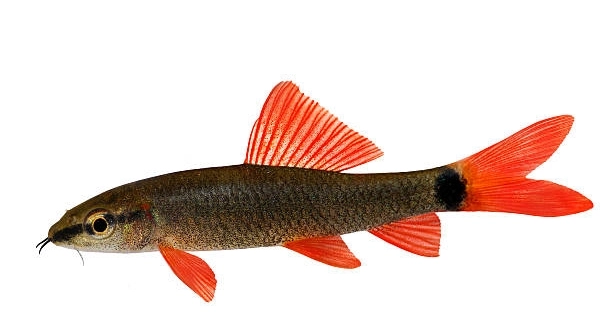
Is your rainbow shark spending too much time hiding instead of swimming around like it used to? This can be discouraging to watch, especially when you’re trying to keep your aquarium lively and engaging.
The best way to keep your rainbow shark active throughout the day is by creating a well-balanced environment that meets its physical and behavioral needs. This includes proper tank setup, varied enrichment, consistent feeding times, and peaceful tankmates.
Providing the right care ensures your rainbow shark stays alert, healthy, and constantly exploring its surroundings without unnecessary stress.
Set Up the Right Tank Conditions
Rainbow sharks are naturally active when they feel safe and comfortable in their environment. Start by giving them enough space—at least a 55-gallon tank is ideal for one adult. Use a soft substrate and include rocks, caves, or driftwood where they can hide when needed. Keep the water temperature between 75–80°F and maintain a neutral pH around 6.5–7.5. Proper filtration is essential to avoid water stress, which often makes them sluggish. Reduce bright lighting and avoid placing the tank in high-traffic areas. These small adjustments help reduce stress and encourage more movement during the day.
Creating a stable environment plays a major role in how active your rainbow shark will be. When the water conditions remain balanced and the tank feels secure, they’re much more likely to swim confidently.
Stick to regular maintenance. Weekly water changes, steady lighting cycles, and checking filter performance make a difference in how alert your fish stays.
Add Variety to Their Daily Routine
Monotony can lead to disinterest. Switching up their daily routine helps stimulate activity and encourages natural behavior. Small changes like adjusting feeding times or placing food in different areas of the tank can spark curiosity and movement.
You can also rotate tank decor every few weeks to give them new areas to explore. Add floating plants or shifting ornaments to change the layout slightly. Try using tank-safe mirrors briefly or place toys like floating rings in the water. While rainbow sharks are not social fish, these additions still give them something new to react to without causing stress. Some aquarists even use safe, slow-moving water pumps to simulate light currents. This imitates the river environments rainbow sharks come from and makes them more likely to swim against the flow. Enriching their surroundings in this way will keep them alert and less likely to hide.
Provide the Right Tankmates
Rainbow sharks can be territorial, especially in smaller tanks. Keeping them with the right tankmates helps reduce aggression and encourages more natural movement. Peaceful, fast-swimming fish like barbs or danios can coexist without causing stress or conflict. Avoid other bottom dwellers that compete for space.
Choose species that stay in the upper or middle areas of the tank to avoid territorial disputes. Tankmates should be quick enough to avoid confrontation but not so aggressive that they provoke your shark. Keep only one rainbow shark per tank to prevent fights. Watch for signs of stress in other fish, such as hiding or torn fins. If aggression does occur, adding more hiding places can help fish establish their own spaces. When the tank community feels balanced, your rainbow shark is more likely to patrol its space rather than staying hidden. A peaceful setup encourages active behavior throughout the day.
Even if your shark is generally calm, tank dynamics can shift. Pay attention to behaviors like chasing, fin nipping, or lack of appetite. These could indicate compatibility issues. If necessary, rearrange tank decor to disrupt territory lines or increase swimming space. Rainbow sharks are more active when they feel like they’re in control but not under threat. This balance encourages healthy daily movement.
Keep a Consistent Feeding Schedule
Feeding your rainbow shark at the same time each day creates structure. They quickly learn when to expect food and will start moving more during those periods. Choose sinking pellets, bloodworms, or vegetable-based flakes to support their energy levels and digestion. Limit feedings to one or two times daily.
Overfeeding makes fish sluggish and creates poor water quality, so portion control is important. Give only what they can eat within two minutes. You can also occasionally skip a day to mimic natural patterns. Introducing live or frozen food once or twice a week adds variety and encourages chasing behavior. Rainbow sharks enjoy exploring for food, so scatter some across the tank rather than feeding in one spot. This kind of movement mimics their behavior in the wild and makes feeding time more stimulating. Consistent meals paired with occasional variation help keep them alert and engaged.
Maintain Stable Lighting Patterns
Rainbow sharks are more active when they have a steady day-night cycle. Keep their tank lights on for 8 to 10 hours each day. Too much light can cause stress, while too little may reduce movement and appetite.
Use a timer to automate the lighting schedule. This prevents accidental overexposure and helps your shark feel more secure. Avoid sudden light changes, which can startle them and make them hide.
Include Safe Hiding Spots
Even active fish need breaks. Caves, driftwood, and rock structures give rainbow sharks places to retreat without feeling exposed. When they feel secure, they spend less time hiding and more time swimming confidently.
Monitor Temperature and Water Flow
Rainbow sharks prefer water between 75–80°F. Staying within this range helps maintain energy levels and immune health. Slight water movement also encourages swimming. Avoid strong currents that might overwhelm them, but gentle flow keeps them stimulated.
FAQ
How many hours a day should a rainbow shark be active?
Rainbow sharks are usually more active during daylight hours and may swim around for several hours at a time. On average, you can expect them to be active for about 6 to 8 hours a day. Their activity levels depend on tank conditions, feeding schedule, lighting, and whether they feel secure. If the environment is well-maintained and stress-free, they’ll naturally explore and patrol their territory more often throughout the day. However, don’t worry if they rest or hide occasionally, especially after feeding or during quiet periods. That’s normal for their behavior.
Is it okay if my rainbow shark hides all the time?
Frequent hiding may be a sign that something isn’t right. Rainbow sharks enjoy having hiding spots, but they shouldn’t stay hidden all day. If they’re constantly tucked away, it could be due to stress, poor water quality, tankmate aggression, or not enough space. Double-check tank size, water parameters, and the behavior of other fish. Make sure the lighting isn’t too strong and that the decor offers both shelter and open space. When they feel safe and comfortable, they’ll spend more time swimming out in the open. Hiding occasionally is normal, but not all day.
What types of enrichment can I add to keep my rainbow shark busy?
You can try rotating tank decor, adding live or silk plants, and using floating objects to create interest. Even small changes to their environment can stimulate natural curiosity. Feeding enrichment like live or frozen food also helps promote movement. Some aquarists use slow-moving pumps to create gentle currents, which encourage swimming. Keep in mind that rainbow sharks are territorial, so don’t overcrowd the tank with objects. Change the layout every few weeks to keep things fresh. These little adjustments keep your rainbow shark more alert and less likely to stay idle.
Do rainbow sharks get bored when kept alone?
Not exactly. Rainbow sharks are solitary by nature and don’t need tankmates to feel engaged. In fact, keeping more than one often leads to territorial fights. However, if their environment doesn’t change and there’s no enrichment, they may become less active. A single rainbow shark with a spacious, well-decorated tank and a varied routine can stay active and healthy. The key is variety in their surroundings, not companionship. They prefer having their own space and tend to be more confident when they don’t feel crowded or challenged.
How can I tell if my rainbow shark is stressed?
Signs of stress include excessive hiding, faded color, refusal to eat, rapid breathing, or aggressive chasing. Some sharks also stop swimming and rest at the bottom. These behaviors often mean something in the tank isn’t right—check the water temperature, ammonia levels, and pH first. Also, look at lighting and tankmate behavior. Stress is usually linked to poor environmental conditions or competition. Once the cause is addressed, your shark’s behavior should improve. Regular water testing and small weekly changes can help prevent stress from building up in the first place.
Do rainbow sharks need a filter with strong current?
Rainbow sharks come from rivers, but that doesn’t mean they need heavy flow. A moderate current is enough to encourage swimming without tiring them out. Strong currents can overwhelm them or cause them to hide. A reliable filter that provides gentle circulation while keeping the water clean is ideal. This also helps maintain consistent oxygen levels, which support their overall health and movement. Choose a filter that suits your tank size and has adjustable flow settings if possible. Balanced flow promotes activity without creating a stressful environment.
What time of day are rainbow sharks most active?
They tend to be most active during the middle of the day, especially after feeding. With a consistent lighting schedule, you’ll see a pattern in their movement. They explore their territory, investigate tank decor, and patrol the bottom or mid-levels. Once the lights go off or the environment quiets down, they usually rest. Keeping a steady routine helps them feel more secure and encourages regular activity. Avoid frequent changes to lighting or feeding times, as this can disrupt their natural rhythm and reduce energy levels.
Can tank size affect how active a rainbow shark is?
Yes, it can. Smaller tanks limit movement and increase territorial stress. A 55-gallon tank or larger allows enough room for them to explore and claim space. In tight spaces, they may become aggressive or hide more often. Larger tanks also allow for better enrichment and more stable water conditions. If your shark seems inactive or overly aggressive, upgrading to a larger tank may help. Spacious environments reduce stress, support natural behavior, and give them the freedom to swim without constantly feeling threatened or cornered.
Final Thoughts
Rainbow sharks are unique fish that thrive when given the right environment. Their activity levels depend heavily on how secure and comfortable they feel in their tank. A large, clean tank with proper hiding spots and peaceful tankmates goes a long way in supporting healthy behavior. While they can be territorial, they are also curious and enjoy exploring when they don’t feel stressed. If your shark seems inactive, it’s usually a sign that something in the tank may need adjustment—whether it’s lighting, water quality, feeding routine, or tank decor. Making thoughtful changes can quickly improve their daily behavior.
Consistency is important when it comes to care. Regular feeding times, balanced lighting, and stable water conditions help your rainbow shark know what to expect each day. Predictable routines keep them calm and allow them to spend more time swimming confidently. Adding enrichment—like live food, gentle water flow, or rearranged decor—keeps their environment engaging without overstimulating them. Just be sure not to overcrowd the tank, and avoid any tankmates that are overly aggressive or too slow to avoid confrontation. With the right care, rainbow sharks become active, interesting fish to observe throughout the day.
If your shark hides often or seems lethargic, take a closer look at the setup and behavior of other fish in the tank. Even small changes can make a big difference in how your rainbow shark responds to its surroundings. Watching your fish move with ease and confidence is a sign that your care efforts are working. Keep an eye on their behavior, and don’t be afraid to adjust things over time as your fish grows or as tank conditions change. When their needs are met, rainbow sharks show their natural energy and personality, bringing life and motion to your aquarium.

Hello,
If you enjoy the content that we create, please consider saying a "Thank You!" by leaving a tip.
Every little bit helps us continue crafting quality advice that supports the health, happiness, and well-being of pets around the world, for pets of all shapes, sizes, and species.
We really appreciate the kindness and support that you show us!