
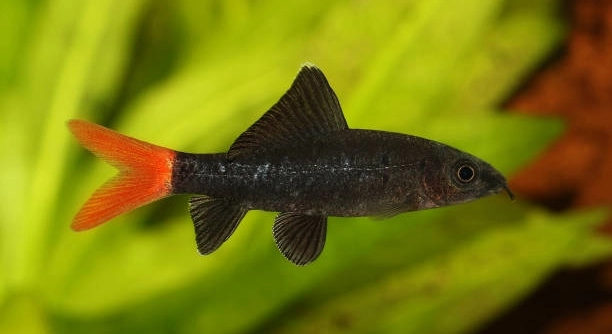
Rainbow sharks are popular freshwater fish that bring color and activity to home aquariums. Many aquarium enthusiasts hope to breed them successfully. However, breeding rainbow sharks can be challenging even for experienced hobbyists.
Rainbow sharks often do not breed in home tanks due to environmental stress, inadequate tank size, improper water conditions, lack of proper diet, insufficient hiding spaces, aggressive tank mates, and failure to provide suitable breeding triggers. These factors collectively hinder their natural breeding behavior.
Understanding these common obstacles will help improve the chances of breeding success. The following explanations clarify why your rainbow sharks may not be reproducing and what adjustments can help encourage breeding.
Environmental Stress and Its Impact on Breeding
Rainbow sharks are sensitive to changes in their environment. Sudden shifts in water temperature, lighting, or water chemistry can cause stress that prevents them from breeding. Consistent conditions are necessary to keep the fish comfortable and ready for reproduction. Stress may also result from frequent disturbances around the tank or loud noises. When stressed, rainbow sharks tend to focus on survival rather than reproduction, making breeding unlikely. Ensuring a calm, stable environment helps the fish feel secure and promotes natural behaviors, including spawning. Regular monitoring of water parameters and minimizing disturbances will reduce stress and increase the chances of breeding.
Stress is a key factor that often stops rainbow sharks from breeding. Stable conditions encourage healthier fish and natural reproductive behavior.
A quiet and stable aquarium environment is crucial. Avoid sudden temperature changes and maintain consistent water quality. Use gentle lighting and limit tank disturbances. These small changes can make a big difference in encouraging breeding behavior in rainbow sharks.
Tank Size and Space Requirements
Rainbow sharks require sufficient space to establish territories and feel comfortable. A tank that is too small can lead to increased aggression and stress, reducing the likelihood of successful breeding. Ideally, a tank should be at least 30 gallons to provide enough room for multiple rainbow sharks and their hiding spots. Limited space forces fish into close contact, which may trigger territorial disputes rather than mating. A larger tank also allows for better water quality control, which supports overall health. Providing adequate space ensures that the fish can exhibit natural behaviors, including courtship and spawning, without unnecessary stress or competition.
When the tank is too small, rainbow sharks become stressed and territorial, limiting breeding chances.
A spacious tank is essential for breeding success. It reduces aggression and stress while allowing fish to display natural mating behaviors. Larger tanks offer room for plants and hiding places, which support both physical and psychological needs during breeding.
Improper Water Conditions
Maintaining the right water conditions is crucial for rainbow shark breeding. Poor water quality or incorrect parameters can stop spawning entirely.
Rainbow sharks need clean, well-oxygenated water with a stable pH between 6.5 and 7.5. Temperature should be kept between 75 and 80 degrees Fahrenheit. Ammonia, nitrite, and nitrate levels must be monitored closely and kept near zero. Fluctuations in these conditions stress the fish and disrupt their breeding cycles. Regular water changes and proper filtration help maintain a healthy environment.
Besides water chemistry, water hardness also plays a role. Rainbow sharks prefer slightly soft to moderate hardness levels. Using a water testing kit often helps track all these parameters to ensure the aquarium remains suitable for breeding.
Lack of Proper Diet
A balanced diet with the right nutrients is essential to trigger breeding behavior in rainbow sharks. Without adequate nutrition, fish remain weak and uninterested in spawning.
Rainbow sharks require a mix of high-quality pellets, live or frozen foods like bloodworms, and vegetables to meet their dietary needs. Protein-rich foods boost energy and health, which are necessary for reproduction. Feeding smaller amounts multiple times a day promotes better digestion and vitality.
Insufficient nutrition lowers fertility and can delay or prevent spawning altogether. Offering a varied and nutrient-rich diet will encourage healthier fish and increase the likelihood of breeding success.
Insufficient Hiding Spaces
Rainbow sharks need plenty of hiding places to feel secure during breeding. Without them, stress levels rise, which reduces mating behavior.
Providing caves, plants, and decorations creates safe areas where fish can retreat. This comfort encourages natural spawning activities.
Aggressive Tank Mates
Certain fish species may bully rainbow sharks, preventing breeding. Aggression causes stress and injury, which are harmful during spawning periods.
Keeping rainbow sharks with peaceful, compatible species helps reduce conflict and supports a better environment for breeding.
Failure to Provide Suitable Breeding Triggers
Breeding triggers like seasonal changes in temperature or light cycles signal rainbow sharks to spawn. Without these, they may not initiate reproduction.
Mimicking natural environmental changes by adjusting light duration or temperature gradually can encourage breeding behavior. These triggers replicate seasonal cues that stimulate spawning instincts.
FAQ
Why are my rainbow sharks not showing any breeding behavior?
Rainbow sharks often do not show breeding behavior if they are stressed or uncomfortable. Poor water quality, lack of hiding spots, and aggressive tank mates can all discourage spawning. Additionally, if their diet lacks proper nutrients or if the tank is too small, they may not feel secure enough to breed.
How important is tank size for breeding rainbow sharks?
Tank size plays a major role. Rainbow sharks need enough room to establish territories and reduce aggression. A tank smaller than 30 gallons usually causes stress and territorial fighting, which prevents breeding. Larger tanks provide space for hiding and natural courtship.
What water parameters should I maintain to encourage breeding?
Keep the water temperature between 75 and 80°F, with a pH of 6.5 to 7.5. Ammonia, nitrite, and nitrate should be near zero. Stable water conditions and proper filtration are essential. Frequent water changes help maintain quality.
What kind of diet promotes breeding in rainbow sharks?
A balanced diet with high protein foods such as bloodworms, brine shrimp, and quality pellets supports breeding. Including vegetables and varied food options improves health and fertility. Feeding small amounts several times a day keeps fish energetic.
Can tank mates affect rainbow shark breeding?
Yes. Aggressive or territorial tank mates increase stress and can injure rainbow sharks. Peaceful species that occupy different tank levels are better companions. Avoid fin-nippers or overly active fish that disrupt calm breeding behavior.
How can I provide good hiding spaces for breeding?
Use caves, dense plants, and decorations to create secure spots. Rainbow sharks feel safer when they have places to retreat. This reduces stress and encourages natural spawning activities.
Do I need to simulate seasonal changes for breeding?
Yes. Gradually adjusting light cycles and water temperature to mimic seasonal shifts can trigger breeding instincts. These changes simulate natural cues rainbow sharks respond to in the wild.
How long does it take for rainbow sharks to start breeding after tank adjustments?
It may take several weeks for fish to adjust and start breeding after changes. Patience is important. Maintain consistent care and monitor water conditions closely to support this process.
Are rainbow sharks easy to breed compared to other freshwater fish?
Rainbow sharks are considered moderately difficult to breed in home tanks. Their territorial nature and specific environmental needs make breeding challenging. Meeting all requirements increases chances of success.
What signs indicate that breeding is about to happen?
Signs include increased activity, chasing behavior, and color brightening in males. Fish may become more territorial and start cleaning surfaces for egg laying. Observing these behaviors helps prepare for spawning.
What should I do if eggs are laid but not hatching?
Eggs might not hatch due to poor water quality or fungal infections. Remove eggs to a separate tank with clean water and gentle aeration to improve survival. Keeping water conditions optimal is essential for healthy development.
Is it necessary to remove adult rainbow sharks after spawning?
Removing adults can prevent egg predation. Rainbow sharks may eat their own eggs or fry. Separating adults helps protect young fish and increases survival rates during early stages.
Final Thoughts
Breeding rainbow sharks in a home aquarium requires careful attention to several important factors. Ensuring the right environment, water quality, and diet plays a significant role in encouraging these fish to reproduce. Many issues that prevent breeding stem from stress, which often comes from improper tank conditions or aggressive companions. Taking the time to create a stable and peaceful setting for the rainbow sharks will increase the chances of successful spawning. Patience and consistency are key, as changes may not produce immediate results but will benefit the fish in the long run.
Understanding the natural behaviors of rainbow sharks helps in preparing the right conditions for breeding. They need enough space to establish territories and feel safe, which means a sufficiently large tank with plenty of hiding spots. Stable water parameters and regular maintenance reduce stress and promote healthy fish. Feeding a balanced diet that meets their nutritional needs also supports reproduction. In addition, mimicking seasonal changes through adjustments in temperature and lighting can trigger breeding instincts. These combined efforts create an environment where rainbow sharks feel comfortable and ready to spawn.
Although breeding rainbow sharks can be challenging, it is rewarding when successful. It requires observing the fish carefully and making gradual improvements to their habitat. Avoiding sudden changes and monitoring water quality regularly are essential steps. Removing aggressive tank mates and offering a calm environment helps maintain the peace needed for breeding. By addressing these factors, you improve the chances that your rainbow sharks will reproduce, contributing to a thriving and balanced aquarium.

Hello,
If you enjoy the content that we create, please consider saying a "Thank You!" by leaving a tip.
Every little bit helps us continue crafting quality advice that supports the health, happiness, and well-being of pets around the world, for pets of all shapes, sizes, and species.
We really appreciate the kindness and support that you show us!