
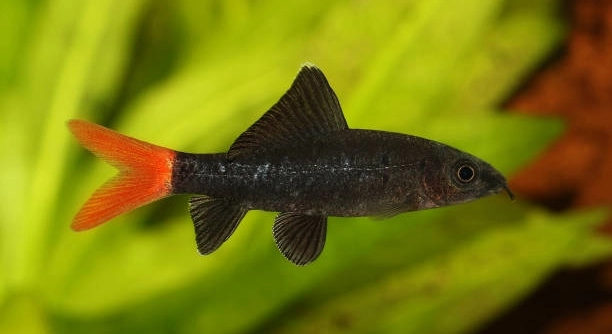
Rainbow sharks are popular aquarium fish known for their vibrant colors and active behavior. Keeping them healthy requires attention to their water environment, as sudden changes can stress them. Understanding how to help them adjust is important for any fishkeeper.
Helping a rainbow shark adjust to different water conditions involves gradual acclimation, maintaining stable parameters such as temperature, pH, and hardness, and monitoring for signs of stress. Consistent water quality and careful observation are essential to their well-being.
These practical tips will help ensure your rainbow shark adapts smoothly to changes, promoting a healthy and comfortable habitat for your aquatic pet.
Gradual Acclimation Is Key
When introducing your rainbow shark to new water conditions, it is important to take time and proceed slowly. Sudden changes in water temperature, pH, or hardness can cause stress or illness. Start by floating the bag or container holding the fish in the new tank for 15 to 30 minutes. This allows the temperature inside to slowly match the tank water. Next, add small amounts of the tank water to the bag every 10 minutes over the course of an hour. This gradual mixing helps the fish adjust to different chemical conditions. Once acclimated, gently release the fish into the tank. This process reduces shock and gives the rainbow shark a better chance to thrive. Patience during acclimation improves the health and comfort of the fish.
A slow and careful acclimation process helps prevent stress and supports the rainbow shark’s ability to adapt to new water conditions.
Acclimation is often overlooked but critical. Rainbow sharks are sensitive to rapid environmental changes, which can cause weakened immune responses or behavioral issues. By increasing water mixing slowly, fish experience less shock to their system. During this time, it is best to avoid feeding the fish immediately, as stress can affect digestion. Watch for signs like rapid gill movement or hiding, which indicate the fish may still be adjusting. Regular water testing during this period will ensure parameters remain stable. Maintaining a calm environment without sudden noises or vibrations also helps reduce stress. Proper acclimation not only supports the health of your rainbow shark but also builds resilience to future water changes.
Maintain Stable Water Parameters
Rainbow sharks require consistent water temperature, ideally between 74°F and 80°F, and a pH near neutral to slightly alkaline (6.5 to 7.5). Sudden fluctuations can lead to health problems. Hardness should also be moderate, as extremes may cause discomfort or illness. Regular testing helps you monitor these factors. Avoid making large adjustments all at once, and use equipment like heaters or water conditioners to keep levels steady. Stability supports the fish’s metabolism and immune system. Keeping the tank environment consistent reduces stress and helps the rainbow shark stay active and healthy.
Water stability is essential for long-term health and prevents common diseases in rainbow sharks.
Keeping water parameters steady requires attention and routine care. Invest in reliable testing kits and measure temperature, pH, and hardness at least once a week. If changes are necessary, adjust gradually—no more than 0.2 units of pH per day or 1-2 degrees of temperature change. Avoid overcrowding the tank, which can cause waste buildup and fluctuations. Frequent partial water changes help maintain quality but should be done carefully, replacing no more than 20-25% at once. Use conditioners to remove chlorine or chloramine from tap water before adding it to the tank. A stable environment keeps your rainbow shark’s biological processes functioning well and helps it avoid stress-related illnesses. This regular maintenance is key to a thriving aquarium.
Monitor for Signs of Stress
Stress in rainbow sharks can show through changes in behavior or appearance. Watch for hiding, loss of appetite, or faded colors. These signs indicate the fish is struggling to adjust. Early detection helps prevent illness and promotes recovery.
Stress often arises from poor water quality or sudden changes. Fish may become lethargic or refuse food. Regular observation during water changes or moves is essential. Adjusting conditions slowly and providing hiding spots can ease stress.
Providing a calm environment helps reduce anxiety. Avoid loud noises or rapid movements near the tank. Keeping tank maintenance consistent creates a stable routine, which reassures the fish. If stress persists, testing water parameters again is necessary to identify possible issues.
Use Proper Filtration and Aeration
Good filtration maintains water clarity and removes harmful substances. Adequate aeration ensures enough oxygen, which is crucial for your rainbow shark’s health. Both support a balanced aquatic environment and reduce stress.
Choosing the right filter depends on tank size and fish load. Mechanical, chemical, and biological filtration work together to keep water safe. Regular cleaning of filters prevents buildup of debris and harmful bacteria, ensuring proper function. Aeration devices, such as air stones or powerheads, improve oxygen circulation and water movement.
Proper filtration and aeration also help maintain stable water parameters. Clean water reduces the risk of disease and encourages natural behavior. Regular checks and maintenance of equipment are necessary to provide an optimal environment for your rainbow shark. This helps it remain healthy and active.
Maintain Consistent Feeding Schedule
Feeding your rainbow shark on a regular schedule helps reduce stress and supports its health. Avoid overfeeding, as leftover food can degrade water quality quickly.
A balanced diet with quality pellets, flakes, and occasional live or frozen foods meets nutritional needs. Stick to feeding once or twice daily and remove uneaten food promptly to keep the tank clean.
Use Water Conditioners
Water conditioners neutralize harmful chemicals like chlorine and chloramine found in tap water. Using them ensures safer water for your rainbow shark.
Always treat new water before adding it to the tank. This simple step prevents damage to your fish’s gills and supports a stable environment.
Provide Hiding Places
Rainbow sharks feel more secure with places to hide. Rocks, plants, and decorations create shelter and reduce stress, helping them adapt better.
A well-decorated tank encourages natural behavior and offers comfort during water changes or new environments.
How often should I change the water when adjusting conditions for my rainbow shark?
Regular water changes are important to keep the tank stable. When adjusting water conditions, change about 20-25% of the water weekly. If making larger changes to temperature or pH, smaller, more frequent water changes of 10-15% every few days can help the fish adjust gradually without stress.
What is the ideal temperature range for a rainbow shark?
Rainbow sharks thrive in temperatures between 74°F and 80°F. Keeping the temperature stable within this range supports their metabolism and immune system. Sudden temperature swings outside this range can cause stress and illness. Use a reliable heater and thermometer to maintain consistent warmth.
Can I use tap water directly for my rainbow shark tank?
Tap water usually contains chlorine or chloramine, which are harmful to fish. Always treat tap water with a water conditioner before adding it to the tank. This removes harmful chemicals and makes the water safe for your rainbow shark. Never add untreated tap water directly to the aquarium.
How do I know if my rainbow shark is stressed from water changes?
Signs of stress include hiding for long periods, loss of appetite, pale or faded colors, rapid breathing, or erratic swimming. If you notice these behaviors after water changes or adjustments, the fish is likely struggling. Reducing the pace of change and improving hiding spots can help the fish recover.
Is it necessary to monitor pH and hardness when keeping rainbow sharks?
Yes, maintaining stable pH and hardness is crucial. Rainbow sharks prefer pH around 6.5 to 7.5 and moderate hardness. Sudden shifts can cause stress or physical harm. Regular testing with aquarium kits ensures these parameters stay in the right range, promoting a healthy environment.
What should I feed my rainbow shark during water condition changes?
Feed a balanced diet with quality sinking pellets or flakes designed for omnivores. Adding occasional live or frozen foods like bloodworms or brine shrimp provides extra nutrition. During stressful water changes, avoid overfeeding, as uneaten food can pollute the water and increase stress.
How long does it take for a rainbow shark to adjust to new water conditions?
Adjustment time varies but usually takes several hours to a few days. Gradual acclimation speeds recovery and reduces stress. Watch the fish closely during this period for any signs of distress. Maintaining stable conditions after adjustment supports long-term health.
Can a rainbow shark survive sudden water parameter changes?
Sudden changes often lead to stress, weakened immunity, or even death. Rainbow sharks are sensitive to rapid shifts in temperature, pH, or hardness. Always aim for slow, gradual changes over hours or days to help the fish adapt safely.
What equipment is best for maintaining water quality for rainbow sharks?
A good filtration system with mechanical, chemical, and biological filters keeps water clean. An adjustable heater and thermometer maintain stable temperature. Aeration devices like air stones increase oxygen levels. Reliable water test kits are essential for monitoring pH, hardness, and ammonia.
How often should I clean the filter when adjusting water conditions?
Clean the filter monthly or when flow decreases, but avoid over-cleaning, which can disrupt beneficial bacteria. When adjusting water conditions, monitor filter performance closely and clean gently as needed to maintain water quality without harming the biological filter.
Are there any signs of disease linked to poor water conditions in rainbow sharks?
Yes. Common signs include white spots (ich), fin rot, lethargy, or swollen body. These illnesses often result from poor water quality or stress. Promptly testing and correcting water parameters can prevent disease and support recovery.
Is it safe to mix rainbow sharks with other fish during water adjustments?
Rainbow sharks can be territorial. Introducing new fish or mixing species during water condition changes can increase stress for all fish involved. It is best to wait until water parameters are stable before adding or mixing fish to avoid conflicts and reduce stress.
What is the best way to test water parameters?
Use reliable aquarium test kits to measure pH, ammonia, nitrite, nitrate, and hardness. Regular testing ensures you detect changes early. Follow kit instructions carefully and keep records to track trends over time, helping you maintain optimal water quality.
Can adding plants help rainbow sharks adjust to different water conditions?
Yes, live plants improve water quality by absorbing nitrates and providing oxygen. They also offer hiding spots, which help reduce stress. However, ensure plants are suitable for the tank’s water conditions and lighting. Healthy plants contribute to a balanced aquarium ecosystem.
How important is aeration when changing water conditions?
Aeration increases oxygen levels and promotes water circulation. During water changes or parameter adjustments, oxygen demand can rise. Providing good aeration helps your rainbow shark breathe easily and supports beneficial bacteria in the filter.
What should I do if my rainbow shark shows signs of illness after water changes?
First, test water quality to identify any issues. Correct any parameter imbalances immediately. Isolate the fish if necessary to prevent spreading disease. Consult a veterinarian or aquarium specialist for treatment options. Early intervention increases chances of recovery.
How can I prevent future stress when changing water conditions?
Plan changes slowly and use gradual acclimation steps. Maintain consistent feeding and avoid overcrowding. Provide hiding places and stable environmental conditions. Regularly monitor water quality and fish behavior to catch problems early and keep your rainbow shark healthy.
Are there specific water conditioners recommended for rainbow sharks?
Most general aquarium water conditioners work well, especially those that neutralize chlorine and chloramine and detoxify heavy metals. Choose reputable brands and follow dosage instructions carefully to ensure safety for your fish.
How does water hardness affect rainbow sharks?
Water hardness influences fish metabolism and shell or scale health. Rainbow sharks prefer moderate hardness levels. Too soft or too hard water can cause stress and affect their ability to regulate bodily functions. Testing hardness helps maintain suitable conditions for their well-being.
When caring for a rainbow shark, helping it adjust to different water conditions is a vital part of maintaining its health. These fish are sensitive to sudden changes, so a gradual approach is best. Taking time to acclimate your fish slowly to new water parameters reduces stress and improves its chances of thriving. Consistent monitoring of temperature, pH, and hardness, along with regular water testing, supports a stable environment that meets the needs of your rainbow shark.
Providing proper filtration and aeration plays a big role in maintaining water quality. Clean, oxygen-rich water allows your fish to breathe easily and reduces the risk of illness. Keeping the filter clean without disturbing beneficial bacteria and ensuring good water circulation are important. Feeding your rainbow shark a balanced diet and removing uneaten food promptly helps prevent water pollution, which can affect water parameters and fish health. Offering hiding places gives the fish a sense of security, especially during changes in the environment.
Patience and attention to detail are key when adjusting water conditions for your rainbow shark. Avoid rushing changes or introducing sudden shifts, as these can cause stress and illness. Observing your fish closely during transitions helps identify any signs of trouble early on. Taking steps to maintain a consistent, clean, and calm tank environment creates a better home for your rainbow shark, allowing it to remain active and healthy over time. This thoughtful care helps ensure your fish enjoys a comfortable life in your aquarium.

Hello,
If you enjoy the content that we create, please consider saying a "Thank You!" by leaving a tip.
Every little bit helps us continue crafting quality advice that supports the health, happiness, and well-being of pets around the world, for pets of all shapes, sizes, and species.
We really appreciate the kindness and support that you show us!