
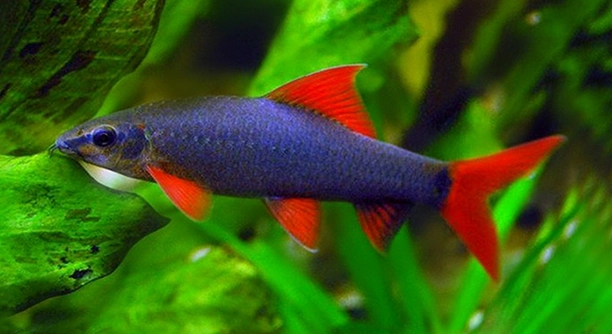
Rainbow sharks are popular aquarium fish known for their bright colors and active behavior. Like all fish, they can develop health issues that may affect their well-being. Recognizing early signs of illness can help owners act quickly.
Rainbow shark illness often shows through changes in behavior, physical appearance, and swimming patterns. Common symptoms include faded colors, clamped fins, lethargy, and unusual spots or wounds. Early detection and treatment are crucial to prevent worsening conditions.
Knowing how to spot these signs can make a big difference in keeping your fish healthy and happy. This guide will help you recognize illness before it becomes serious.
Changes in Color and Fins
One of the first signs that a rainbow shark might be unwell is a change in its vibrant color. Healthy rainbow sharks have bright, shiny scales, but when sick, their colors often become dull or faded. This color loss can signal stress or disease. Another key sign is the state of their fins. Clamped fins—where the fins stay close to the body instead of spreading out—often mean the fish is uncomfortable or sick. Sometimes, the fins can look torn or ragged, which may indicate fin rot or injury. It’s important to watch for any abnormal changes because color and fin condition provide clear clues about your fish’s health. If you notice these changes, it’s time to check water quality and consider possible infections. Acting early can help avoid serious health problems.
Color and fin changes are clear signs that something isn’t right with your rainbow shark. Observing these early can prevent worse issues.
By paying close attention to color and fin condition, you can detect illness before it worsens. Regular monitoring helps maintain your fish’s health. Adjusting tank conditions and consulting with a vet or expert can stop disease progression and improve recovery chances.
Unusual Swimming Patterns
When a rainbow shark swims differently than usual, it often means there’s a health problem. Healthy fish swim smoothly and stay near the bottom or middle of the tank, but sick fish may float near the surface, struggle to stay upright, or swim erratically. Sometimes they may hide more than usual or rest at the bottom for long periods. These changes often result from stress, parasites, or swim bladder issues. Monitoring swimming behavior helps catch illness early, as these problems can worsen quickly if ignored. Changes in swimming are an important clue to your fish’s condition.
Abnormal swimming can be an early indicator of stress or disease in rainbow sharks.
Noticing unusual swimming patterns early allows you to check for causes like poor water quality or infections. Providing a clean environment and balanced diet supports recovery. Sometimes treatment with medication is necessary to restore normal behavior and health.
Loss of Appetite
A rainbow shark losing interest in food is a common sign of illness. Healthy fish usually eat eagerly, so sudden refusal to eat is concerning.
Loss of appetite can be caused by stress, poor water quality, or infection. When a fish stops eating, its immune system weakens, making recovery harder. It’s important to test water parameters and observe for other symptoms. Sometimes offering different foods can help encourage eating, but if refusal continues, treatment may be necessary. Ignoring this sign can lead to rapid health decline.
In many cases, poor diet or environmental issues cause appetite loss. Regular tank maintenance and a balanced diet support your fish’s well-being. If food refusal persists beyond a day or two, consider consulting an expert to identify and treat underlying causes quickly.
Physical Injuries and Spots
Physical wounds or unusual spots on a rainbow shark often point to infections or parasite problems. These need attention before they worsen.
Spots may be white, red, or black and appear on the body or fins. Injuries can come from sharp objects in the tank or aggressive tank mates. Open wounds and sores increase the risk of bacterial infections and can spread rapidly. Clean, well-maintained water helps prevent these issues, but sometimes treatment with antibacterial or antiparasitic medication is needed. Careful observation and quick action improve chances of healing without long-term damage.
If you see any spots or injuries, isolate the fish if possible and improve water conditions. Regular tank cleaning and avoiding overcrowding reduce injury risks. Monitoring helps detect problems early, ensuring your rainbow shark stays healthy.
Lethargy and Hiding
Lethargy is a clear sign that your rainbow shark isn’t feeling well. When they stop moving much or hide for long periods, it shows discomfort or illness.
Hiding away reduces their activity and feeding, which can make recovery slower. Keep an eye on this behavior.
Rapid Gill Movement
Rapid gill movement often signals breathing problems. This can be caused by poor water quality, low oxygen, or disease affecting the gills.
Monitoring your fish’s breathing rate helps detect problems early. Improving water conditions and checking for infections can relieve this symptom.
Clamped Fins
Clamped fins are a sign of stress or illness. The fins stay tight against the body instead of spreading out normally.
This can indicate poor water quality, parasites, or injury and needs prompt attention to prevent worsening.
FAQ
How can I tell if my rainbow shark is sick?
You can spot illness by watching for changes in behavior and appearance. Look for faded colors, clamped fins, slow or erratic swimming, hiding, loss of appetite, rapid gill movement, and any spots or wounds on the body. These signs usually indicate stress or disease.
What causes rainbow sharks to get sick?
Illness often comes from poor water quality, overcrowding, sudden temperature changes, or infections like bacteria and parasites. Stress weakens their immune system, making it easier for diseases to develop. Proper tank care and stable conditions are key to prevention.
How often should I check my tank water?
Regular water testing is important. Ideally, check water parameters like ammonia, nitrite, nitrate, and pH at least once a week. This helps catch issues before they affect your fish. Clean the tank and do partial water changes as needed.
Can diet affect my rainbow shark’s health?
Yes, a poor diet can weaken your fish. Rainbow sharks need a balanced diet with sinking pellets, vegetables, and occasional protein treats. Avoid overfeeding, as leftover food can pollute the tank and cause health problems.
What should I do if I notice my rainbow shark is hiding a lot?
Hiding often means stress or illness. First, check the tank’s water quality and temperature. Make sure the tank isn’t overcrowded or that other fish aren’t bullying it. Improving the environment usually helps, but persistent hiding may need professional advice.
Is it normal for rainbow sharks to swim near the surface?
Not usually. Rainbow sharks prefer middle to bottom tank levels. Swimming near the surface or gasping for air can indicate low oxygen or poor water conditions. Test water quality and aeration, and improve tank maintenance if needed.
How can I treat fin rot or wounds?
Isolate the affected fish if possible. Clean the tank and maintain good water quality. Use antibacterial medications designed for fish, following instructions carefully. Avoid overcrowding to reduce stress and prevent spread to other fish.
Can rainbow sharks recover from illness?
Yes, with quick action and proper care. Early detection and treatment improve recovery chances. Maintain clean water, provide good nutrition, and use appropriate medications if necessary. Monitor your fish closely during recovery to catch any setbacks.
When should I consult a professional?
If symptoms worsen or don’t improve after basic care and treatment, seek advice from a vet or experienced aquarist. Professional help can diagnose difficult illnesses and recommend specific treatments for your rainbow shark.
Are there common mistakes that cause rainbow shark illness?
Yes, the biggest mistakes include poor tank maintenance, overfeeding, overcrowding, and ignoring water quality tests. Sudden changes in temperature or water chemistry can also stress fish. Keeping a consistent, clean environment is the best way to avoid health issues.
Taking good care of your rainbow shark means paying attention to its health every day. Watching for early signs of illness, like changes in color, swimming, or appetite, can help you catch problems before they get serious. Many health issues are linked to the environment, so keeping the tank clean and stable is very important. Regular water testing and proper feeding routines support your fish’s overall well-being. When your fish shows signs of sickness, acting quickly is key to giving it the best chance to recover.
Rainbow sharks are sensitive to their surroundings, so it is important to provide a comfortable home. Avoid overcrowding the tank and keep an eye on water temperature and quality. Even small changes can cause stress that leads to illness. Keeping decorations safe and ensuring there are no sharp edges can prevent injuries. If you notice wounds, spots, or fin damage, clean the tank and consider treatment to avoid infections. A well-maintained tank helps your rainbow shark live a longer, healthier life.
Remember that not all illnesses are easy to treat without help. If you try basic care steps but your fish’s health does not improve, don’t hesitate to ask for expert advice. Veterinarians or experienced fish keepers can provide guidance or medications that you might not have access to. Taking care of a rainbow shark means being observant and responsive. This approach will keep your fish active and colorful for years to come.

Hello,
If you enjoy the content that we create, please consider saying a "Thank You!" by leaving a tip.
Every little bit helps us continue crafting quality advice that supports the health, happiness, and well-being of pets around the world, for pets of all shapes, sizes, and species.
We really appreciate the kindness and support that you show us!